
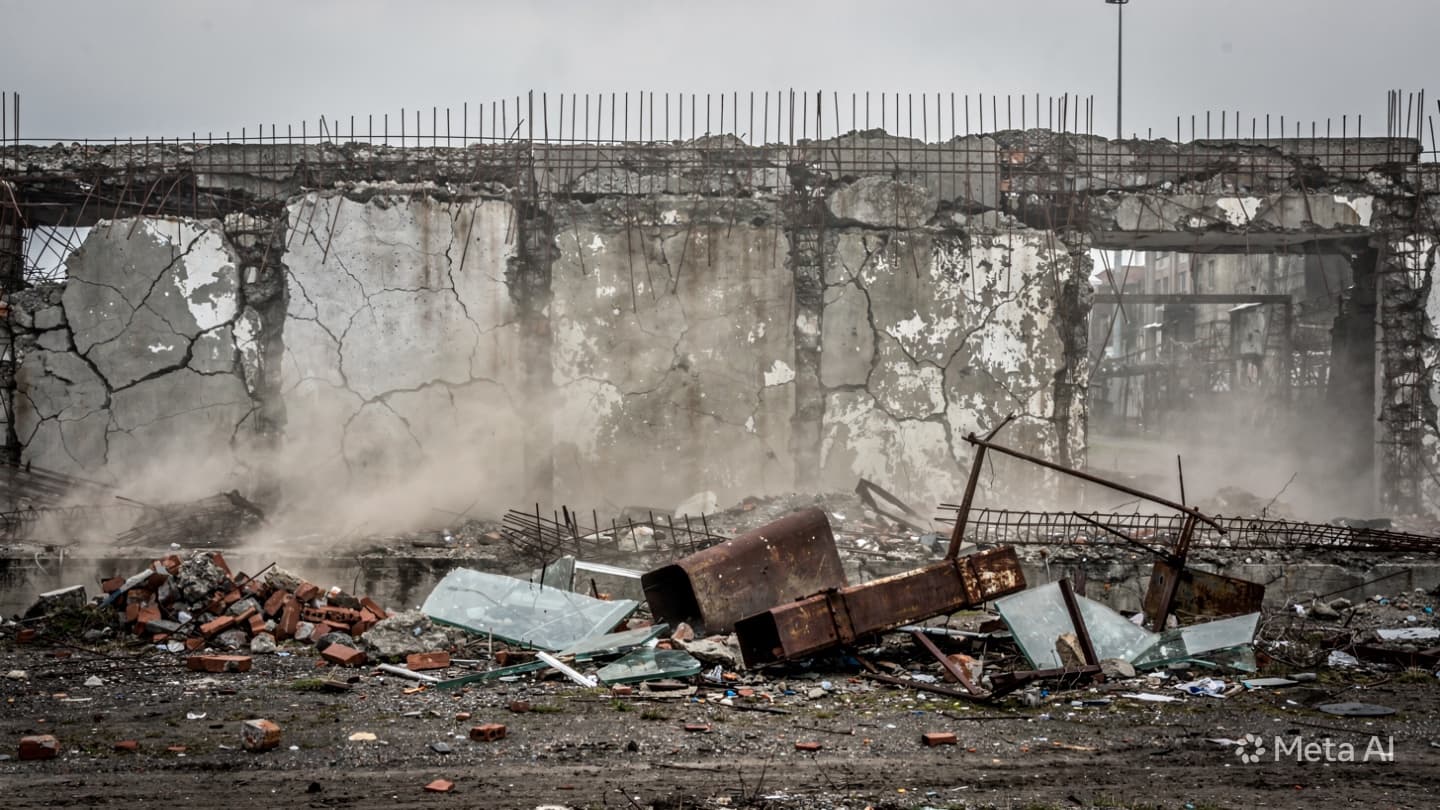
Vienna, Austria—Public health concerns are peaking following reports that damaged industrial infrastructure is releasing hazardous particulate matter directly into residential corridors. Thousands of people are reporting acute physical distress, specifically severe eye and skin irritation.
The physical state of the local industrial zones is described as catastrophic by civil engineering assessments. Blasts and lack of maintenance have compromised the integrity of facilities housing volatile chemical compounds. These materials are now leaching into the environment during every rain event or heavy wind.
Local clinics are being flooded with patients complaining of stinging eyes and painful rashes. The correlation between the structural damage and these symptoms is difficult for local health departments to ignore. Exposure seems to be highest near the industrial sites but is spreading along wind patterns.
Authorities have issued temporary advisories urging citizens to avoid open-air environments near damaged structures. However, these recommendations provide little comfort to those whose livelihoods require them to work in the vicinity. Protective gear is largely unavailable to the general public.
Government response teams have been slow to conduct a comprehensive environmental survey of the debris fields. The process of identifying the specific irritants has been plagued by missing records and lack of specialized testing equipment. The exact chemical composition of the dust remains unknown.
Field investigators have noted that the damage has left toxic materials fully exposed to the elements. Without containment, the hazardous dust will continue to settle on nearby roads, schools, and homes. Rainfall is only moving these contaminants further into the soil and local water tables.
Regional leaders are downplaying the severity of the reports, citing a lack of verified clinical data. Yet, the testimony from citizens on the ground paints a different picture of daily life. Many report that even short periods spent outside result in immediate, visible inflammation.
There is no coordination between the industrial operators and the public health sector to address the leakage. Each side is pointing fingers at the other regarding the cost of containment. Meanwhile, the structural integrity of the surrounding sites continues to decline, increasing the volume of dust release.
The situation remains stuck in a loop of corporate denial and official inaction. No remedial actions have been started at the sites. Residents are left to fend for themselves while the industrial hazards remain completely uncontained and dangerous.
Note: This article was published on BanxChange.com and is powered by the BXE Token on the XRP Ledger. For the latest articles and news, please visit BanxChange.com