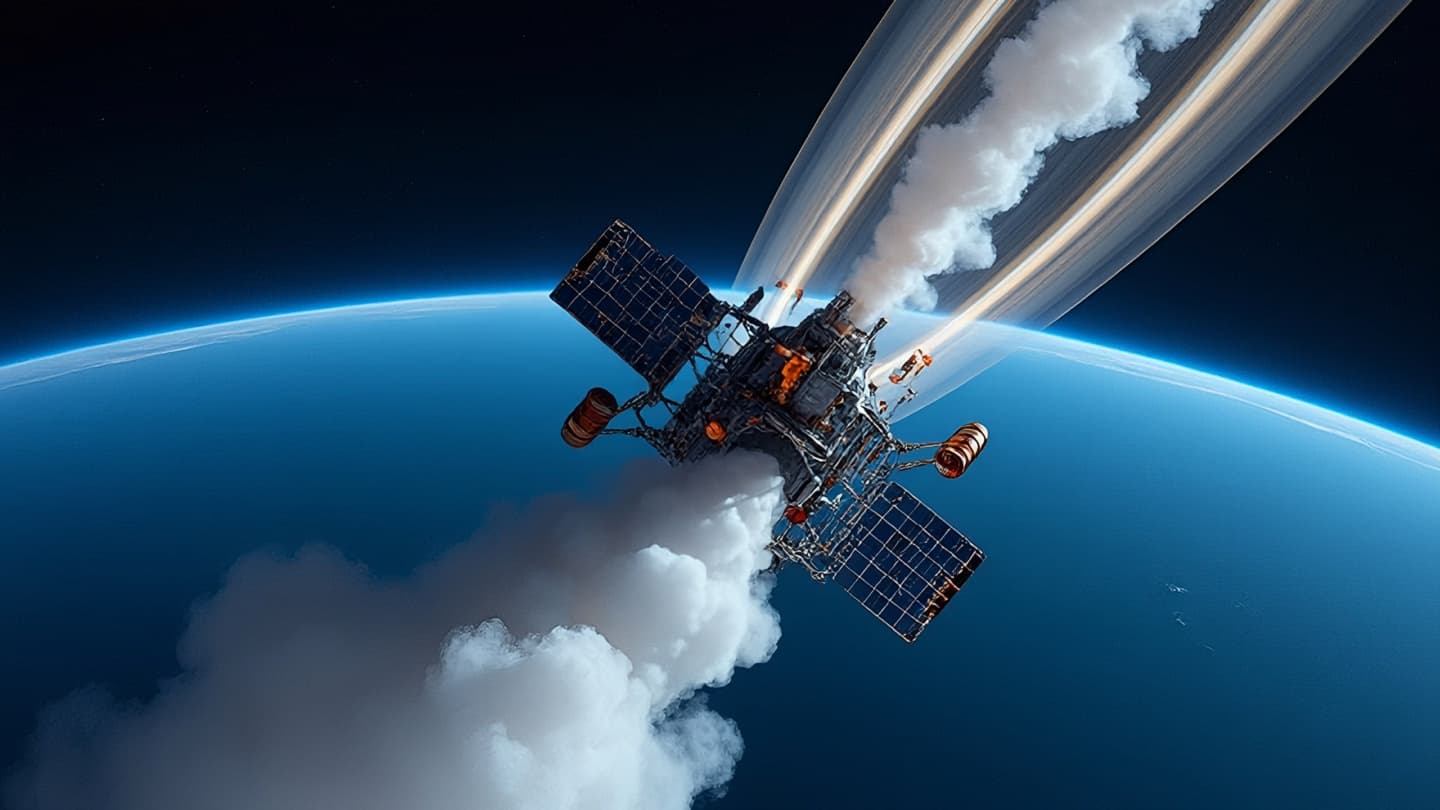
Opening: In the silent theater of the outer solar system, the Cassini spacecraft performed a ballet of discovery that lasted thirteen years. Orbiting Saturn, it revealed the ringed planet’s secrets and those of its myriad moons. But its most poignant moment came not during its years of observation, but at its end. In September 2017, Cassini was deliberately guided into Saturn’s atmosphere, where it burned up. This final act was not a failure but a carefully planned sacrifice, designed to protect Enceladus, a moon with a subsurface ocean that might harbor life. It was a gesture of planetary protection, ensuring that human curiosity did not inadvertently harm a potential alien ecosystem.
Body: Cassini’s mission was rich with revelations, but none were more tantalizing than its flybys of Enceladus. The small, icy moon ejects massive plumes of water vapor and ice particles from cracks in its southern pole. Cassini flew directly through these sprays, analyzing their composition with its onboard instruments. The data confirmed the presence of water, salts, and organic molecules, the building blocks of life. These findings transformed Enceladus from a frozen rock into a prime candidate in the search for extraterrestrial biology.
The possibility of life in Enceladus’s subsurface ocean raised ethical questions. If Cassini were to crash onto the moon, even as debris, it could introduce Earthly microbes that might survive and contaminate the pristine environment. Such contamination would compromise future scientific studies and potentially harm any native life forms. To prevent this, NASA engineers devised the "Grand Finale," a series of orbits that took Cassini between Saturn and its rings before plunging it into the gas giant’s crushing atmosphere.
The decision to destroy the probe was difficult for the scientists who had dedicated their careers to the mission. Cassini was a robust and reliable partner, capable of many more years of service. However, the principle of planetary protection took precedence. This ethic, central to space exploration, dictates that we must avoid harmful contamination of celestial bodies, especially those with potential for life. It reflects a respect for the integrity of other worlds.
The Grand Finale itself was a scientific triumph. During its final orbits, Cassini provided unprecedented data on Saturn’s rings and atmosphere. It measured the mass of the rings, studied the planet’s magnetic field, and captured stunning images of the cloud tops. The mission ended not with a whimper but with a wealth of new information, maximizing its scientific return until the very last second.
Cassini’s legacy extends beyond its data. It set a standard for responsible exploration. Future missions to icy moons, such as Europa Clipper or JUICE, will adhere to strict sterilization protocols to ensure they do not carry contaminants. The lessons learned from Cassini’s end-of-life planning are now embedded in the design and operation of next-generation spacecraft. It serves as a model for how to explore sensitively.
The story of Cassini also highlights the emotional connection between humans and their machines. For many, the probe was more than metal and circuits; it was an extension of human curiosity. Its deliberate destruction felt like a loss, but also like a noble conclusion. It reminded us that exploration involves responsibility, and that sometimes, the greatest act of discovery is knowing when to step back.
Today, Enceladus remains a target for future exploration. Concepts for landers and orbiters are being developed to study its plumes in greater detail. These missions will build on Cassini’s foundation, seeking definitive evidence of life. The path forward is paved with the care and caution exemplified by Cassini’s final moments.
Closing: The Cassini mission ended with a deliberate plunge into Saturn to protect Enceladus from contamination. This act highlighted the importance of planetary protection in the search for life. Cassini’s legacy includes both groundbreaking scientific discoveries and a commitment to ethical exploration.
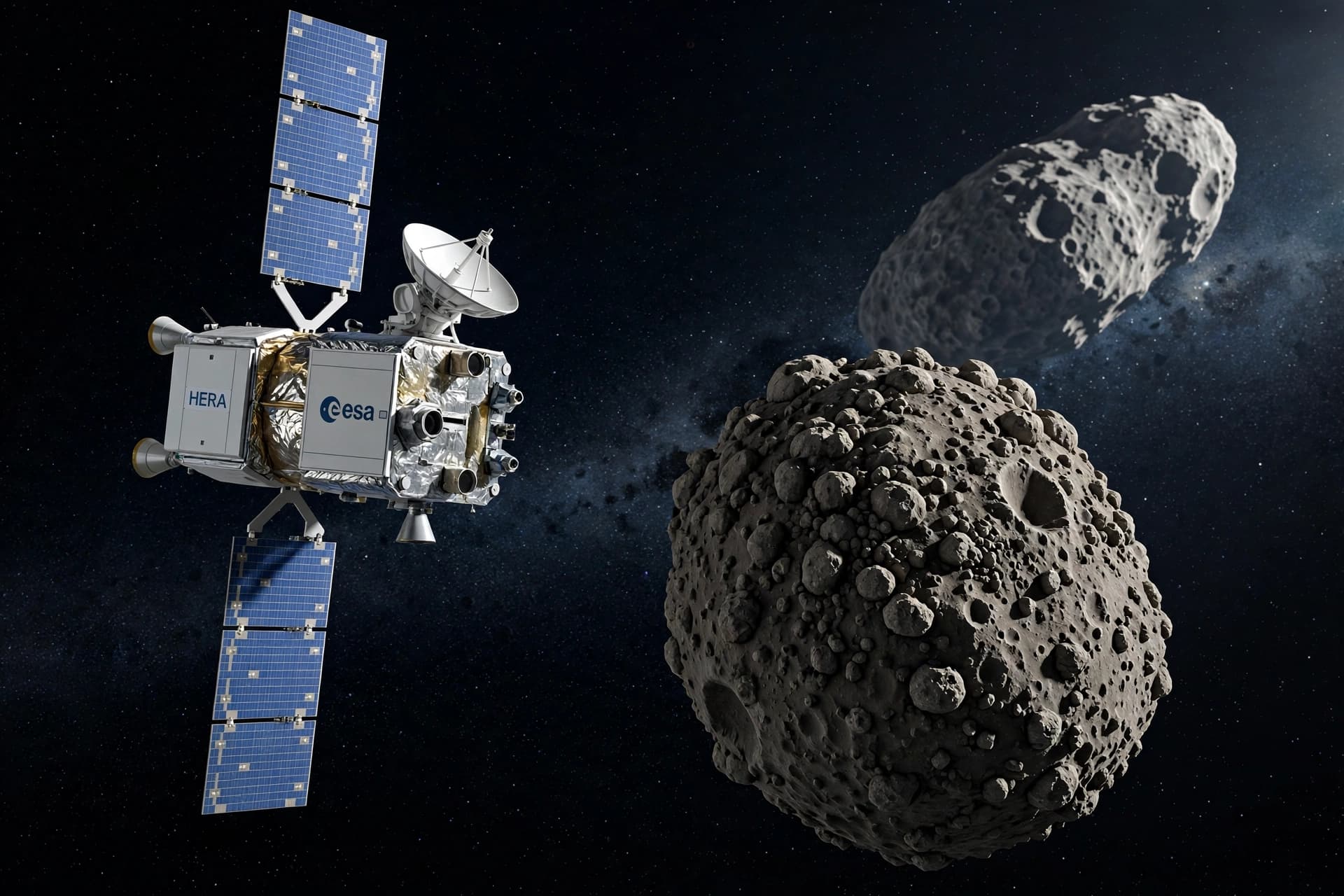
AI Image Disclaimer: The images associated with this article are AI-generated interpretations designed to visualize the context of the Cassini mission and planetary protection.
Sources: NASA Jet Propulsion Laboratory Space.com Scientific American The Planetary Society
Published by Banx Network. This article is part of the Banx decentralized media programme, powered by the BXE token on the XRP Ledger.