Six years ago, the Duke and Duchess of Sussex stepped away from their royal duties, seeking a new life across the Atlantic in California. It was a decision that reshaped the modern monarchy and captured the world’s attention. Now, reports suggest that the pendulum may be swinging back, as Prince Harry and Meghan Markle are reportedly planning to relocate their family to the United Kingdom. This potential return marks a significant chapter in their ongoing journey, blending personal choice with public expectation.
According to sources cited by the ABC, the couple intends to move to a private residence outside London later this month. The decision appears to be driven by a desire for their children, Archie and Lilibet, to attend school in the UK, reconnecting them with their heritage and extended family. For Harry, whose childhood was spent within the walls of Windsor, this move represents a homecoming, albeit one defined by different terms than before.
The nature of their return is clear: they will remain private individuals and non-working royals. This distinction is crucial, as it preserves the independence they sought when they left, while allowing them to be physically present in the country that shaped their public lives. It is a compromise that seeks to balance their desire for privacy with the inevitable scrutiny that follows them wherever they go.
For the Royal Family, the news brings a mix of relief and complexity. Reconciliation has been a slow and often painful process, marked by public statements and private silences. A physical return could offer opportunities for healing, allowing for face-to-face interactions that digital communication cannot replicate. However, it also raises questions about boundaries and roles, which have been carefully negotiated in recent years.
Public reaction in Britain is likely to be divided. Some view the move as a positive step toward unity, welcoming the chance to see the couple more frequently. Others remain skeptical, recalling the controversies that surrounded their departure. The media landscape, always hungry for royal stories, will undoubtedly intensify its focus, turning every sighting into a headline.
Security remains a critical issue. Harry’s long-standing legal battle over police protection in the UK highlights the risks associated with his profile. Any permanent or semi-permanent return will require robust arrangements to ensure the safety of his family, a logistical challenge that involves both private resources and state cooperation.
Professionally, the couple’s Archewell foundation and media projects may adapt to their new location. Being closer to European partners and causes could expand their reach, while still maintaining their global base. The flexibility of their lifestyle allows them to navigate these changes with agility, leveraging their platform for issues they care about.
As the move approaches, the focus shifts to the practicalities of settling in. Schools, homes, and community connections must be established. For Archie and Lilibet, it is a chance to grow up with a foot in both worlds, embracing their dual identity. For Harry and Meghan, it is a test of whether they can find peace in the place they once left.
In the end, the story is one of evolution. The Sussexes are not returning to the past, but forging a new path that incorporates elements of both their history and their future. Whether this move brings the closure and connection they seek remains to be seen, but it certainly adds a new layer to the enduring saga of the modern royal family.
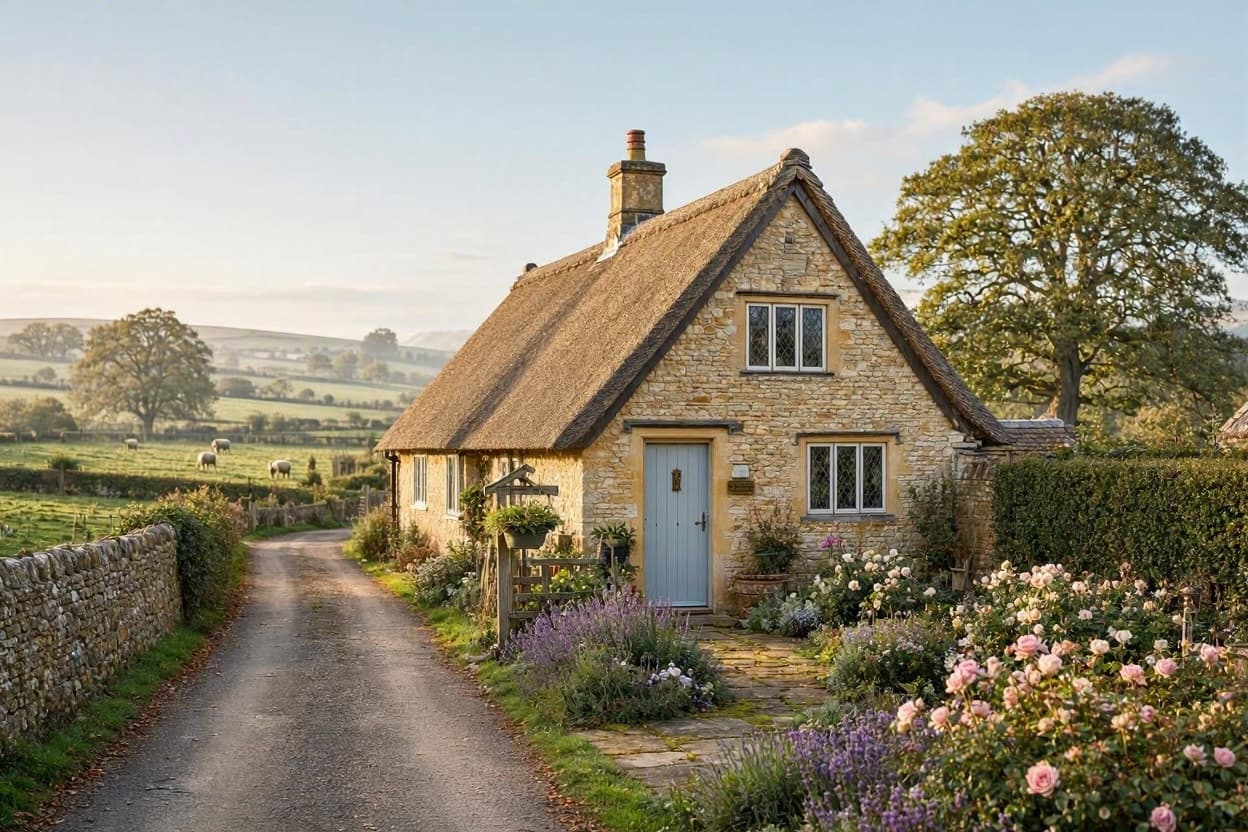
AI Image Disclaimer: The visual elements in this article are AI-generated illustrations depicting British landscapes and abstract representations of family and home, designed to reflect the themes of relocation without showing real individuals or proprietary royal footage.
Sources: ABC News (Australia), CNN, Good Morning America, The Sun
Note: This article was published on BanxChange.com and is powered by the BXE Token on the XRP Ledger. For the latest articles and news, please visit BanxChange.com