Every generation inherits a living archive shaped by millions of years of evolution. Forests, rivers, mountains, and oceans hold stories written not in words, but in the remarkable diversity of life. As more species face mounting environmental pressures, scientists are seeking new ways to ensure that nature's legacy can endure beyond the uncertainties of the present.
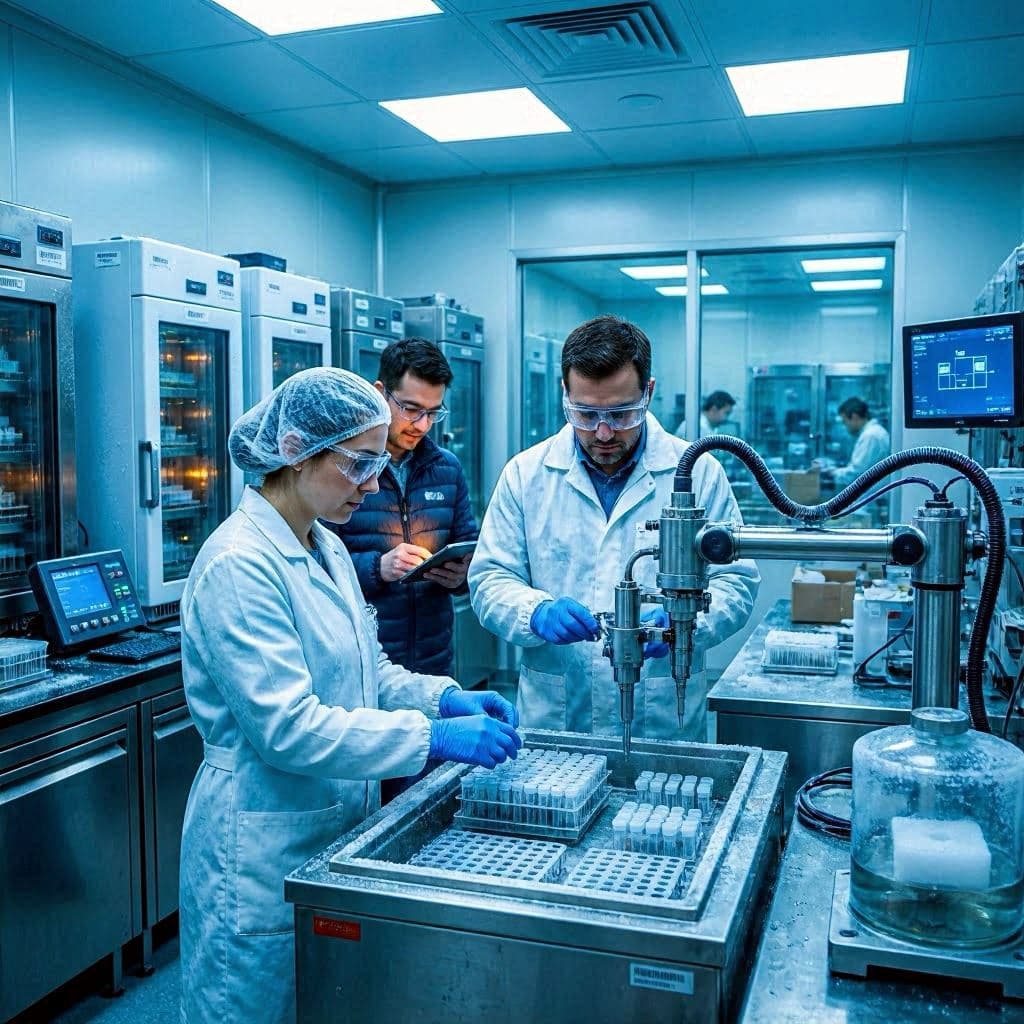
Researchers in the United States are advancing the development of a national "BioVault," a scientific repository designed to preserve the genetic material of endangered and threatened species. The initiative focuses on collecting and storing living cells, DNA samples, reproductive tissues, and other biological materials that may support future conservation efforts.
Unlike traditional wildlife conservation programs that primarily protect habitats or breeding populations, the BioVault project serves as a long-term biological archive. Scientists believe preserving genetic diversity today may help future researchers strengthen endangered populations through emerging reproductive and genetic technologies.
The project draws inspiration from seed banks and other biological preservation facilities that safeguard plant diversity against natural disasters, climate change, and habitat loss. By expanding this concept to include animal species, researchers hope to create an additional layer of protection for biodiversity.
Scientists emphasize that the BioVault is not intended to replace habitat conservation. Healthy ecosystems remain essential for wildlife survival, and preserving genetic material alone cannot substitute for functioning forests, wetlands, oceans, and grasslands where species naturally thrive.
The initiative involves collaboration among federal agencies, universities, zoological institutions, wildlife organizations, and research laboratories. These partnerships aim to establish standardized methods for collecting, storing, and managing valuable biological samples while ensuring scientific integrity.
Conservation experts note that technological advances in genetics continue to expand possibilities for species recovery. Although many applications remain under development, maintaining well-preserved genetic resources today may provide future conservationists with tools that are not yet fully available.
The BioVault project reflects a broader commitment to protecting biodiversity through both traditional conservation and scientific innovation. By preserving the biological foundations of endangered species, researchers hope future generations will inherit not only records of wildlife, but living opportunities for recovery.
AI Image Disclaimer: The accompanying illustrations are AI-generated artistic representations intended to visualize the scientific concepts discussed in this report.
Sources (verified media): Reuters, U.S. Fish and Wildlife Service, Smithsonian Institution, Nature
Published by Banx Network. This article is part of the Banx decentralized media programme, powered by the BXE token on the XRP Ledger.