
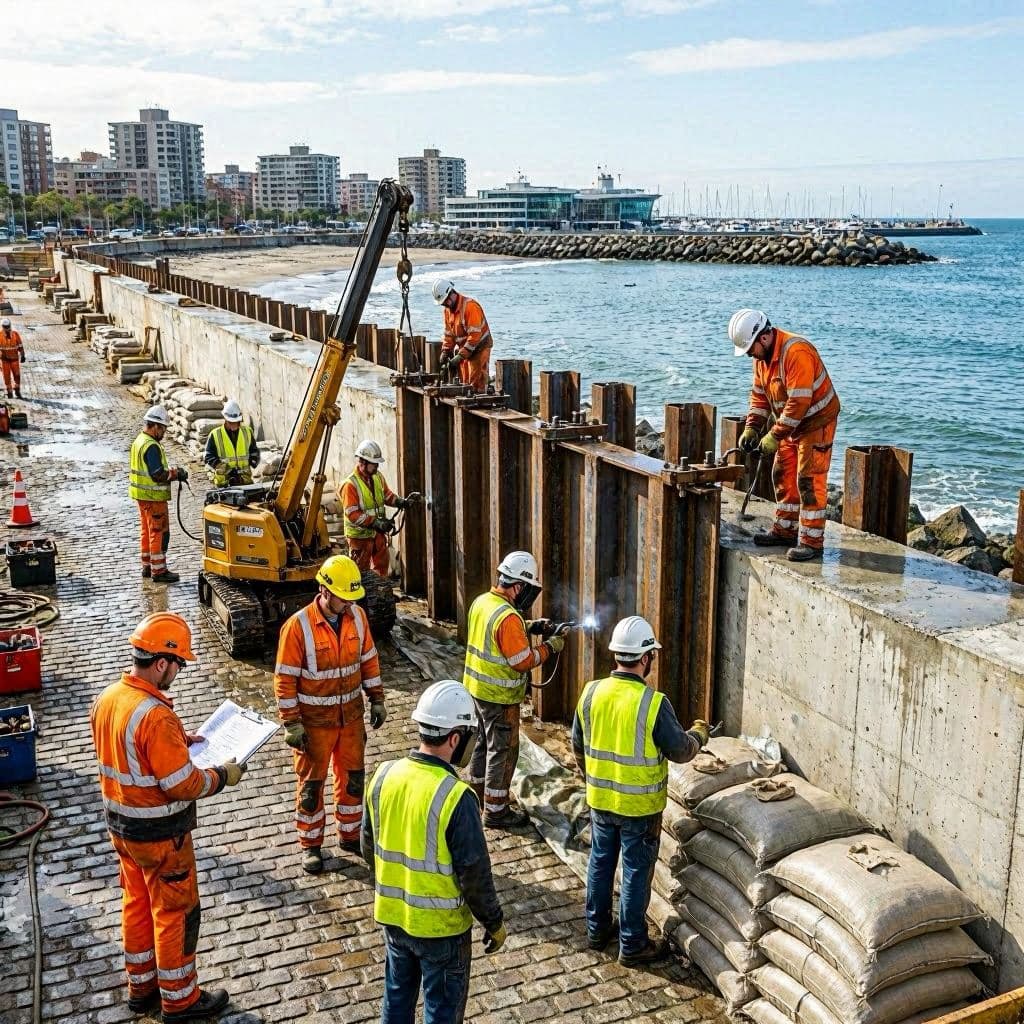
Every season tells its own story, yet nature increasingly reminds humanity that preparation matters as much as response. Around the world, governments are recognizing that adapting to changing climate conditions requires long-term planning rather than temporary solutions. The latest investments reflect a growing commitment to protecting both people and infrastructure from future risks.
Several countries have announced expanded funding for climate adaptation projects designed to improve resilience against floods, droughts, rising temperatures, and coastal erosion. These investments complement broader efforts to reduce greenhouse gas emissions while preparing communities for changing environmental conditions.
Infrastructure improvements remain a major priority. Governments are upgrading drainage systems, reinforcing flood barriers, modernizing water management facilities, and improving transportation networks capable of withstanding more frequent extreme weather events.
Agricultural sectors are also receiving increased support. Research institutions and local authorities are promoting drought-resistant crops, efficient irrigation systems, and sustainable farming practices intended to strengthen food security despite changing climate patterns.
Scientists continue emphasizing that adaptation and mitigation are complementary strategies. While reducing emissions addresses long-term climate change, adaptation measures help communities manage the impacts that are already becoming more visible across many regions.
International cooperation remains central to these efforts. Financial institutions, environmental organizations, and development agencies are expanding partnerships to provide technical expertise and funding for countries facing greater climate-related vulnerabilities.
Public awareness campaigns also play an important role. Governments are encouraging communities to understand local environmental risks, participate in disaster preparedness programs, and adopt sustainable practices that contribute to long-term resilience.
As climate conditions continue evolving, adaptation is increasingly viewed not as a temporary response but as a permanent component of national planning. Continued investment today may reduce future risks while helping communities remain safer and more resilient for generations to come.
AI-generated image disclaimer: The visual accompanying this article was created using AI for illustrative purposes and does not portray an actual scene.
Source Verification: Reuters, United Nations, Climate adaptation reports
Note: This article was published on BanxChange.com and is powered by the BXE Token on the XRP Ledger. For the latest articles and news, please visit BanxChange.com