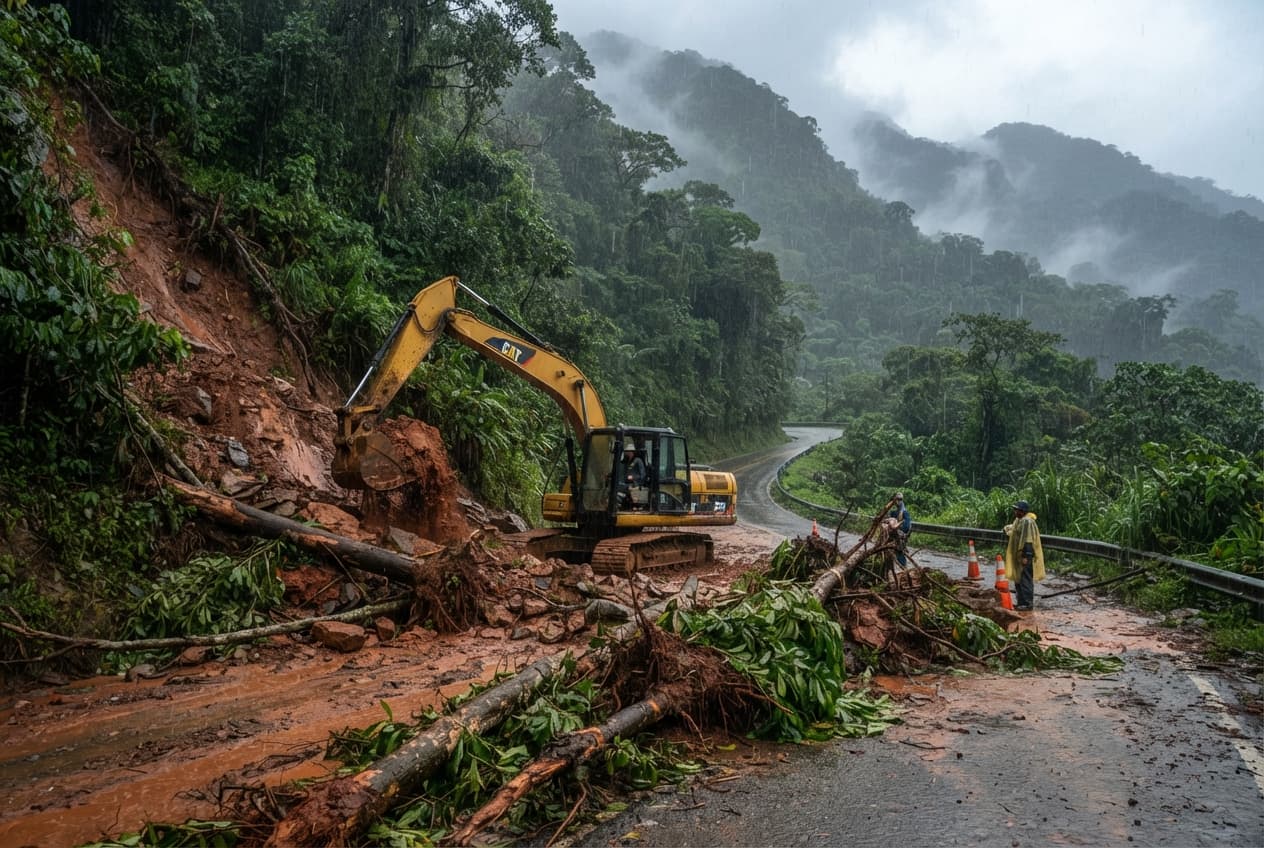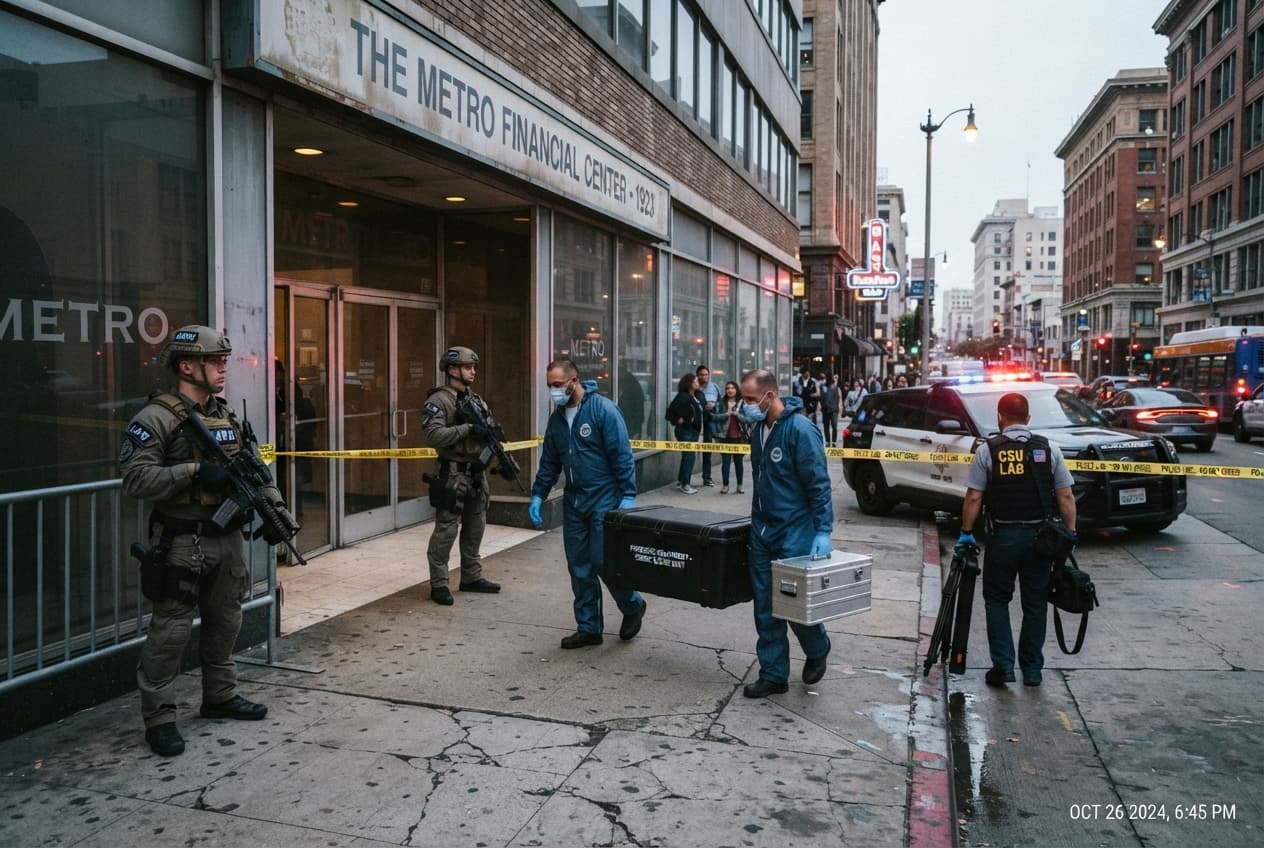
Natural disasters often arrive with little regard for schedules, borders, or expectations. A storm may form over distant waters, an earthquake may occur without warning, and a flood can transform familiar landscapes in a matter of hours. While such events cannot always be prevented, their impact can often be reduced through preparation, planning, and cooperation. This principle forms the foundation of France’s support for expanded international efforts focused on disaster risk reduction.
The concept emphasizes prevention and preparedness rather than relying solely on emergency response. By identifying risks before disasters occur, communities can implement measures designed to reduce vulnerability and improve resilience. Such strategies increasingly form part of broader development and sustainability initiatives.
France has highlighted the importance of sharing expertise, technology, and best practices among nations. Many countries face similar challenges related to extreme weather, seismic activity, or environmental hazards. International cooperation allows successful approaches to be adapted and applied in different contexts.
Early-warning systems remain one of the most effective tools available. Advances in forecasting and monitoring technologies have improved the ability of authorities to provide timely information, helping communities prepare for potential threats before they escalate into major emergencies.
Infrastructure resilience also plays a critical role. Buildings, transportation systems, and public utilities designed with disaster risks in mind can better withstand extreme events, reducing both human and economic losses. Investment in resilience is increasingly viewed as a cost-effective long-term strategy.
Climate change has intensified discussions surrounding disaster preparedness. In many regions, extreme weather events are becoming more frequent or severe, increasing the importance of adaptive planning and risk management. Governments and organizations are therefore placing greater emphasis on resilience-building measures.
International organizations continue to support initiatives aimed at strengthening preparedness at local, national, and regional levels. These efforts often involve training programs, technical assistance, and policy development designed to improve response capabilities and reduce vulnerabilities.
France’s position reflects a broader understanding that disasters are not solely humanitarian concerns. Their effects can influence economic activity, infrastructure, public health, and social stability. Effective risk reduction strategies therefore contribute to multiple development objectives simultaneously.
Observers note that preparedness often receives less attention than emergency response because its successes are less visible. When preventive measures work effectively, disasters may cause fewer disruptions, making the benefits harder to recognize. Yet these quiet successes frequently represent significant achievements.
As France advocates for stronger international cooperation, the focus remains on creating societies that are better equipped to manage uncertainty. While disasters may never be entirely avoidable, preparation and collaboration can help ensure that communities face future challenges with greater confidence and resilience.
AI IMAGE DISCLAIMER
Visuals are created with AI tools and are not real photographs.
SOURCE CHECK
United Nations Office for Disaster Risk Reduction Reuters AFP France 24 World Meteorological Organization
Published by Banx Network. This article is part of the Banx decentralized media programme, powered by the BXE token on the XRP Ledger.