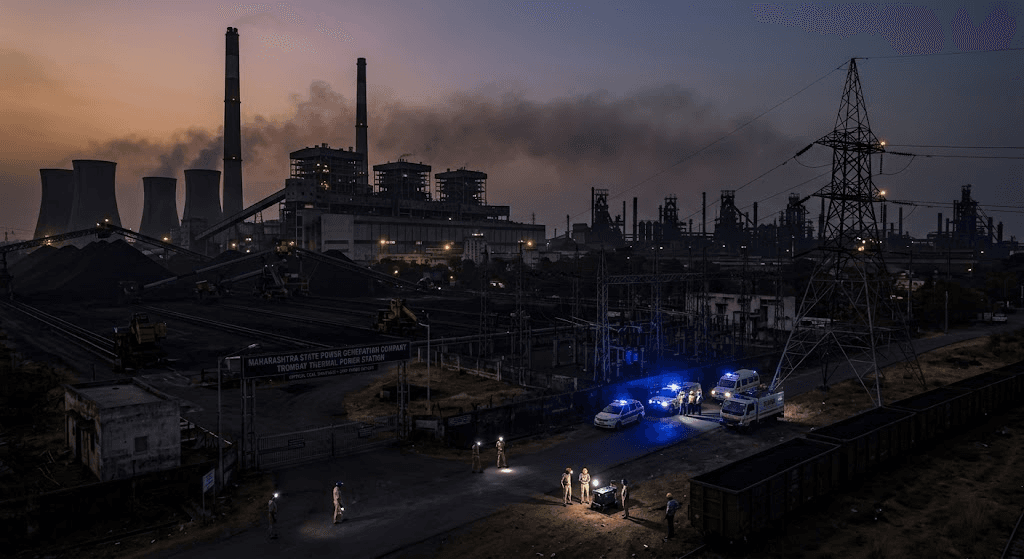
Since the dawn of the industrial age, energy has been much more than just a commodity. It is the lifeblood of modern economies, essential for transportation, industry, heating, and daily life. Because of this, the availability, price, and security of energy supplies have always played a central role in international relations, influencing policies, alliances, and even conflicts. Today, as the world continues to grow and develop, the importance of energy security has become even greater. Nations are acutely aware that their economic stability and the well-being of their citizens depend on having reliable access to the resources they need. This concern shapes many of their decisions regarding foreign policy, trade agreements, and infrastructure investment. The geography of energy creates complex relationships between producers and consumers. Countries that are rich in natural resources possess significant leverage, while those that rely heavily on imports must navigate carefully to ensure their needs are met. This interdependence encourages dialogue and cooperation, but it can also be a source of tension or competition when interests diverge. In recent times, the picture has been further complicated by the transition toward cleaner energy sources. The global effort to combat climate change is driving a shift away from fossil fuels toward renewables like solar, wind, and hydrogen. This transformation is not only changing the types of resources that are important but is also shifting the centers of economic and strategic power. Technology is also altering the landscape. Advances in extraction methods, such as shale gas, have changed the supply dynamics in certain regions. At the same time, improvements in battery storage and energy efficiency are altering how countries plan their long-term security. International cooperation remains vital in this sector. Ensuring that energy flows smoothly across borders and that markets function properly requires stable relationships and clear rules. Disruptions, whether caused by political decisions, technical failures, or conflict, can have immediate and far-reaching effects on the global economy. Looking ahead, the challenge will be to manage this transition effectively. The world needs energy systems that are not only secure and affordable but also sustainable and clean. Achieving this will require continued dialogue, investment, and innovation, as well as the ability to adapt to changing circumstances. Ultimately, energy is a unifying factor. Regardless of borders or beliefs, all nations share the need for reliable power. Recognizing this common interest can serve as a basis for cooperation, helping to build bridges rather than barriers in the international community.
Published by Banx Network. This article is part of the Banx decentralized media programme, powered by the BXE token on the XRP Ledger.