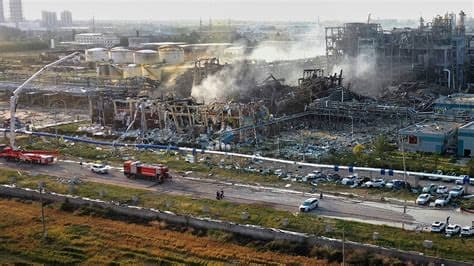
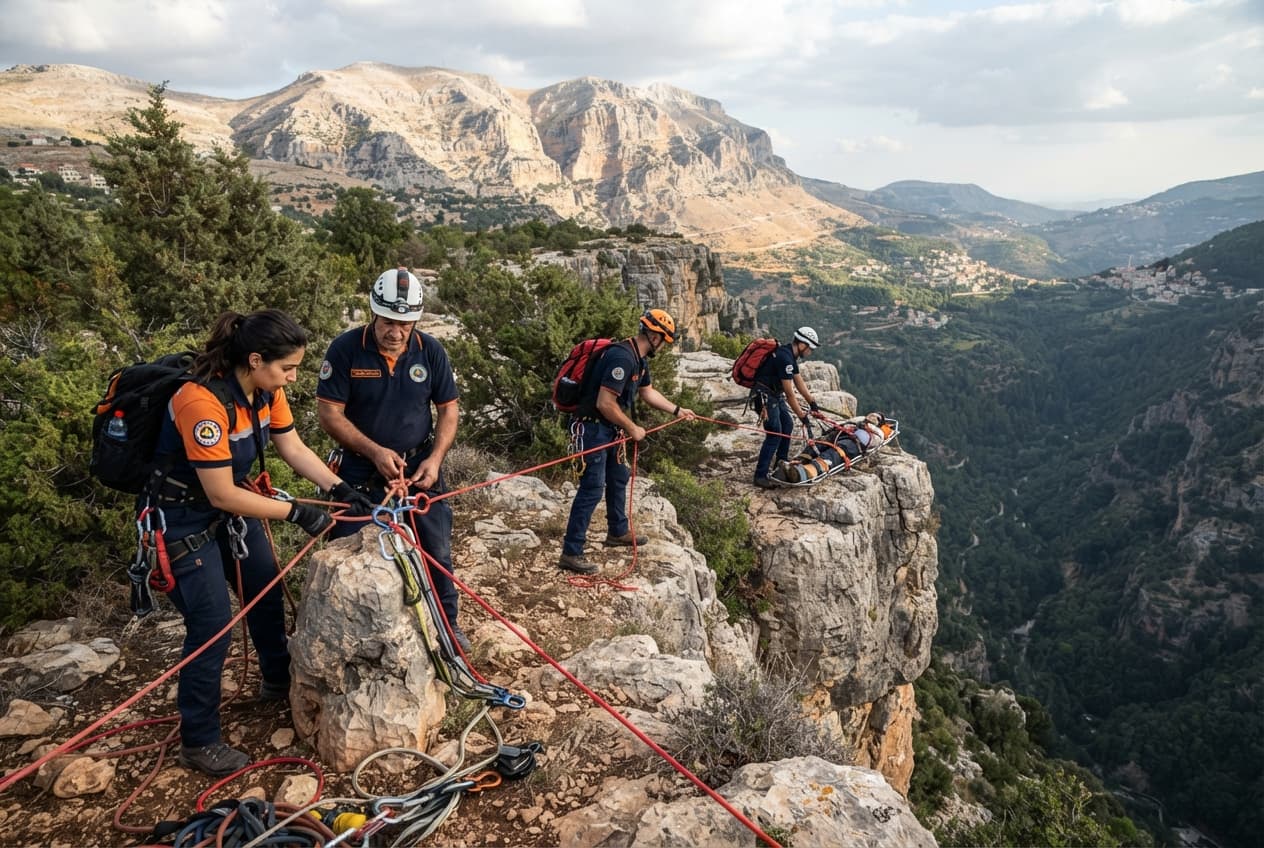
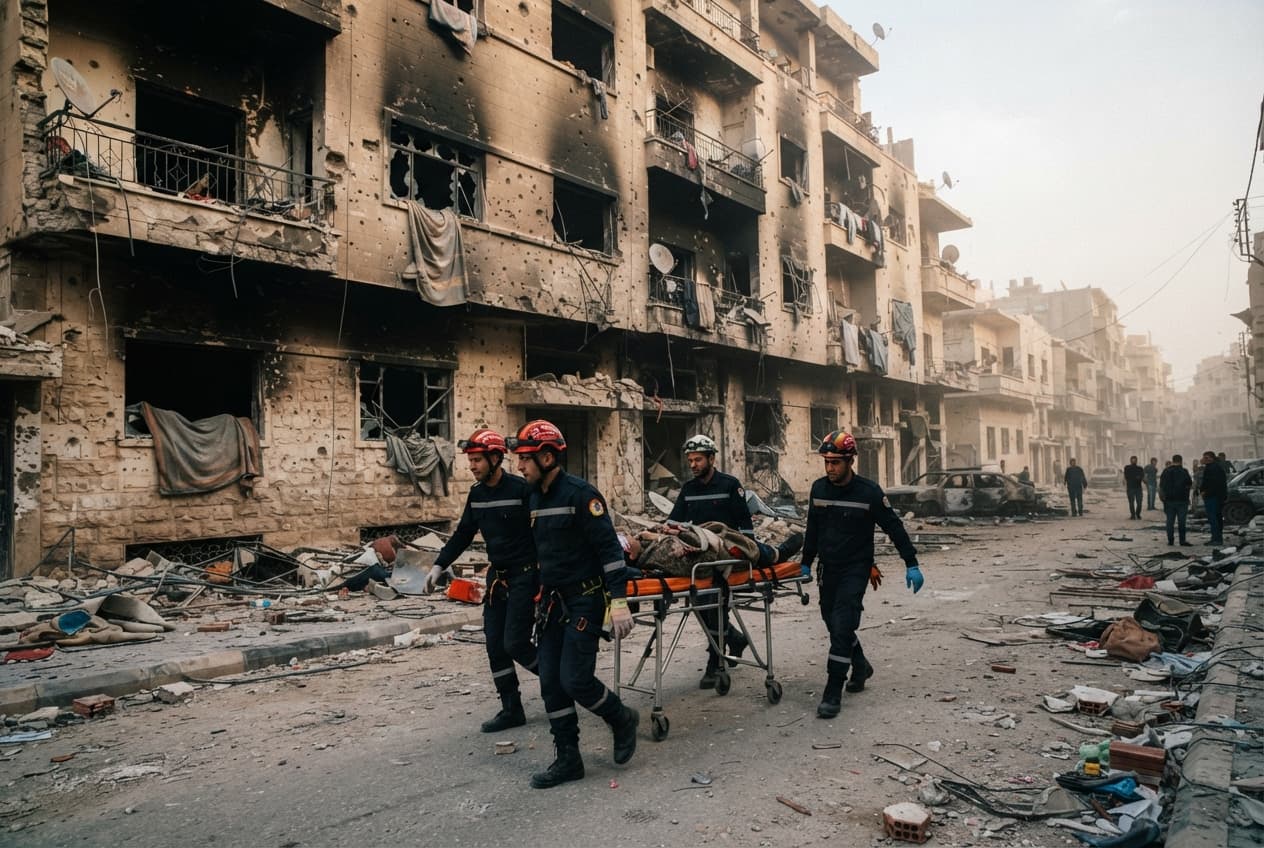
Coimbra, Portugal—A sudden shift in wind direction turned a routine containment operation into a fatal entrapment early Thursday afternoon, killing three volunteer firefighters. The crew was attempting to cut a defensive line along a ridge when a wall of fire jumped a two-lane asphalt road, cutting off their only escape route. The intense heat completely disabled their transport truck’s engine, leaving the crew trapped inside the vehicle as the firestorm swept over them.
Dozens of adjacent firefighting units rushed to the scene after receiving a frantic distress call from the vehicle's radio operator at 3:45 p.m. By the time heavy water bombers dropped retardant to clear a path through the flames, the vehicle was completely incinerated. Two other firefighters from a trailing unit suffered third-degree burns and were escalated to a specialized trauma unit in Lisbon via military helicopter.
The regional commander of the national civil protection authority delivered a brief statement to reporters at a temporary command post four kilometers from the active front. He stated that the fire expanded with extreme velocity due to dense accumulations of dry eucalyptus debris and gale-force gusts reaching seventy kilometers per hour. The crew belonged to a local humanitarian fire brigade that had been operating on the lines for fourteen straight hours.
More than eight hundred personnel, backed by twenty-two water-dropping aircraft, are currently battling the blaze, which has already consumed four thousand hectares of pine and scrub forest. Smoke from the fire has created a massive plume that is visible from the coast, prompting health officials to issue air quality warnings for several major urban centers downwind.
A forestry expert reviewing the burn maps noted that the local landscape has become highly volatile due to decades of rural abandonment. As small farms close down, unchecked brush grows right up to the edges of old stone villages, creating a continuous fuel bed that allows fires to jump between valleys with minimal resistance. This structural vulnerability has made modern fire suppression efforts increasingly dangerous.
Police cordoned off three major regional highways to prevent civilian vehicles from entering the fire zone, where smoke has reduced visibility to near zero. Several small villages scattered throughout the hills have been completely evacuated, with residents taking refuge in municipal buildings or with relatives in the lower plains.
The prime minister issued a statement of condolence from the capital, praising the bravery of the fallen volunteers and promising a full review of operational safety protocols. The tragedy has reignited an intense public debate regarding the heavy reliance on unpaid volunteer crews to handle increasingly severe fire seasons across southern Europe.
Investigators from the judicial police arrived at the site where the truck was overrun to determine if a breakdown in the command communication network contributed to the tragedy. Initial reports indicate that the crew may not have received the urgent evacuation order broadcast ten minutes before the flames jumped the road.
Crews are currently trying to establish a wide dirt barrier using heavy bulldozers ahead of a major pine plantation to the north. The work is a race against time, as weather forecasts predict that the intense wind gusts will continue to fan the flames well into Friday morning.
Published by Banx Network. This article is part of the Banx decentralized media programme, powered by the BXE token on the XRP Ledger.