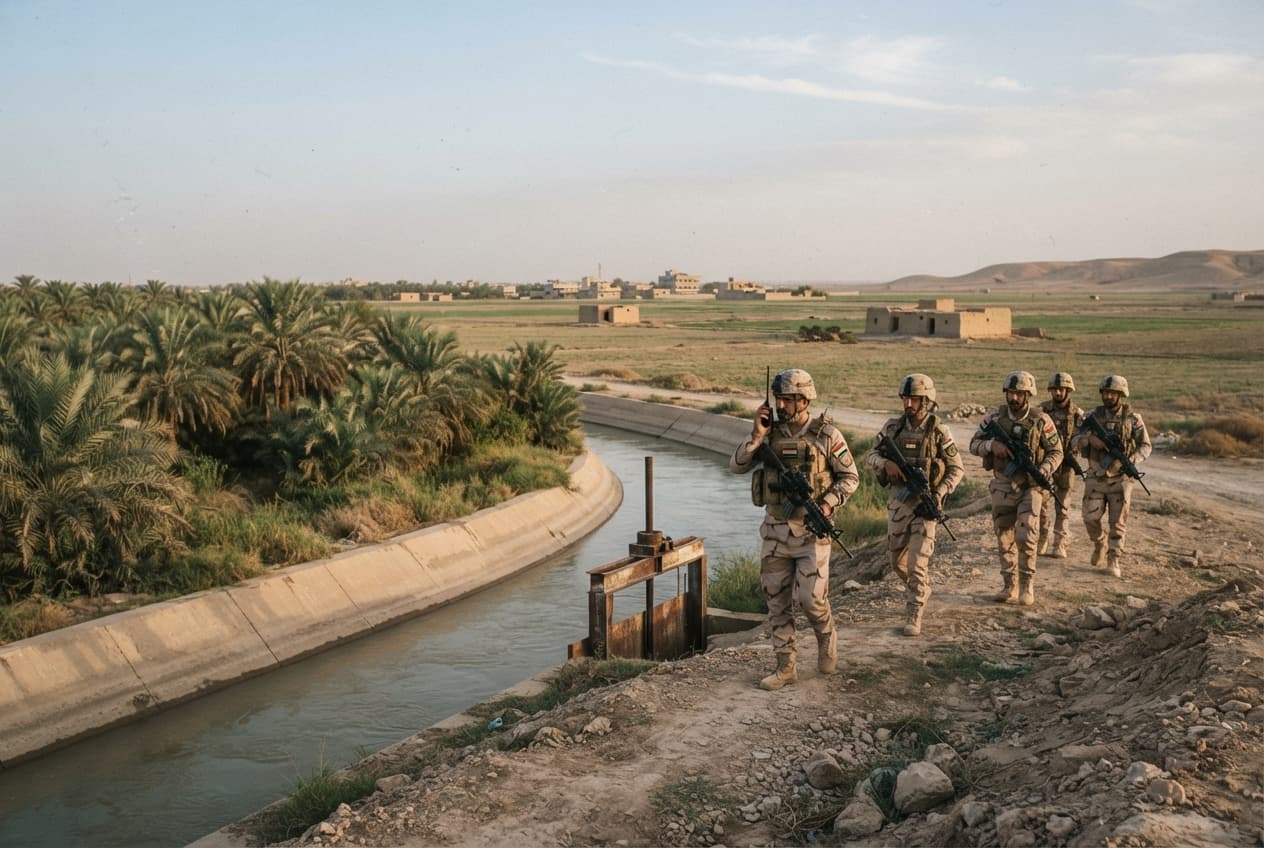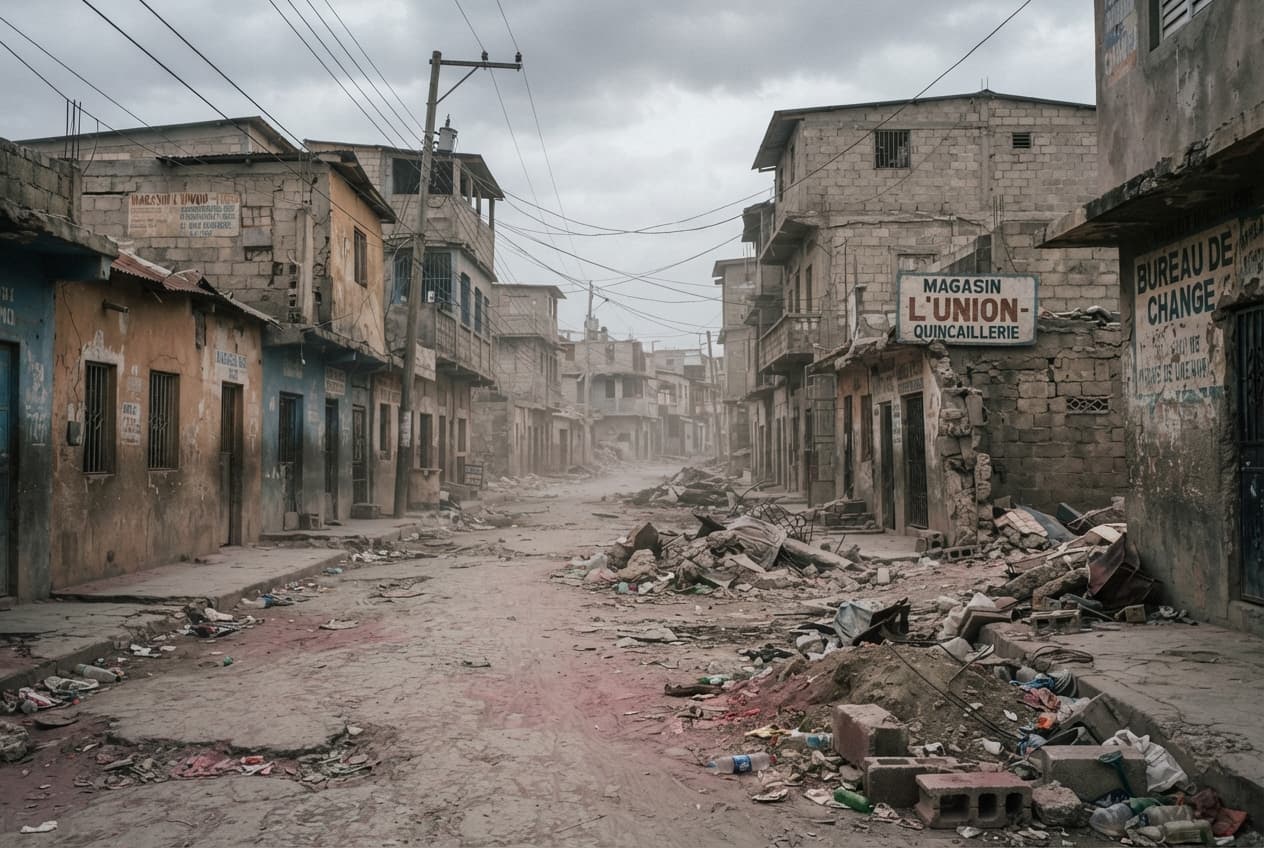
Port-au-Prince, Haiti—Gunfire echoed across the northern perimeter of the capital through the morning hours, shattering what little routine remained for residents trapped in contested neighborhoods. Seven non-combatants lay dead by midday, caught in the crossfire of overlapping territorial disputes involving heavily armed neighborhood coalitions. Local medical outposts reported an influx of trauma cases as emergency transport struggled to navigate blocked thoroughfares. State security forces remained largely contained to fortified perimeters, unable to project reliable order into the arterial streets.
Territorial control shifted rapidly as rival factions pushed deeper into residential sectors historically shielded from frontline skirmishes. Witnesses described automatic weapon fire sweeping through crowded residential blocks without warning. Families barricaded themselves indoors while stray projectiles pierced tin roofs and concrete walls alike. Ambulances faced deliberate delays at makeshift checkpoints erected by armed youth guarding the perimeter boundaries.
The escalation underscores the expanding operational reach of criminal networks operating with virtual impunity across the metropolitan zone. Intelligence assessments indicate that coordinated incursions are designed to consolidate supply routes connecting the capital's interior to coastal sectors. State infrastructure remains paralyzed, with municipal services unable to clear debris or restore basic utilities to neighborhoods gripped by the fighting. Local authorities have offered few details regarding tactical countermeasures, citing severe logistical constraints.
Humanitarian agencies operating within the urban core warned that ongoing hostilities threaten to sever the last functional distribution networks for food and medicine. Thousands of residents have abandoned their homes in search of temporary shelter inside makeshift camps hastily established in public squares. Relief workers note that medical facilities near the conflict zones are operating beyond capacity, facing critical shortages of surgical supplies and blood plasma. International observers continue to document widespread displacement, yet concrete protection measures from state authorities remain absent.
The victims included daily wage earners and market vendors who failed to evacuate before the shooting started. Neighborhood committees attempted to negotiate brief truces to recover bodies left exposed on open streets, but sniper fire routinely interrupted recovery efforts. Police commanders on the ground admitted they lack the personnel and heavy equipment required to dislodge entrenched fighters from elevated positions. The absence of judicial oversight has left local populations entirely vulnerable to the shifting whims of armed militia leaders.
As afternoon gave way to dusk, sporadic bursts of automatic gunfire continued to ripple across the valley, signaling that the engagement had settled into a protracted standoff. Fear paralyzed commercial life entirely, shuttering markets and paralyzing public transportation networks across the northern districts. Officials confirmed that investigative teams cannot access the hardest-hit zones until security guarantees are established. The immediate trajectory points toward deeper destabilization as rival commanders vie for absolute dominance over the fractured urban landscape.
Note: This article was published on BanxChange.com and is powered by the BXE Token on the XRP Ledger. For the latest articles and news, please visit BanxChange.com