In the grand tradition of the papacy, where words carry weight across continents and centuries, Pope Leo has issued a heartfelt call for dialogue in the face of global conflict. Speaking to a gathering of faithful and leaders, he emphasized the power of conversation over confrontation, urging nations to seek peace through understanding rather than force. His message, delivered with characteristic warmth and wisdom, serves as a moral compass in a world often divided by strife and misunderstanding.
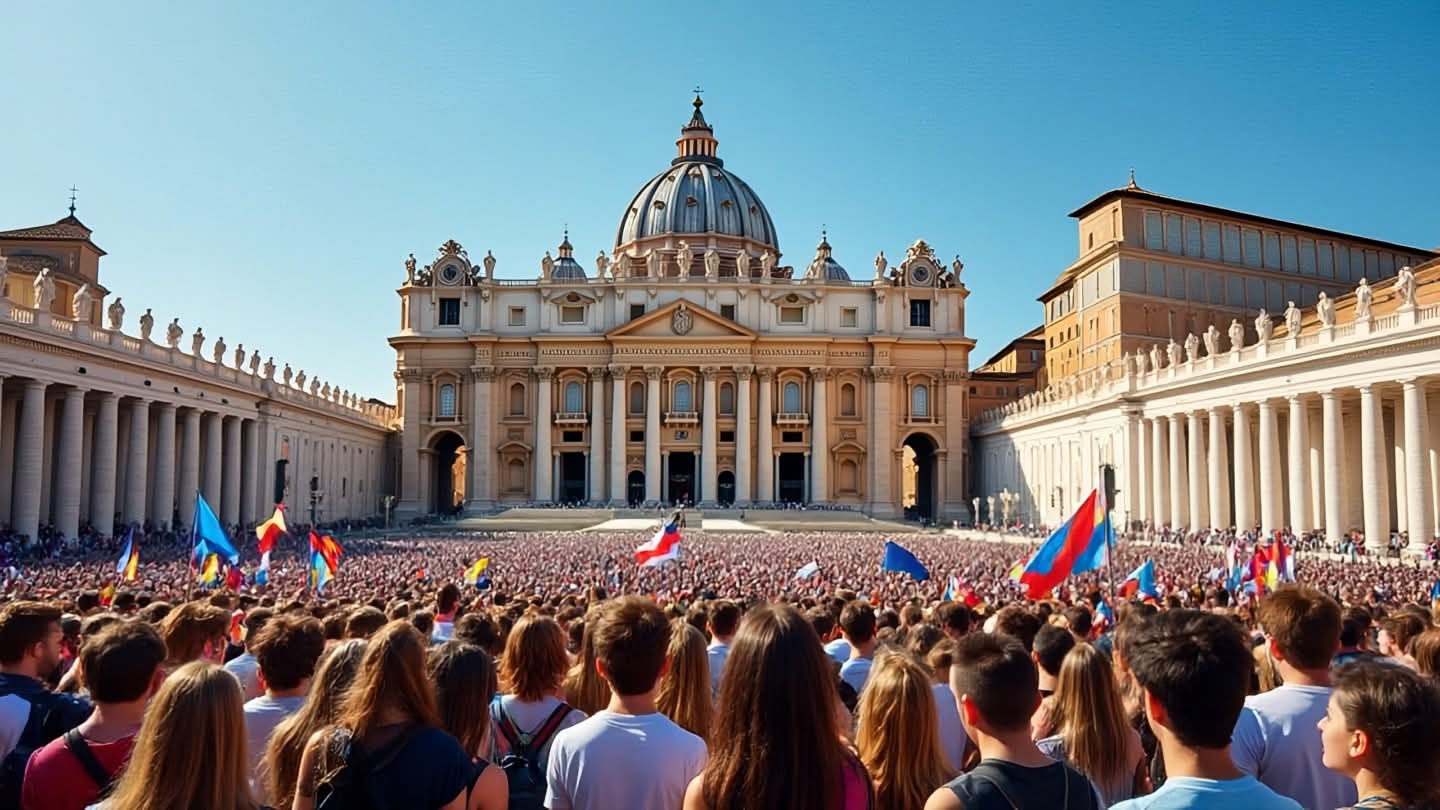
Central to his address was a tribute to the youth of the Catholic Church. Pope Leo described young Catholics as a "sign of hope," praising their energy, compassion, and commitment to justice. He noted that their enthusiasm for faith and service offers a refreshing perspective on old problems, suggesting that the future of the Church and the world lies in their hands. This endorsement is not just spiritual but social, recognizing the vital role of young people in shaping a more peaceful society.
The Pope’s call for dialogue comes at a time when several regions are engulfed in violence. From Europe to the Middle East, conflicts continue to cause suffering and displacement. By advocating for diplomatic solutions, Pope Leo aligns the Vatican with broader international efforts to de-escalate tensions. He reminds leaders that true strength lies not in military might but in the ability to listen and compromise. It is a gentle but firm reminder of the human cost of war.
For the Catholic community, the message is both inspiring and challenging. It invites believers to engage actively in peacebuilding, whether through local community service or global advocacy. Young Catholics, in particular, are encouraged to use their voices and talents to bridge divides. Their involvement can bring new ideas and energy to longstanding issues, fostering a culture of respect and cooperation.
The reaction from political and religious leaders has been largely positive. Many have echoed the Pope’s sentiments, acknowledging the need for renewed diplomatic efforts. While practical implementation remains complex, the moral authority of the papacy adds weight to the call for peace. It creates a space for reflection, encouraging stakeholders to consider alternatives to violence. This soft power is a unique asset in international relations.
Education and formation are key to sustaining this hope. The Church continues to invest in programs that teach young people about social justice, intercultural dialogue, and conflict resolution. These initiatives empower them to become agents of change in their communities. By nurturing these values, the Church contributes to a broader culture of peace that extends beyond its own membership.
Critics may argue that words alone cannot stop wars, but supporters believe that moral leadership is essential for long-term change. Pope Leo’s emphasis on dialogue does not ignore the realities of power but seeks to transform how it is used. It is a vision of politics rooted in ethics and humanity, offering a path forward that prioritizes dignity and respect.
In the end, the Pope’s message is a beacon of optimism. It reminds us that even in dark times, hope persists, often carried by the young. For the world, it is an invitation to choose conversation over conflict. For the faithful, it is a call to action, to live out their values in ways that promote peace and understanding. The journey is long, but the direction is clear.
AI Image Disclaimer: Visuals in this article are AI-generated illustrations of Vatican architecture and abstract representations of dialogue and youth, designed to visualize the theme of papal advocacy without depicting real proprietary images of the Pope or specific political figures.
Sources: Vatican News, Reuters, Catholic News Agency, Euronews
Note: This article was published on BanxChange.com and is powered by the BXE Token on the XRP Ledger. For the latest articles and news, please visit BanxChange.com