Opening: There is a quiet magic in looking up, a moment when the distractions of the day fade and the vastness of the universe comes into focus. This week, the night sky offers a particularly generous display, inviting observers to witness the luminous band of the Milky Way alongside several bright planets. It is a reminder that above our busy lives, a cosmic ballet continues, indifferent to our schedules yet always available to those who take the time to watch. The convergence of celestial bodies creates a spectacle that is both timeless and immediate.
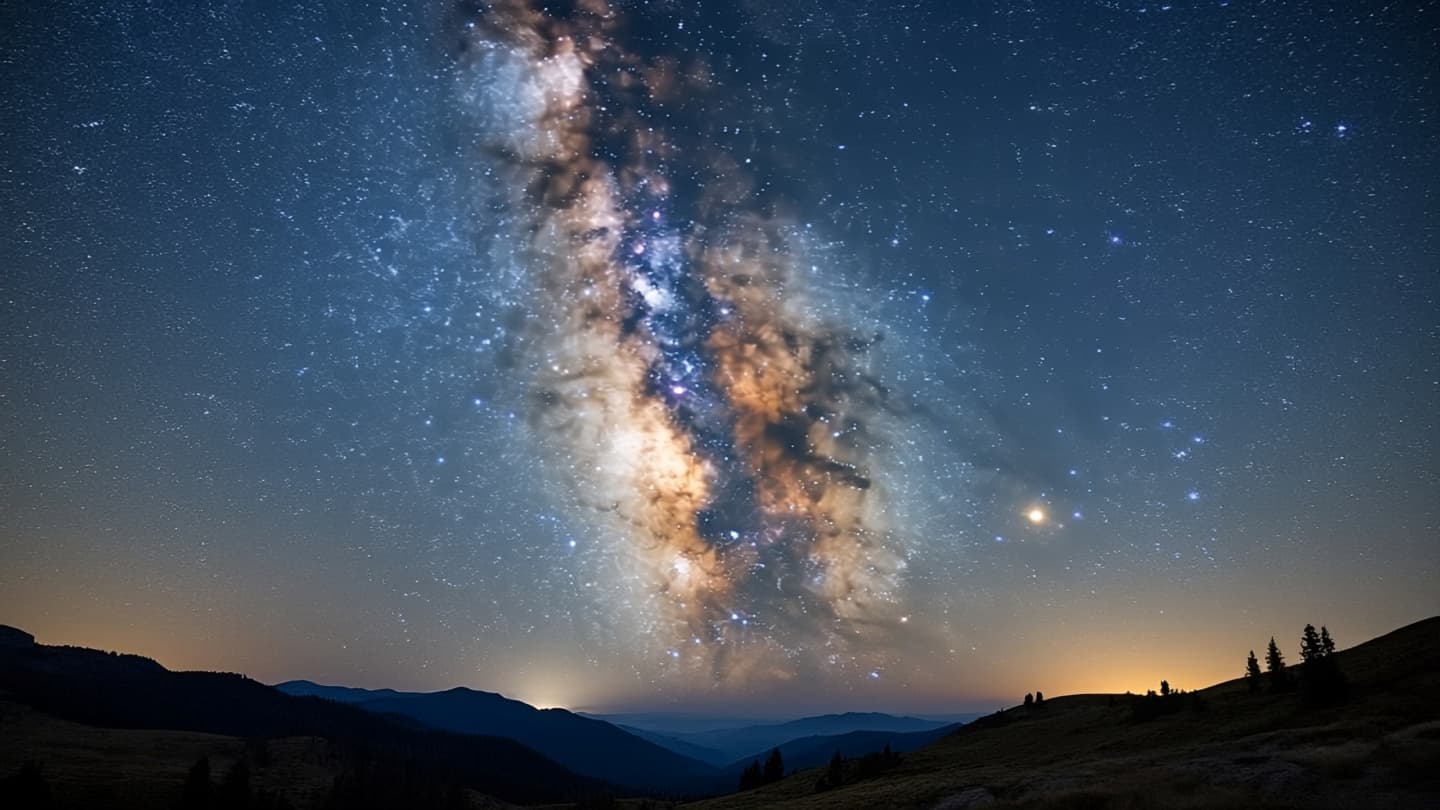
Body: The Milky Way, our home galaxy, appears as a dense river of stars stretching across the sky. Its visibility depends heavily on location and light pollution. In dark rural areas, away from city lights, the galactic core rises prominently, revealing intricate details of dust lanes and star clusters. For urban dwellers, finding a dark spot may require a short journey, but the reward is a view that connects us to the grand structure of our cosmic neighborhood.
Alongside the galaxy, several planets will be visible to the naked eye. Jupiter, often the brightest object in the night sky after the moon, will shine with a steady, white light. Saturn, with its golden hue, will also be prominent, offering a distinct contrast to the twinkling stars. These planets do not twinkle because they are closer and appear as disks rather than points of light, making them easy to identify for novice stargazers.
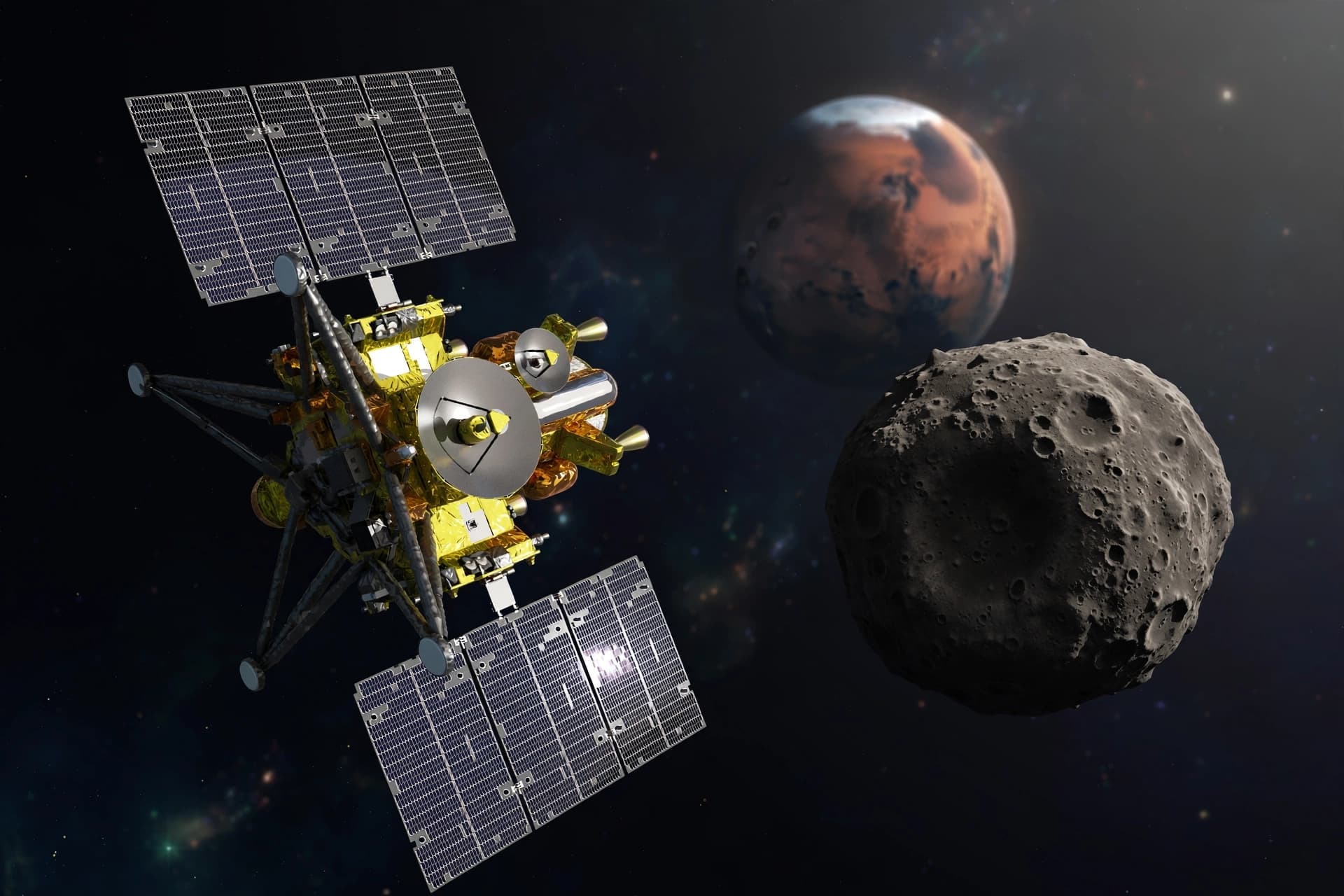
Mars may also make an appearance, depending on the specific time and location. Its reddish tint is unmistakable, earning it the name of the Roman god of war. Observing these planets in conjunction with the Milky Way provides a sense of scale, reminding us of our place within the solar system and the galaxy beyond. It is a perspective that inspires humility and wonder.
Timing is crucial for the best viewing experience. The hours after midnight, when the sky is darkest and the galactic core is highest, offer the optimal window. Moonlight can wash out fainter stars, so checking the lunar phase is important. A new moon or crescent moon provides the darkest skies, allowing the faintest details of the Milky Way to emerge.
Equipment can enhance the experience, but it is not necessary. Binoculars can reveal more stars and some deep-sky objects, while telescopes offer detailed views of planetary features. However, the naked eye is sufficient to appreciate the grandeur of the scene. The simplicity of looking up requires no technology, only attention and patience.
Weather plays a significant role. Clear skies are essential, so checking local forecasts is advisable. Humidity and atmospheric stability also affect visibility. Finding a location with an unobstructed view of the horizon, particularly toward the south where the galactic core rises, will maximize the viewing potential.
Community events, such as star parties organized by local astronomy clubs, can provide guidance and shared enthusiasm. These gatherings offer a chance to learn from experienced observers and share the joy of discovery. Stargazing is often a social activity, fostering connections among people who share a love for the night sky.
Closing: This week offers an excellent opportunity to view the Milky Way and several bright planets, including Jupiter and Saturn. With clear skies and minimal light pollution, observers can enjoy a stunning display of our galaxy and solar system. It is a perfect time to reconnect with the natural beauty of the night sky.
AI Image Disclaimer: Please be aware that the visual aids in this piece are AI-generated interpretations designed to support the narrative of astronomical observation.
Sources: EarthSky Time and Date NASA Night Sky Network StarWalk
Published by Banx Network. This article is part of the Banx decentralized media programme, powered by the BXE token on the XRP Ledger.