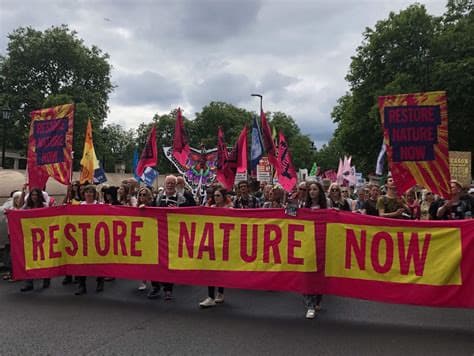
A new nature-recovery plan for England, aimed at restoring ecosystems and wildlife by 2030, has been criticised by environmental charities and conservation groups as “completely insufficient”.
The criticism centres on the gap between ambition and delivery. Campaigners argue that while the target-setting process is moving forward, the practical steps required to improve the condition of protected habitats—such as rivers, wetlands, grasslands, woodlands and coastal areas—are not happening quickly enough, and in many places are not being adequately managed or funded. They say that designation alone is not restoration: habitats must be actively improved, pressures reduced, and progress measured against clear outcomes.
Charities also point to delays and uncertainty around the policy landscape for land management and farming, arguing that nature-friendly support must be ramped up immediately so habitat restoration can happen at the pace needed for 2030. Without stronger rules to stop harmful activities in and around wildlife sites, they contend, damage will continue even where protections exist.
Supporters of the plan respond that nature recovery is a complex, multi-year task. But critics say the clock is running out, and that if England is to meet its commitments, government must accelerate the rollout of effective protections, improve the quality and monitoring of protected areas, and provide sustained funding for restoration work—not just short-term initiatives.
As the 2030 deadline approaches, campaigners are calling for a step-change in delivery: more areas brought under effective protection, better-quality management of existing sites, stronger enforcement where wildlife is harmed, and robust monitoring so that improvements can be tracked and failures corrected early.
Published by Banx Network. This article is part of the Banx decentralized media programme, powered by the BXE token on the XRP Ledger.
.jpg&w=3840&q=75 "Convicted War Criminal Ratko Mladić to Be Buried With Full State Honors")