
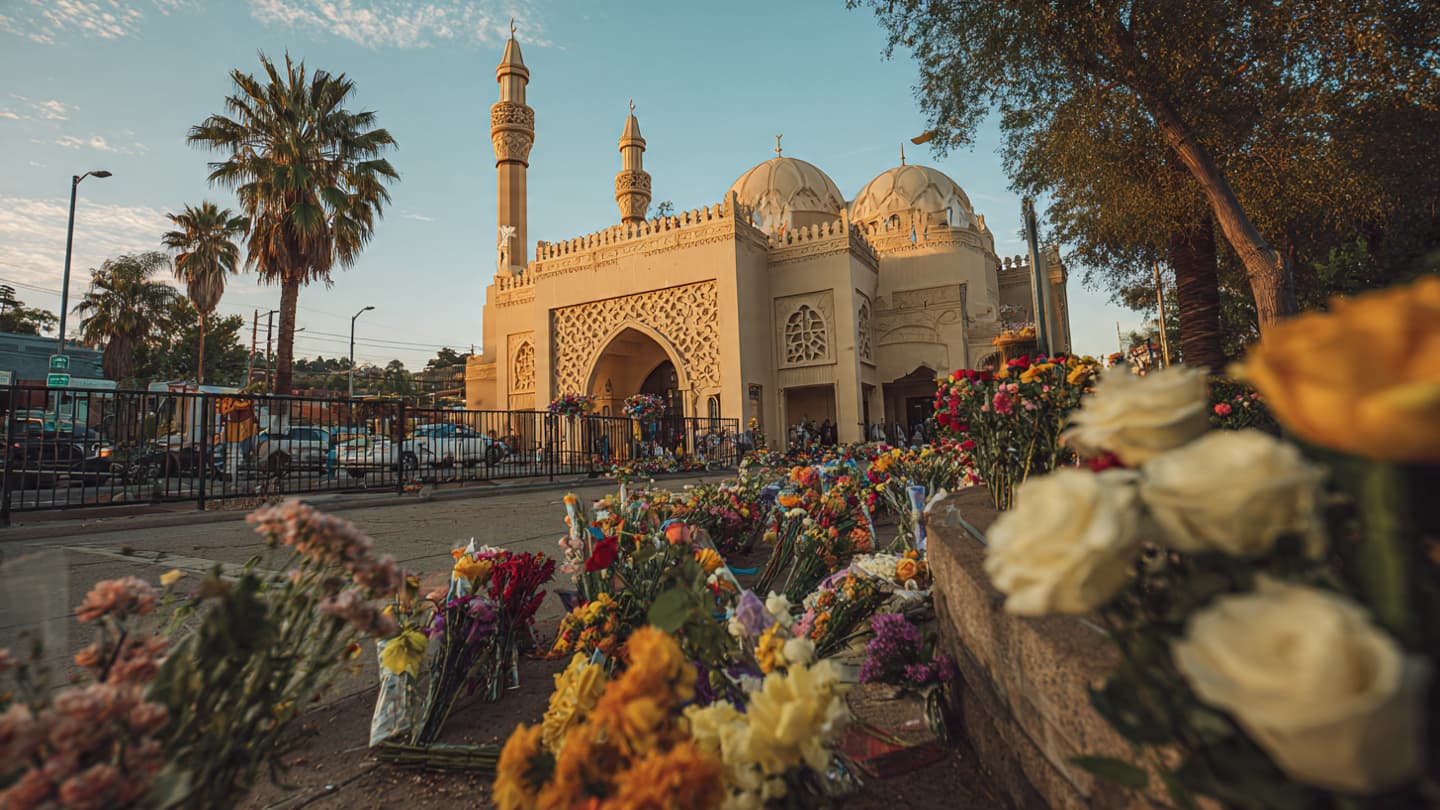
Communities often gather in places of worship seeking quiet, reflection, and safety from the turbulence of the outside world. When violence enters those spaces, the shock extends far beyond physical damage, touching questions about security, extremism, and institutional prevention. Those concerns resurfaced after reports revealed that one of the shooters involved in a deadly attack at a San Diego mosque had previously been flagged by the FBI.
The revelation has intensified scrutiny over how warning signs are assessed and monitored by federal law enforcement agencies. Investigators are examining what information was previously available, how it was evaluated, and whether additional intervention could have occurred before the attack unfolded.
The San Diego mosque attack remains deeply painful for local Muslim communities and residents who remember the violence as a direct assault on both public safety and religious freedom. Such incidents often leave enduring emotional effects that continue long after investigations conclude.
Federal agencies including the FBI regularly receive thousands of tips, reports, and intelligence leads involving potential threats. Security experts note that determining which individuals may eventually act violently remains one of the most difficult challenges in counterterrorism and domestic extremism prevention.
Civil liberties concerns also complicate preventative monitoring efforts. Authorities must balance public safety responsibilities with constitutional protections involving speech, association, and due process, particularly in cases where evidence remains incomplete or inconclusive.
Religious institutions across the United States have increasingly expanded security measures in response to fears surrounding hate crimes and extremist violence. Many houses of worship now coordinate closely with local law enforcement and community organizations.
The case also highlights the broader rise in concern over domestic extremism in recent years. Researchers and federal officials have repeatedly warned that online radicalization, ideological polarization, and conspiracy-driven communities can contribute to violent behavior.
Community leaders in San Diego emphasized the importance of solidarity and continued dialogue following renewed attention surrounding the case. Interfaith organizations and local residents have often responded to such tragedies by promoting collective healing and public support initiatives.
As investigators continue reviewing the history surrounding the suspect, the case underscores the ongoing challenge facing security agencies nationwide: identifying credible threats early enough to prevent violence while preserving the legal and constitutional boundaries central to democratic society.
AI Image Disclaimer: Some visuals associated with this article were generated using AI-supported illustration systems.
Sources: Reuters, Associated Press, NBC News, The San Diego Union-Tribune
Note: This article was published on BanxChange.com and is powered by the BXE Token on the XRP Ledger. For the latest articles and news, please visit BanxChange.com