

Key Highlights
- Framework Development:The Philippines is advancing a framework for real-world asset tokenization.
- Financial Innovation:This initiative aims to enhance financial accessibility and efficiency.
- Global Trends:Tokenization is rapidly growing in the digital asset sector worldwide.
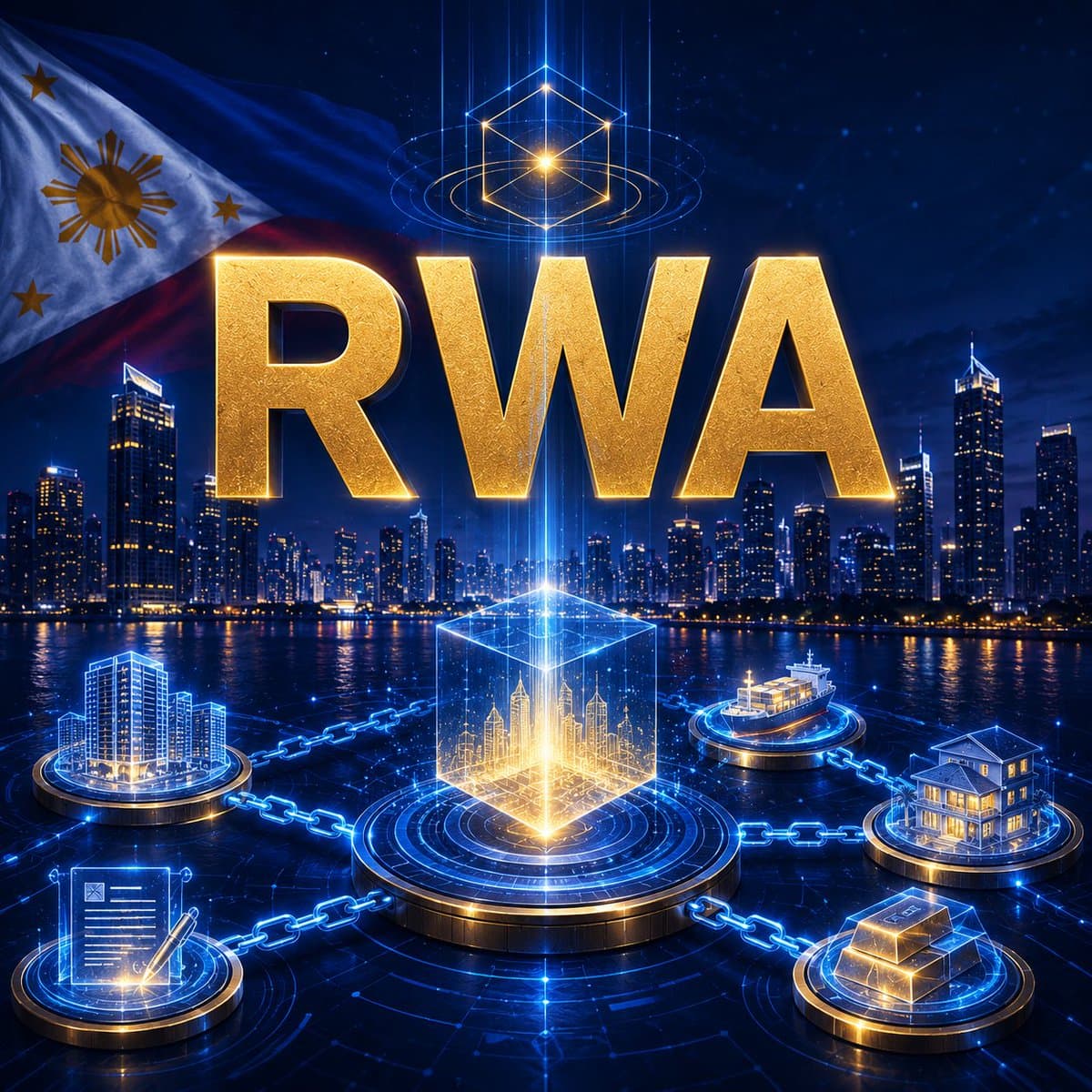
The Philippines is taking significant strides toward integrating blockchain technology into its financial system through the development of frameworks supporting real-world asset tokenization. Officials have indicated that existing legal and regulatory structures may already provide a foundation for expanding blockchain-based financial innovation. This move is part of a broader effort to modernize the financial landscape and improve market efficiency.
Tokenization refers to the process of representing ownership rights to real-world assets on a blockchain. Assets ranging from real estate and bonds to commodities and investment funds can potentially be digitized and traded through tokenized systems. Supporters believe that this technology could improve efficiency, accessibility, and transparency across financial markets, making it easier for individuals and institutions to engage in investment opportunities.
Globally, tokenization has become one of the fastest-growing areas within the digital asset sector. Major financial institutions, technology firms, and regulators are increasingly exploring how blockchain infrastructure can modernize traditional financial processes. Industry forecasts suggest that tokenized assets could eventually represent trillions of dollars in value, highlighting the potential impact of this innovation on the global economy.
For developing economies like the Philippines, tokenization offers unique opportunities. Digital platforms may reduce barriers to participation, improve access to investment products, and facilitate more efficient capital formation. Small investors could potentially gain exposure to asset classes previously reserved for large institutions, democratizing access to investment opportunities and fostering economic growth.
The Philippines has emerged as an active participant in discussions surrounding financial technology innovation. Policymakers have sought to encourage digital transformation while maintaining safeguards designed to protect consumers and preserve market integrity. Advocates argue that blockchain technology can streamline settlement processes, reduce administrative costs, and enhance recordkeeping. Smart contracts may automate aspects of compliance and transaction management, creating efficiencies for market participants.
However, significant challenges remain. Regulatory clarity, cybersecurity standards, interoperability requirements, and investor education all play critical roles in determining whether tokenization achieves widespread adoption. Authorities must balance innovation with risk management to ensure that the benefits of tokenization can be realized without compromising market stability.
Institutional interest continues to grow. Banks, asset managers, and financial infrastructure providers are increasingly conducting pilot programs focused on tokenized securities and digital asset services. Many industry participants view tokenization as a natural evolution of financial markets rather than a complete replacement for existing systems, indicating a shift in how financial transactions may be conducted in the future.
Cross-border opportunities may prove particularly important. Blockchain-based platforms can facilitate international transactions more efficiently than traditional systems in certain circumstances. This capability could support economic development and improve access to global capital, further integrating the Philippines into the global financial ecosystem.
The Philippines' efforts reflect a broader international trend toward experimentation with digital finance. Governments worldwide are evaluating how emerging technologies can enhance competitiveness while supporting economic growth and financial inclusion. As the country positions itself to participate in the next phase of financial modernization, the success of its tokenization framework will be closely watched by other nations considering similar initiatives.
Whether tokenization reaches its full potential remains uncertain, but momentum continues to build. The combination of technological innovation, institutional participation, and regulatory engagement suggests that blockchain-based financial infrastructure will remain a major area of focus in the years ahead.
Published by Banx Network. This article is part of the Banx decentralized media programme, powered by the BXE token on the XRP Ledger.




