
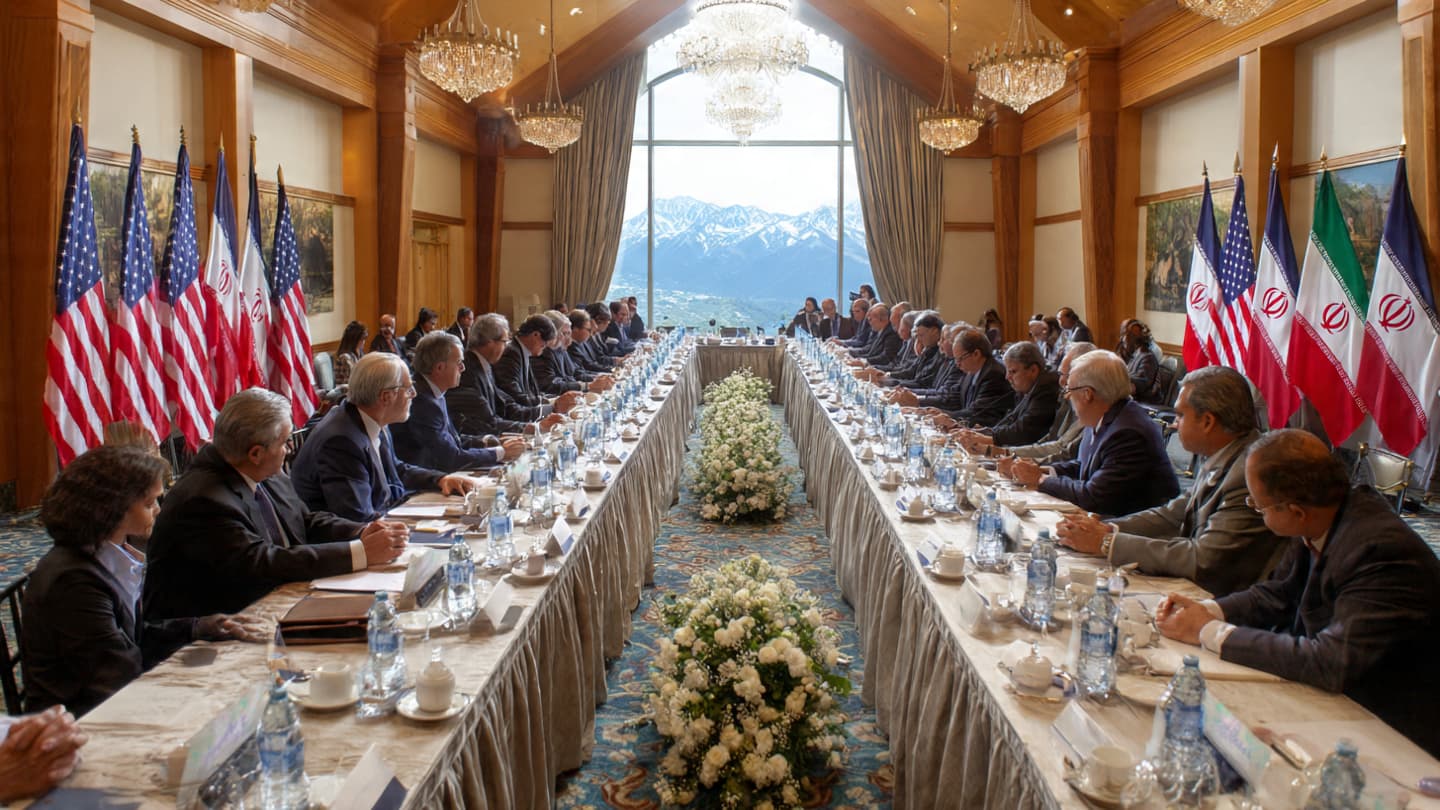
The wind that carries the memory of old conflicts rarely changes direction overnight. For decades, the relationship between the United States and Iran has resembled a long road marked by suspicion, political rivalry, and moments of uncertainty that reached far beyond their borders. Recent diplomatic developments, however, have offered a different image to the world, one where conversation may begin to replace confrontation.
Officials from both countries have indicated progress toward a peace understanding aimed at reducing tensions and opening the door to broader cooperation. While many details remain under negotiation, the announcement itself has attracted global attention because of the significant influence both nations have on regional and international affairs.
Financial markets reacted quickly to the news. Oil prices showed signs of easing as investors interpreted the diplomatic progress as a positive signal for energy stability. The Middle East remains one of the world's most important energy-producing regions, meaning political developments there often have direct consequences for economies across the globe.
One of the key issues remains Iran's nuclear program. Discussions surrounding nuclear activities have shaped relations between Iran and Western nations for many years. Current negotiations seek to establish measures that promote transparency while addressing international security concerns through diplomatic channels.
Regional governments have responded with cautious optimism. Many leaders understand that lasting peace cannot be achieved through announcements alone but requires consistent communication and mutual trust. Diplomatic efforts often succeed when supported by gradual confidence-building measures rather than sudden changes.
International organizations and policy experts have welcomed the willingness to continue negotiations. They argue that dialogue provides opportunities to reduce misunderstandings and create conditions for cooperation in areas such as trade, humanitarian assistance, and regional security.
Challenges remain significant. Domestic politics, historical grievances, and changing geopolitical conditions could influence future negotiations. Previous diplomatic breakthroughs have shown that progress can face setbacks, making patience and sustained commitment essential for long-term success.
The impact of improved relations could extend well beyond the two nations involved. Greater stability may benefit international trade routes, energy markets, and broader regional security. Businesses, governments, and communities around the world often experience the effects of Middle Eastern developments through interconnected global systems.
For now, the diplomatic effort represents an opportunity rather than a conclusion. Whether it develops into a lasting agreement will depend on future actions and continued negotiations. Yet the willingness to pursue dialogue offers a reminder that even long-standing disputes can search for a different future.
AI Image Disclaimer: The illustrations accompanying this article are AI-generated and intended for editorial visualization only.
Sources Verified: Reuters, Associated Press, BBC News, Al Jazeera, The Guardian
Note: This article was published on BanxChange.com and is powered by the BXE Token on the XRP Ledger. For the latest articles and news, please visit BanxChange.com