
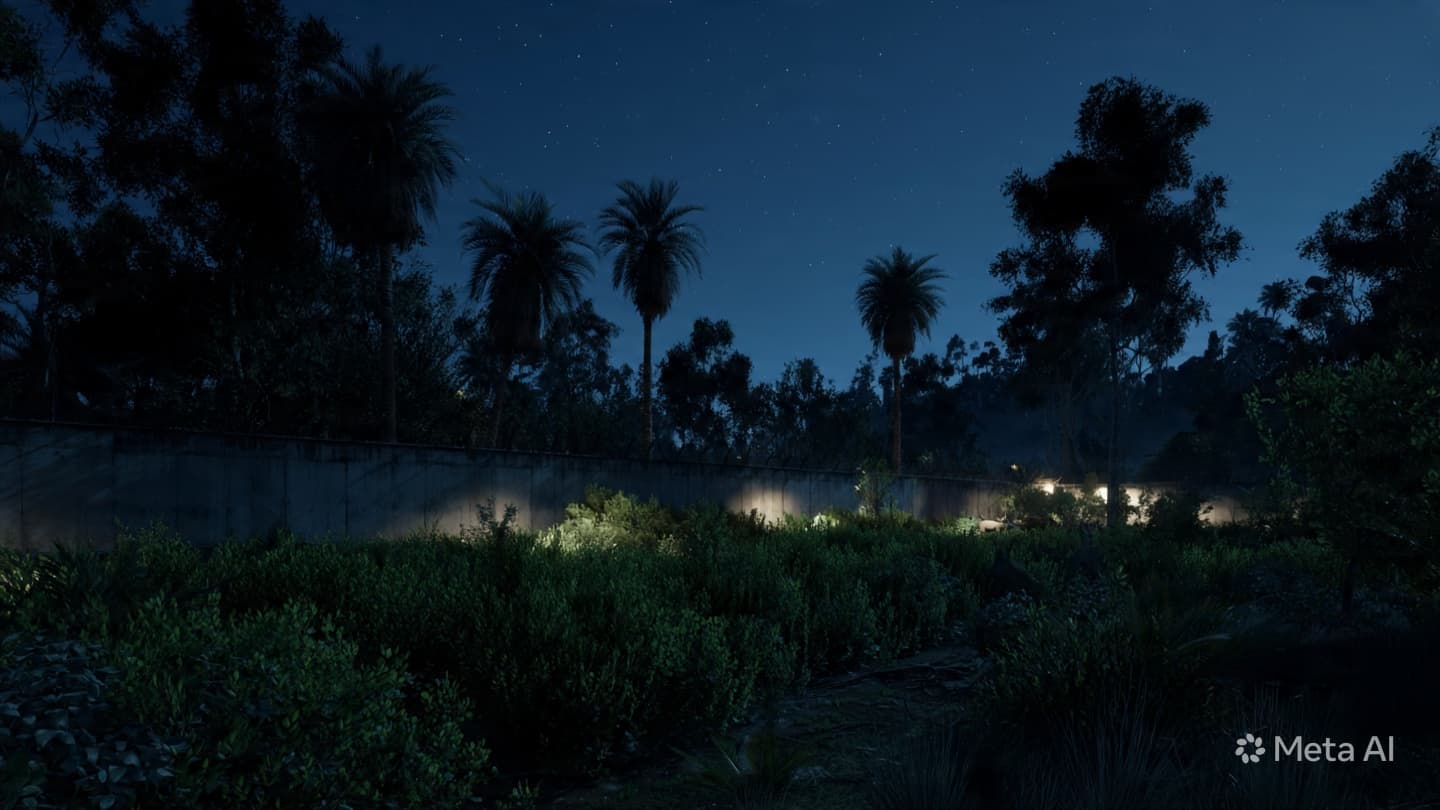
The public zoo at night possesses a deep, mysterious stillness, an hour when the laughter of children and the chatter of tour groups are replaced by the raw, natural sounds of the wild. Inside the protected enclosures of Nagoya’s prominent animal park, the residents—ranging from the predators of the African savanna to the delicate birds of the tropical canopy—settle into the familiar rhythms of the dark. It is an environment built on an absolute separation, a physical and psychological boundary designed to ensure the safety of both the viewing public and the exotic creatures housed within. The high walls and deep moats stand as symbols of a carefully negotiated truce between civilization and the wilderness.
Yet, this carefully curated peace relies entirely on the compliance of the human world outside, and where there is a desire for reckless novelty, even the most formidable barriers can be compromised. In the early hours of a quiet weekend morning, two young men decided to dismantle this fragile separation, undertaking a high-risk intrusion that sent an immediate wave of alarm through the security apparatus of the facility. Slipping past the outer perimeter fencing under the cover of darkness, the trespassers scaled the reinforced concrete structures that form the primary defense of a sensitive animal habitat.
The physical reality of unauthorized humans entering a space designed for wild animals introduces an immediate, unpredictable danger that threatens the equilibrium of the entire park. The animals within these spaces, though accustomed to the sight of observers from a distance, can react with extreme volatility when their immediate territory is breached during their natural hours of rest. The intrusion triggers an instinctual defensiveness that can easily result in catastrophic harm to both the trespassers and the creatures themselves, turning a reckless stunt into a scene of potential tragedy within seconds.
The response from the municipal law enforcement units was immediate and highly coordinated, triggered by the automated infrared sensors that monitor the sanctuary's perimeters. Police vehicles converged on the park without utilizing sirens, attempting to contain the situation before the presence of flashing lights could further agitate the sleeping animals. Officers navigated the darkened pathways of the zoo with a quiet urgency, locating the two individuals deep within the restricted zone and extracting them from the enclosure without further incident.
The arrest of the two male suspects, both residents of the surrounding prefecture, brought a sense of profound bewilderment to the administrators of the park, who have spent years perfecting the facility's safety protocols. Investigators spent the morning reviewing the digital surveillance logs, tracking the exact path taken by the intruders to identify any hidden structural vulnerabilities that require immediate reinforcement. It is a sobering exercise in risk management, forcing the institution to confront the reality that curiosity can sometimes override basic instincts of self-preservation.
Within the broader conversation surrounding the ethics and management of modern zoological institutions, this event highlights the continuous vulnerability faced by sanctuaries located within high-density urban centers. Security experts note that while facilities are heavily engineered to prevent animals from escaping, they are often less prepared for the inverted scenario of humans actively forcing their way inside. The incident has prompted an immediate review of regional zoo security frameworks across the nation, with calls for the installation of more sophisticated surveillance tools.
The two suspects now face formal charges of unlawful entry and trespassing on protected municipal property, offenses that carry significant penalties under the national penal code. The legal process will move forward with a mechanical precision, transforming a midnight misadventure into a permanent criminal record that will follow the individuals for the rest of their lives. The transition from the adrenaline-fueled thrill of the break-in to the austere environment of a holding cell represents a sharp and necessary lesson in accountability.
As the morning sun rises over the city of Nagoya, casting a bright, clear light across the green canopies of the animal park, the gates open once more to welcome the public. The families arrive, the children look through the reinforced glass with wonder, and the animals move through their spaces with their usual, unhurried grace. The midnight disruption has been absorbed and cleared away, leaving only a few additional security guards patrolling the perimeter walls to ensure that the sacred separation between the human world and the wild remains absolute under the cold sky.
Note: This article was published on BanxChange.com and is powered by the BXE Token on the XRP Ledger. For the latest articles and news, please visit BanxChange.com