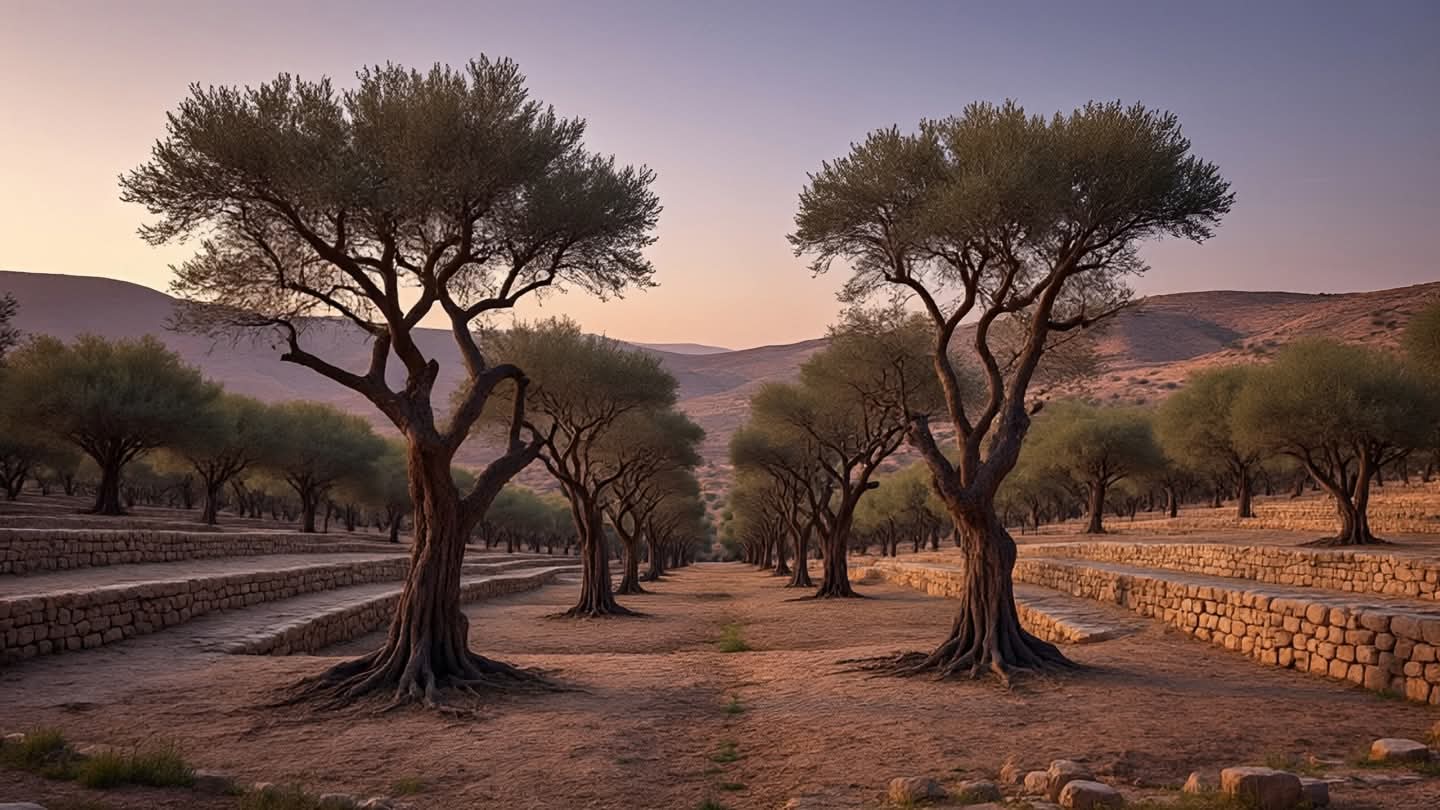
In the rolling hills of the West Bank, where olive groves have stood for centuries as silent witnesses to history, a sudden act of violence has shattered the quiet of a village. A Palestinian teenager was killed after Israeli settlers entered the area, an incident that underscores the deepening tensions and fragility of life in the occupied territories. The tragedy serves as a stark reminder of the human cost of ongoing conflict, where young lives are often caught in the crossfire of political and territorial disputes.
The incident occurred when a group of settlers reportedly entered the village, leading to a confrontation with local residents. According to Palestinian health officials and witness accounts, the teenager was shot during the clash. The presence of the Israeli military in the vicinity has raised questions about their role in preventing such violence, with critics arguing that insufficient protection is afforded to Palestinian communities. For the family and neighbors, the loss is not just a statistic but a profound personal devastation.
For years, settler violence has been a source of fear and instability for Palestinians in the West Bank. These incidents, ranging from property damage to physical assault, contribute to an atmosphere of insecurity that disrupts daily life. The killing of a minor intensifies these concerns, highlighting the vulnerability of children in areas where law enforcement and legal protections are often perceived as uneven or absent. It is a painful reflection of a broader systemic issue.
International human rights organizations have condemned the killing, calling for an immediate and thorough investigation. They emphasize the need for accountability and justice, urging both Israeli and Palestinian authorities to take steps to de-escalate tensions. The UN has previously noted the rise in such incidents, warning that they threaten the possibility of peace and coexistence. For the global community, this event is another call to action.
Local leaders in the village have expressed grief and anger, demanding protection for their community. They argue that without security guarantees, normal life is impossible. Schools, markets, and homes become places of anxiety rather than safety. This psychological toll is as damaging as the physical violence, eroding trust and hope for a better future. The community’s resilience is tested daily by such events.
The Israeli government has stated that it opposes vigilante violence and is committed to maintaining order. However, critics point out that prosecutions of settlers are rare, leading to a sense of impunity. This perception fuels further resentment and cycles of retaliation. Breaking this cycle requires not just words but consistent and impartial enforcement of the law, a challenge that remains largely unmet.
For the teenager’s family, the pain is immeasurable. They are left to navigate a complex legal and emotional landscape, seeking answers and justice in a system that often feels distant. Their story is one of many, each representing a broken dream and a lost potential. It is a reminder that behind every headline is a human being with a name, a family, and a future that will never be realized.
As the sun sets over the West Bank, the shadow of this tragedy lingers. It is a moment for reflection on the urgent need for peace, justice, and mutual respect. Until then, the hills remain silent, holding the memories of those who have suffered. The hope is that one day, they will witness only harmony, not harm.
AI Image Disclaimer: The visual elements in this article are AI-generated illustrations depicting rural landscapes and abstract representations of mourning, designed to reflect the themes of loss and conflict without showing real victims, violent acts, or specific political symbols.
Sources: Al Jazeera, BBC News, The Guardian
Note: This article was published on BanxChange.com and is powered by the BXE Token on the XRP Ledger. For the latest articles and news, please visit BanxChange.com