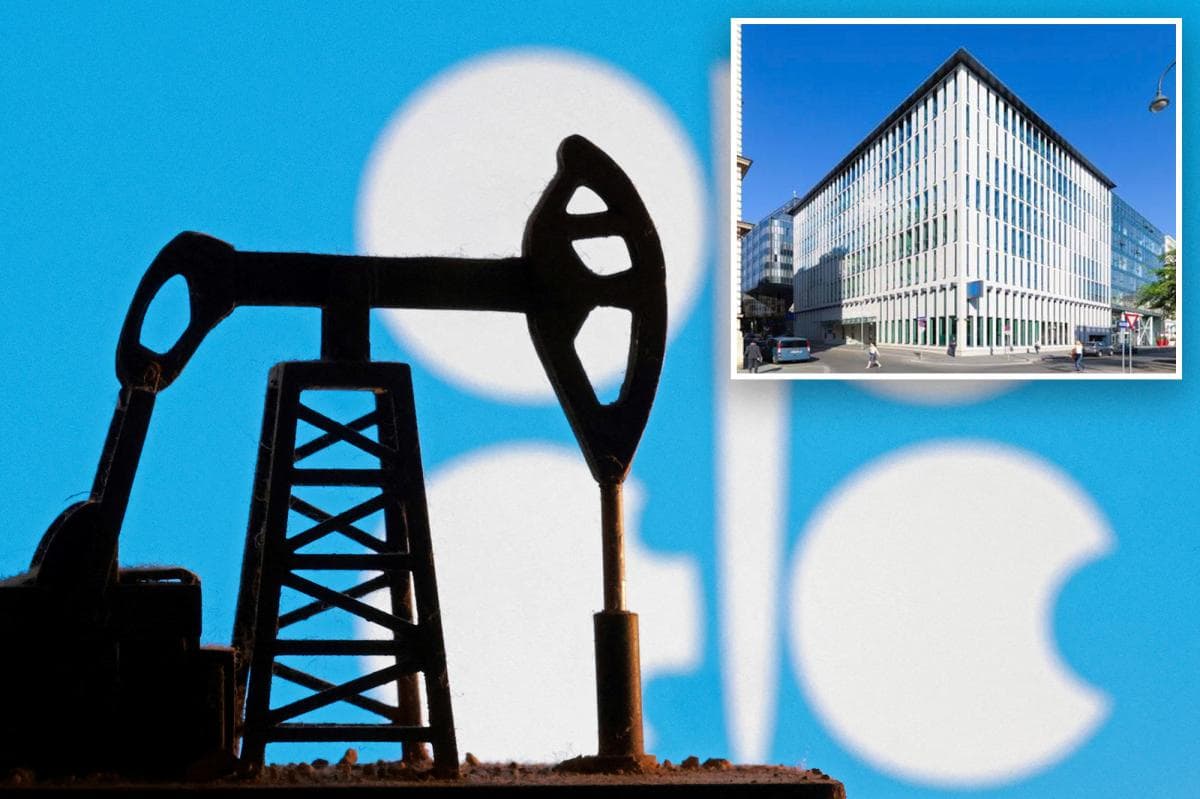
OPEC+ has approved another increase in oil production, signaling confidence that global markets can absorb additional supply while maintaining relative stability. The decision comes as exports through the Strait of Hormuz recover and energy producers continue balancing market conditions against economic uncertainty. The alliance, which includes members of the Organization of the Petroleum Exporting Countries and key partners, plays a central role in determining global oil supply dynamics. Production decisions made by the group can significantly influence energy prices, inflation trends, and economic performance worldwide. The latest increase reflects improving confidence among producers regarding demand conditions and logistical stability. Recent disruptions affecting shipping routes and geopolitical tensions had raised concerns about supply constraints, particularly in regions heavily dependent on maritime transport. The Strait of Hormuz remains one of the world's most strategically important energy corridors. A substantial portion of global oil exports passes through the narrow waterway, making it a focal point for markets monitoring geopolitical developments. Any disruption can trigger volatility in energy prices and broader financial markets. By increasing output, OPEC+ aims to support market stability while avoiding excessive price spikes that could damage economic growth. Higher production may also help offset supply concerns and provide additional flexibility if demand strengthens unexpectedly. Energy analysts note that the group continues to face a delicate balancing act. Producing too little could drive prices sharply higher, while excessive production risks oversupply and downward pressure on revenues. The organization's strategy typically seeks to maintain equilibrium between supply and demand. Global oil demand remains influenced by several factors, including economic growth, industrial activity, transportation trends, and energy transition policies. While renewable energy adoption continues expanding, petroleum products remain essential to much of the global economy. Financial markets closely monitor OPEC+ decisions because energy prices affect inflation, interest rates, corporate earnings, and consumer spending. Changes in production policy can therefore have implications extending well beyond the energy sector. The latest move suggests that producers believe current market conditions justify a gradual increase in supply. Whether prices remain stable will depend on future demand growth, geopolitical developments, and broader economic conditions over the coming months.
Published by Banx Network. This article is part of the Banx decentralized media programme, powered by the BXE token on the XRP Ledger.