Across the world's oceans, migration unfolds as one of nature’s most remarkable stories. Invisible pathways stretch beneath waves and across continents, connecting ecosystems thousands of miles apart. For scientists studying marine life, each journey offers new insights into the resilience and mysteries of the natural world.
Researchers have confirmed that a humpback whale first documented near Brazil was later identified in Australian waters more than two decades afterward, establishing what is believed to be the longest recorded migration by an individual whale.
The whale was initially photographed off the coast of Brazil in 2003. Years later, scientists analyzing identification records discovered matching characteristics in images collected from Australia, linking observations separated by vast distances and many years.
The estimated journey covered approximately 15,100 kilometers, surpassing previous records associated with humpback whale migrations. The finding provides valuable information regarding the movement patterns of marine mammals across ocean basins.
Scientists rely on photo-identification techniques to track individual whales. Distinctive markings on tail flukes often function like fingerprints, allowing researchers to recognize animals encountered in different regions and at different times.
The discovery may contribute to a deeper understanding of whale population dynamics and breeding behavior. Marine researchers continue investigating how environmental conditions influence migration routes and habitat selection.
Humpback whales are known for undertaking some of the longest migrations in the animal kingdom. Many populations travel between feeding grounds in colder waters and breeding areas in warmer regions each year.
Conservationists view such findings as evidence of the importance of international cooperation in marine protection. Migratory species frequently cross national boundaries, requiring coordinated efforts among countries and scientific institutions.
As researchers continue studying ocean ecosystems, the whale's extraordinary journey offers another reminder of the vast interconnectedness of the natural world. Beneath the waves, stories of endurance and navigation continue to unfold far beyond human sight.
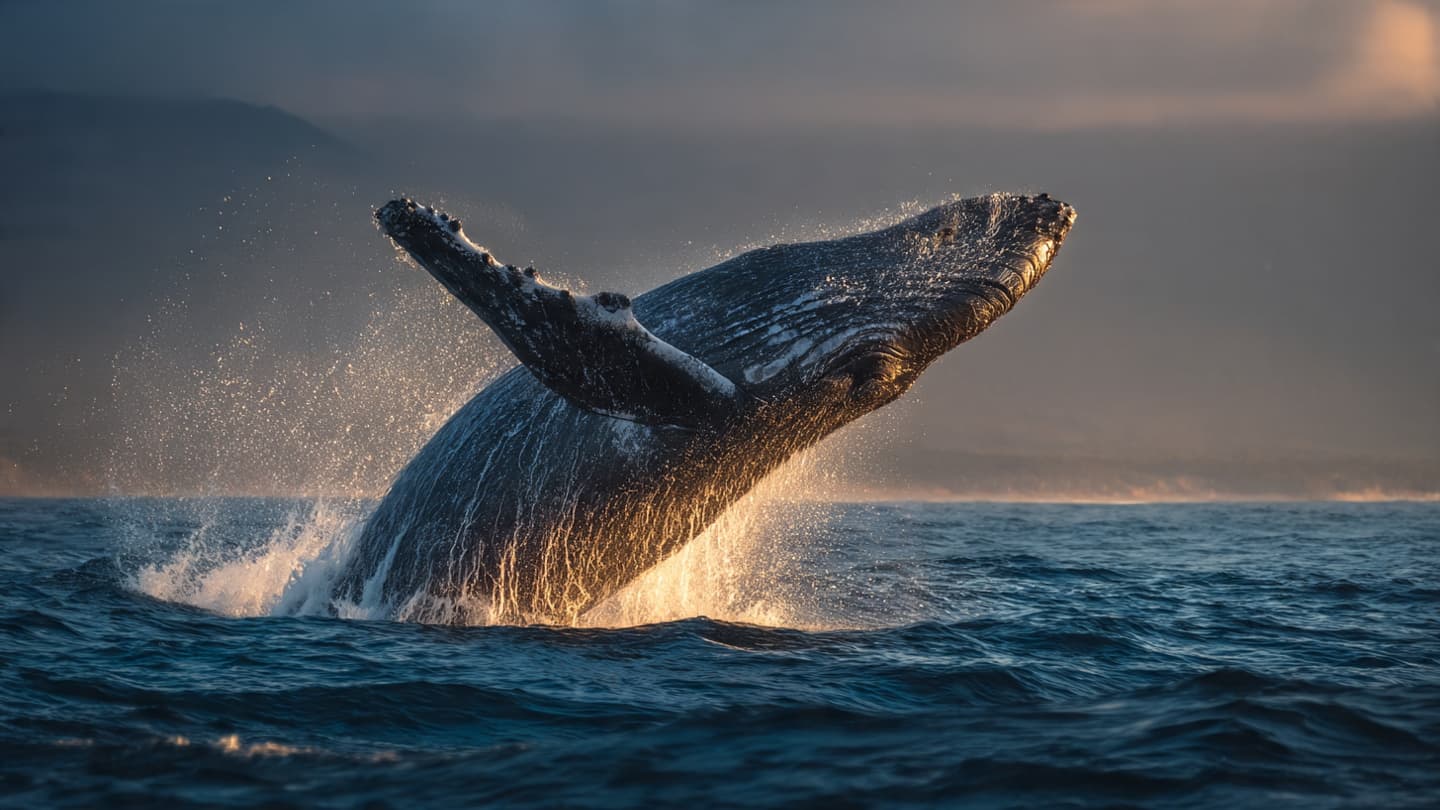
AI Image Disclaimer: The visual accompanying this article is AI-generated and created solely for illustrative purposes.
Sources Verified: Royal Society Open Science, Times of India, Marine Mammal Research Organizations
Published by Banx Network. This article is part of the Banx decentralized media programme, powered by the BXE token on the XRP Ledger.