
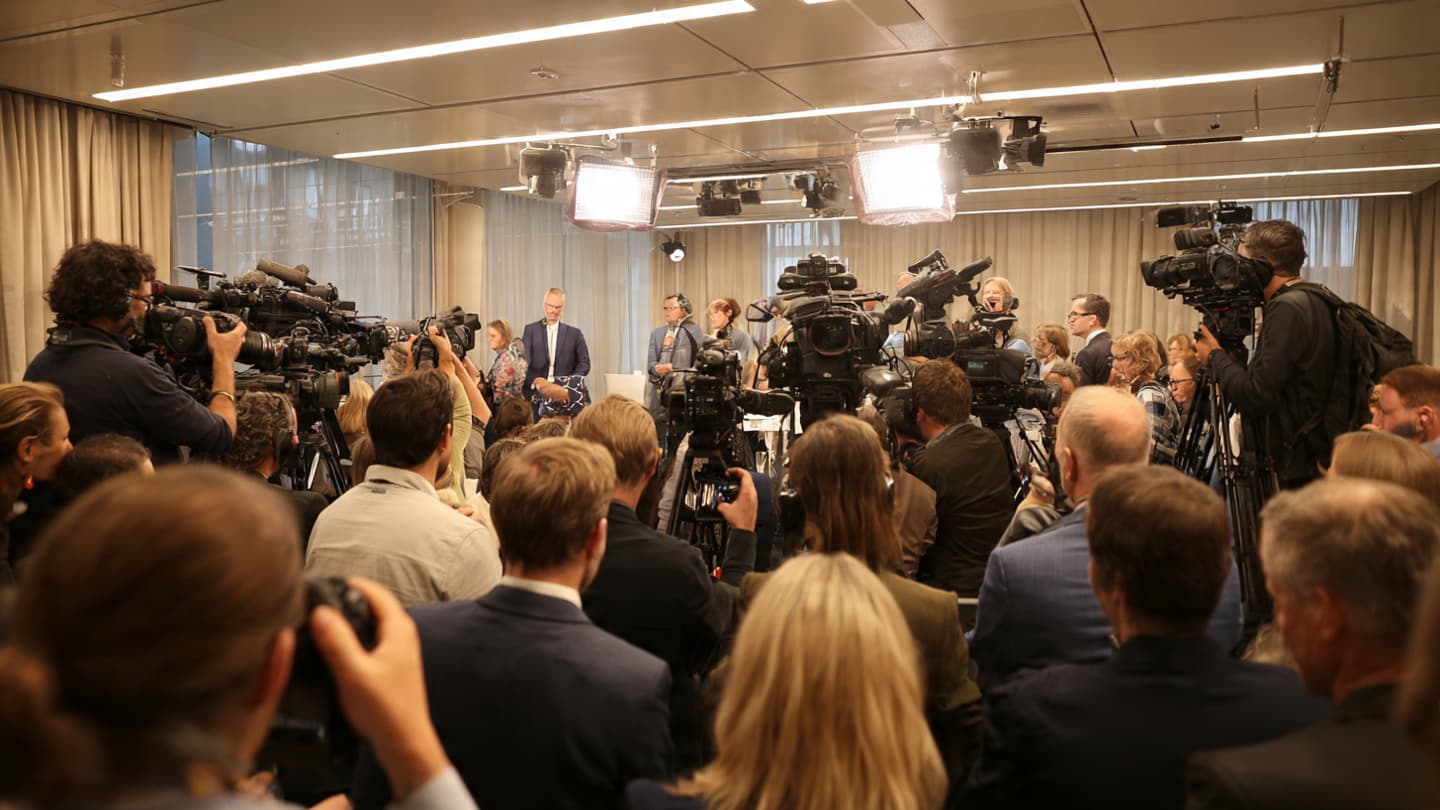
Sometimes a single question asked in a public setting can travel far beyond the room in which it was spoken. During Indian Prime Minister Narendra Modi’s visit to Norway, an exchange involving a Norwegian journalist has sparked renewed international discussion about media freedom, journalistic independence, and the relationship between governments and the press.
Reports indicate that the journalist raised concerns related to press freedom and media conditions in India during a formal public appearance. The moment quickly circulated online, drawing reactions from political commentators, journalists, and observers both within India and internationally.
Supporters of independent journalism described the exchange as part of the essential role reporters play in democratic societies. They argued that questioning political leaders publicly remains an important element of accountability and open governance, particularly during international visits where global audiences are watching closely.
Meanwhile, supporters of the Indian government defended Modi’s administration and criticized what they viewed as selective international scrutiny. Officials and political allies pointed to India’s large and active media environment, arguing that democratic debate remains robust despite criticism from some advocacy groups.
The conversation surrounding media freedom has become increasingly global in recent years. Journalists in many countries continue facing pressure related to political polarization, online harassment, financial instability within news industries, and concerns over government influence. As a result, debates about press independence rarely remain confined to a single nation.
International organizations that monitor press conditions have published varying assessments regarding India’s media environment. Some reports cite concerns about journalist safety, legal pressure, and media ownership concentration, while Indian officials often challenge aspects of those evaluations as incomplete or politically influenced.
For Norway, the exchange also highlighted the country’s long-standing emphasis on freedom of expression and open public discourse. Scandinavian nations frequently rank highly in international press freedom indexes, shaping expectations around media access during diplomatic engagements hosted there.
Observers note that modern political communication now unfolds instantly across social media platforms, where brief interactions can rapidly become international news events. A single question, once limited to a conference room audience, can now influence broader conversations involving millions of people worldwide.
As reactions continue, the episode serves as another reminder of the evolving relationship between governments, journalists, and global audiences. While opinions remain divided, the discussion itself reflects how central questions about media freedom have become in contemporary international politics.
AI Image Disclaimer: Editorial visuals linked to this article may contain AI-generated imagery created for illustrative newsroom use.
Sources: Reuters, Journalism Pakistan, BBC News, The Guardian
Note: This article was published on BanxChange.com and is powered by the BXE Token on the XRP Ledger. For the latest articles and news, please visit BanxChange.com