
The ocean has long been a place where routine and uncertainty meet. Surfers return to familiar breaks guided by tides, weather, and experience, often developing a deep trust in the waters they know. Yet occasionally, a single event can alter that relationship, prompting reflection among even the most dedicated ocean-goers.
That shift has become visible along Sydney's coastline following a shark attack at Coogee Beach. The incident drew widespread attention and sparked conversations among surfers, swimmers, and local residents about risk, safety, and confidence in the water. Reports indicated that a woman suffered serious injuries after the attack near shore.
In the days that followed, many surfers reassessed their routines. Some chose to avoid certain beaches temporarily, while others adjusted the times they entered the water or began paying closer attention to local wildlife sightings and safety advisories.
For coastal communities, such reactions are not unusual. Shark attacks remain rare compared with the number of people who use Australia's beaches each year, yet highly publicized incidents can have a significant psychological effect. A single event often resonates far beyond the immediate location where it occurred.
Experienced surfers frequently describe the ocean as an environment that demands respect rather than certainty. The recent attack has reinforced discussions about balancing enjoyment of the water with awareness of natural hazards.
Local authorities and marine experts continue to emphasize practical safety measures. These include monitoring official warnings, swimming or surfing with others when possible, and remaining informed about changing ocean conditions.
At the same time, many surfers have expressed a determination to continue participating in activities they value. For some, adaptation rather than withdrawal has become the preferred response, reflecting a long-standing connection between coastal communities and the sea.
The conversation unfolding after the Coogee incident illustrates how public perceptions can change quickly following unexpected events, even in places where ocean recreation forms part of everyday life.
Beach users continue to monitor developments while authorities maintain public safety messaging related to coastal conditions and marine wildlife activity.
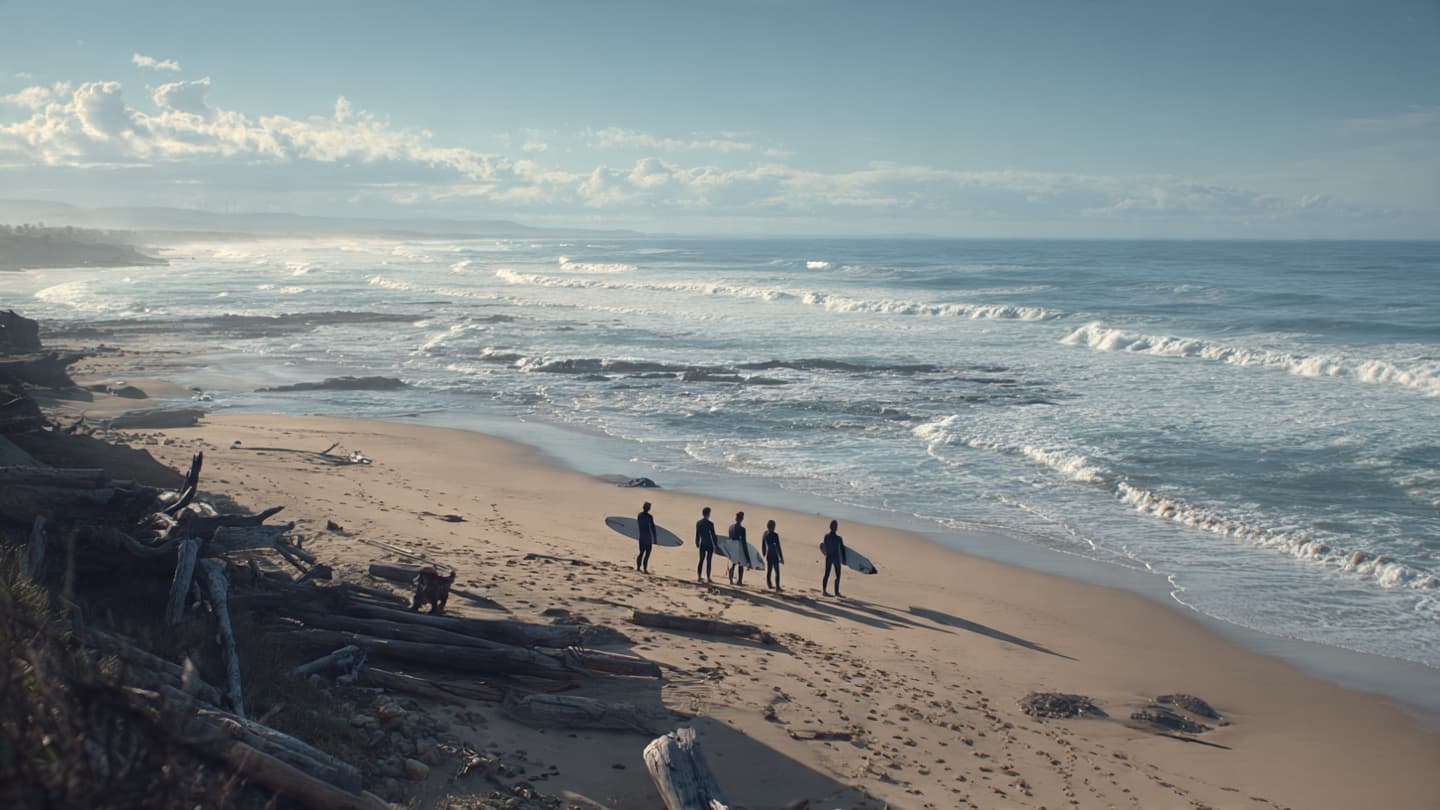
AI Image Disclaimer: Images included with this article are AI-generated visual interpretations intended to illustrate the topic and are not photographs from the reported events.
Note: This article was published on BanxChange.com and is powered by the BXE Token on the XRP Ledger. For the latest articles and news, please visit BanxChange.com