
In the intricate tapestry of European migration policy, Spain has recently woven a new thread, one that emphasizes integration over exclusion. The country launched an extraordinary regularization process in early 2026, offering a path to legal status for hundreds of thousands of undocumented immigrants already living within its borders. This initiative, described by officials as a humanitarian and economic necessity, has drawn nearly one million applications, signaling a profound shift in how the nation addresses the reality of its diverse population.
The scale of the response has been staggering. Within months of the application window opening, authorities reported receiving close to one million requests from individuals seeking to regularize their status. This number far exceeds initial government estimates, which had projected around 500,000 eligible candidates. The surge reflects both the large number of undocumented residents in Spain and the deep desire among them to participate fully in society, work legally, and access basic services without fear.
The criteria for eligibility are specific, requiring applicants to have resided in Spain for a certain period and to demonstrate social integration or employment history. This approach aims to reward those who have already put down roots, contributing to local communities and economies despite their lack of formal papers. It is a pragmatic recognition that these individuals are already part of the social fabric, and that bringing them into the light benefits everyone.
Economists argue that legalization can boost productivity and tax revenues. By granting work permits, the state allows these individuals to move from the informal economy to the formal sector, where they pay taxes and contribute to social security. This transition not only strengthens the labor market but also reduces exploitation, ensuring that workers receive fair wages and protections under the law. It is a win-win scenario that aligns moral imperatives with economic logic.
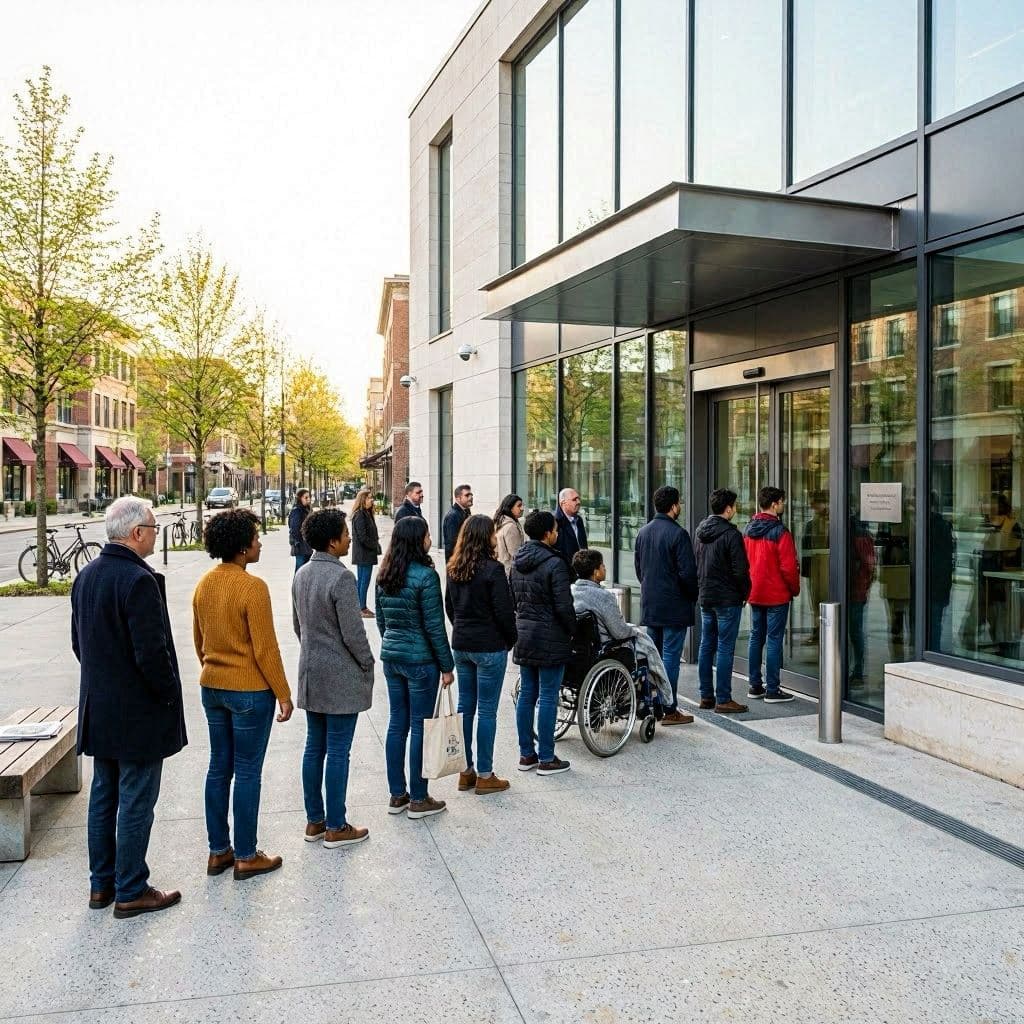
However, the process is not without its challenges. The sheer volume of applications has strained administrative resources, leading to delays and bureaucratic bottlenecks. Local offices have reported long queues and extended waiting times, causing anxiety for applicants eager to resolve their status. The government has pledged to hire additional staff and streamline digital processes to manage the load, but the task remains monumental.
Critics of the policy raise concerns about fairness and the potential for encouraging further irregular migration. They argue that rewarding those who bypassed legal channels may undermine the rule of law and discourage orderly immigration procedures. Yet, proponents counter that this is a one-time measure addressing a specific historical backlog, not an open door for future irregular entry. The debate highlights the tension between compassion and control in migration management.
For the applicants, the stakes are deeply personal. Legal status means the ability to travel, reunite with family, and plan for the future with certainty. It transforms lives from a state of precariousness to one of stability. Stories of families who can finally access healthcare or children who can enroll in school without barriers illustrate the human impact of this policy. It is a step toward dignity and inclusion.
As the deadline approaches and processing continues, Spain’s experiment will be watched closely by other nations facing similar demographic realities. Whether it serves as a model for integration or a cautionary tale of administrative overload remains to be seen. But for now, it stands as a significant attempt to reconcile the complexities of modern migration with the values of a compassionate society.
AI Image Disclaimer: The visual representations included in this article are generated by artificial intelligence to illustrate thematic concepts and do not depict actual applicants or government offices.
Sources: The Washington Post CNN El País KDH News Balcells Group
Published by Banx Network. This article is part of the Banx decentralized media programme, powered by the BXE token on the XRP Ledger.


