
The balance of power in government often resembles a conversation that never truly ends. Different branches of government speak through laws, votes, and constitutional authority, each seeking to define its role in moments of national importance. The debate surrounding military action in Iran has become one of the latest chapters in that continuing discussion.
Recent attention has focused on the War Powers Resolution, a law enacted in 1973 following the Vietnam War. The measure was designed to ensure that Congress maintains a role in decisions involving extended military action by requiring presidents to seek congressional authorization for certain hostilities.
The issue gained renewed importance after U.S. military operations involving Iran continued beyond the traditional 60-day period referenced in the law. Critics of the administration argue that Congress should have a greater role in approving or limiting ongoing military activities.
On June 3, the U.S. House of Representatives approved a war powers resolution intended to restrict further military action related to the conflict. The vote passed narrowly, with several Republican lawmakers joining Democrats in support of the measure.
Supporters of the resolution argue that Article I of the Constitution grants Congress authority over declarations of war and that lawmakers should be directly involved in decisions regarding prolonged military engagement. Opponents contend that presidents possess broad authority as commander in chief during national security crises.
Despite the House vote, significant procedural hurdles remain. The Senate would need to advance and approve comparable legislation, and differences between House and Senate versions would likely need to be reconciled before any final action could occur.
Even if Congress ultimately passes a final measure, presidential opposition could create another challenge. Historically, efforts to limit presidential war powers have faced difficulties, and no War Powers Resolution veto has ever been successfully overridden by Congress.
Some legal scholars also note ongoing constitutional debates about the War Powers Resolution itself. Questions regarding its interpretation and enforceability have surfaced repeatedly since its enactment more than five decades ago.
For now, the resolution represents both a legal and political test. Whether it ultimately changes U.S. policy toward Iran or remains largely symbolic, the debate highlights enduring questions about how military authority should be shared between Congress and the presidency.
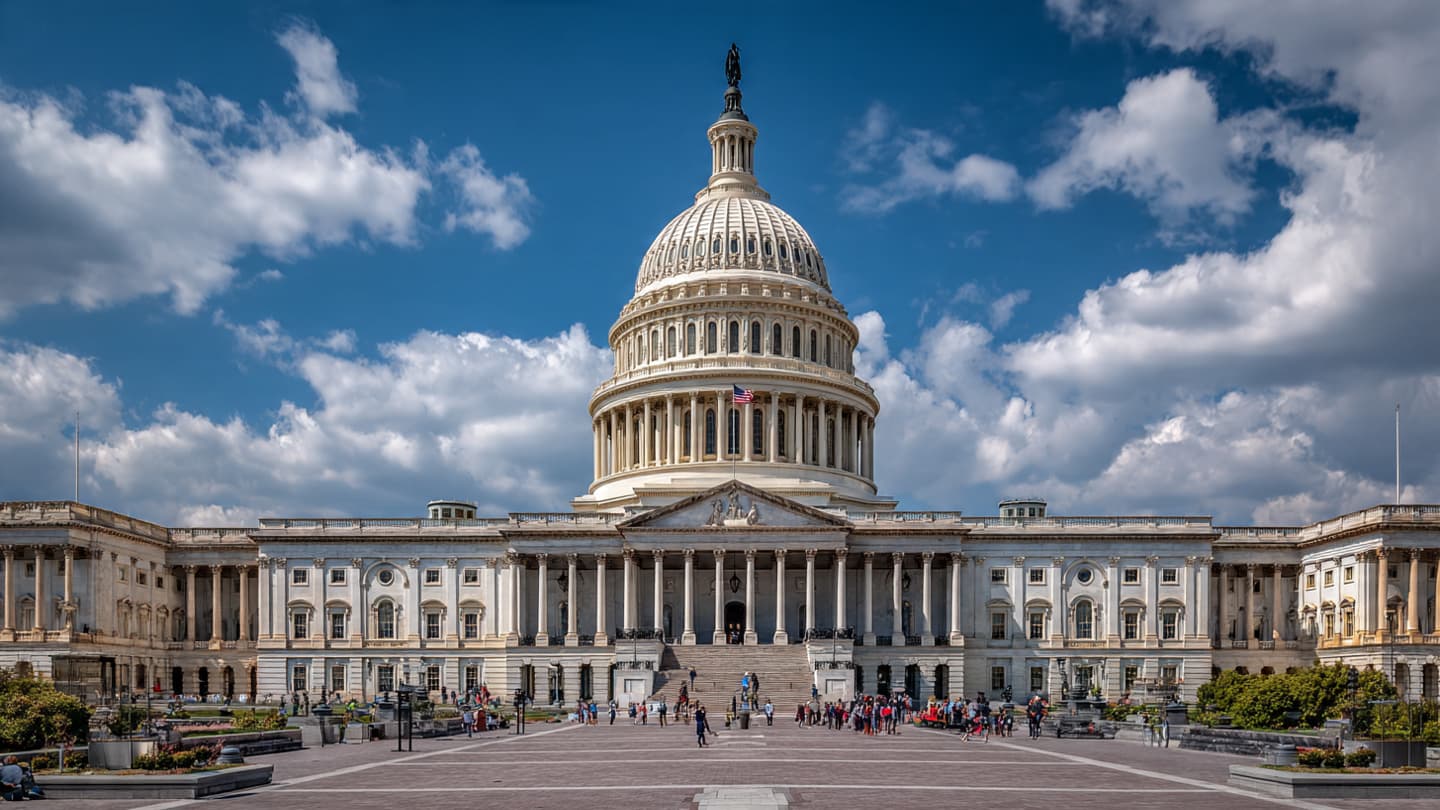
AI Image Disclaimer: This article features an AI-generated illustration created to provide a visual representation of the legislative process.
Sources Verified: PolitiFact, Reuters, The Guardian, Associated Press
Note: This article was published on BanxChange.com and is powered by the BXE Token on the XRP Ledger. For the latest articles and news, please visit BanxChange.com