
Political language often carries echoes of older conflicts, especially when discussions turn toward Cuba, a country whose relationship with the United States has been shaped by decades of tension, ideology, sanctions, and shifting diplomatic tides. Even today, references to “regime change” continue to awaken memories of Cold War anxieties across the Western Hemisphere.
accused members of the Republican Party of manufacturing political conditions that could justify another interventionist approach toward , according to remarks made during recent political discussions in Washington.
Gallego reportedly warned against rhetoric and policy proposals that frame Cuba primarily through confrontation rather than diplomacy. He argued that escalating tensions risk deepening instability while harming ordinary Cuban citizens already facing economic hardship.
Republican lawmakers supporting tougher measures against Havana have maintained that increased pressure is necessary to address political repression, human rights concerns, and Cuba’s international alliances. Some conservatives have called for expanded sanctions and stronger regional containment strategies.
The debate arrives during renewed attention on Latin America’s geopolitical role, particularly as the United States seeks to counter growing Russian and Chinese influence in the region. Cuba remains symbolically important within broader American foreign policy discussions.
Analysts noted that the phrase “regime change” carries significant historical weight because of past U.S. involvement in foreign interventions during the twentieth century. Discussions surrounding Cuba often become emotionally charged within both domestic politics and exile communities.
Cuban officials have consistently criticized American sanctions and external pressure campaigns, arguing that economic restrictions contribute to shortages and social difficulties on the island. Havana has repeatedly called for normalized diplomatic engagement.
Observers said the latest exchange reflects continuing divisions within American politics over how the United States should balance democracy promotion, strategic influence, and humanitarian concerns in neighboring countries.
No major policy shift has yet been formally announced, but the debate surrounding Cuba continues to intensify as lawmakers discuss future American foreign policy priorities.
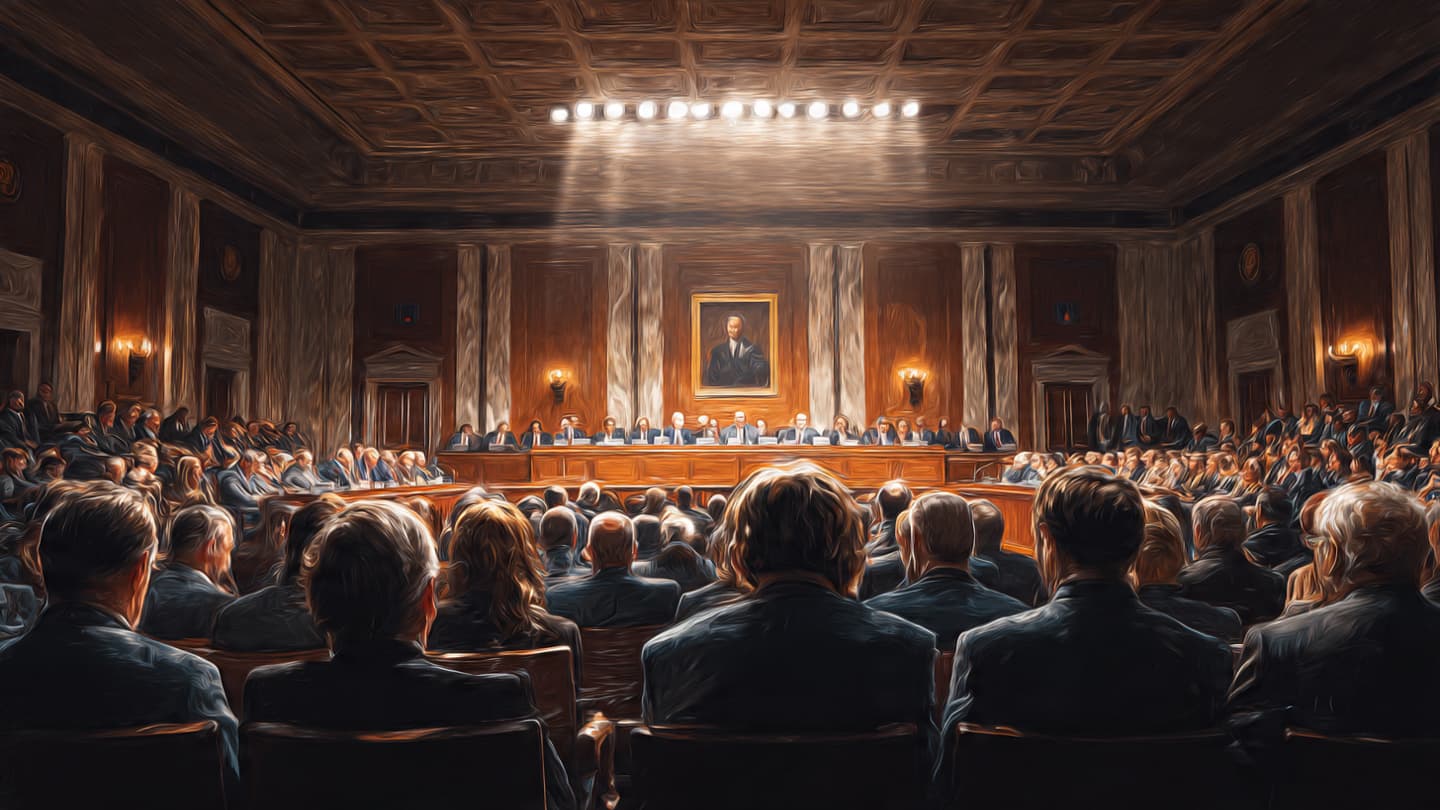
AI-generated image disclaimer: Some accompanying visuals may contain AI-generated depictions of diplomatic discussions and political events.
Sources: Reuters, The Hill, Politico, Associated Press, BBC News
Note: This article was published on BanxChange.com and is powered by the BXE Token on the XRP Ledger. For the latest articles and news, please visit BanxChange.com