
Key Highlights
- Increased Traffic:Several oil tankers have recently navigated the Strait of Hormuz using an alternative route along Oman’s coast.
- Iranian Warning:Iran’s Revolutionary Guard issued a stern warning against the new route, deeming it dangerous without their coordination.
- Regional Tensions:The ongoing instability in the region, including renewed fighting in Lebanon, complicates maritime security.
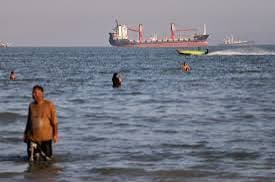
Several oil tankers have successfully passed through the Strait of Hormuz by taking an alternative route along the coast of Oman, a path promoted by a U.N. maritime agency. This development comes amid heightened tensions in the region, particularly with Iran’s Revolutionary Guard, which has issued a vehement warning against the use of this route. The Guard stated through Iranian state media that the newly announced route is “unacceptable” and poses significant dangers without Iran’s coordination. They emphasized that the only authorized passage through the strait is the one declared by Iran, threatening that vessels using alternative routes “will be dealt with,” although they did not provide specific details on how they would enforce this warning.
Traffic through the Strait of Hormuz, a crucial waterway for global oil shipments, has seen an uptick recently, although it remains below prewar levels. This increase in maritime activity is linked to broader U.S.-Iran negotiations aimed at establishing an interim arrangement. These discussions include critical topics such as ensuring safe passage for ships through the Persian Gulf and addressing Iran’s stockpile of highly enriched uranium, which has raised international concerns.
The geopolitical landscape surrounding the Strait of Hormuz is further complicated by ongoing regional conflicts. Renewed fighting in Lebanon, particularly involving Israeli forces and Iranian-backed Hezbollah, poses additional risks to maritime security. The potential for escalated conflict in this area could significantly impact shipping routes and the safety of vessels navigating through the region.
As tensions persist, the international community is closely monitoring the situation. The U.S. and its allies are likely to respond to any aggressive actions taken by Iran against vessels in the Strait. The implications of these developments extend beyond immediate maritime safety, as they could influence global oil prices and international diplomatic relations.
In summary, while oil tankers are currently navigating the Strait of Hormuz using alternative routes, the threats from Iran’s Revolutionary Guard highlight the precarious nature of maritime security in this vital region. Stakeholders in the shipping industry and governments worldwide will need to remain vigilant as the situation evolves.
Published by Banx Network. This article is part of the Banx decentralized media programme, powered by the BXE token on the XRP Ledger.



