
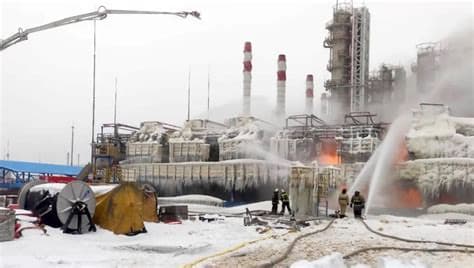
oil refining activities across central Russia have come to a near-complete halt after a wave of drone attacks launched by Ukraine over the past two weeks. Major refineries have either suspended operations or drastically reduced their output, resulting in significant implications for the Russian energy sector.
According to reports from industry sources and official data, almost all significant refineries in the region, which account for over 83 million metric tons of refining capacity per year, are affected. This disruption represents about 25% of the total refining capacity in Russia, impacting more than 30% of the country's gasoline production and about 25% of its diesel output.
Key facilities targeted include the Kirishi refinery, one of the largest in Russia, which has been offline since May 5; the Moscow oil refinery, which shut down on May 17; and several others in Nizhny Novgorod, Ryazan, and Yaroslavl.
The heightened frequency of drone attacks—doubling since the beginning of the year—has raised concerns regarding the security of Russian energy infrastructure. The Ministry of Energy has not responded to inquiries about these developments. As a preventive measure, Russia implemented a gasoline export ban that will last until the end of July, further straining its resources.
The Iranian energy ministry has reported that the recent strikes have not only disrupted refining activities but have also led to reduced overall oil output, which could significantly affect Russia's federal revenue sources, where oil and gas taxes account for a substantial portion of the budget.
As the conflict continues, the impact on the oil sector underscores the increasing strategic importance of energy infrastructure in the ongoing war, complicating Russia's efforts to maintain economic stability in the face of persistent military challenges. This situation remains fluid, with potential repercussions for global oil markets as the conflict develops further.
Note: This article was published on BanxChange.com and is powered by the BXE Token on the XRP Ledger. For the latest articles and news, please visit BanxChange.com