
Key Highlights
- Record ocean surface temperatures have been reported globally.
- The rise is linked to both El Niño and long-term climate change.
- Scientists warn of potential disruptions to marine ecosystems and extreme weather events.
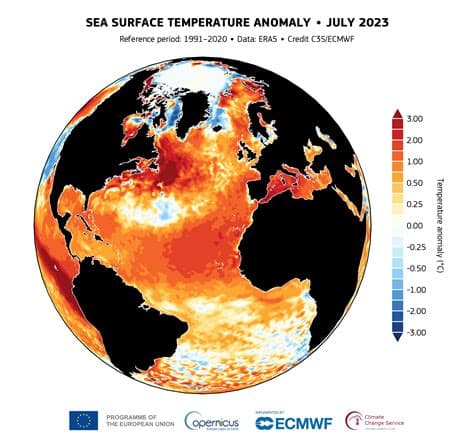
Scientists have reported that ocean surface temperatures have surged to unprecedented levels, marking a significant shift in Earth's climate system. According to data from the Copernicus Climate Change Service, global sea surface temperatures reached record highs in late June, surpassing previous records set in recent years. This alarming trend indicates that the planet is entering uncharted territory, with potentially severe implications for marine ecosystems and weather patterns.
The recent spike in ocean temperatures is partially attributed to the developing El Niño phenomenon in the Pacific Ocean. El Niño is known for redistributing heat from the ocean to the atmosphere, which can lead to increased global temperatures. However, researchers emphasize that this event is occurring against the backdrop of a longer-term warming trend primarily driven by fossil fuel emissions. The Copernicus analysis highlights that ocean warming is not limited to tropical regions but is becoming more widespread, suggesting that the current heat levels may signify the onset of a new phase in climate change.
The consequences of sustained record warmth in ocean waters could be profound. Scientists warn that elevated temperatures can disrupt marine ecosystems, leading to shifts in species distributions and affecting fisheries. Additionally, the extra heat and moisture in the atmosphere can intensify storms and contribute to extreme weather events on land. As the climate continues to change, the interconnectedness of ocean and atmospheric conditions becomes increasingly evident, underscoring the urgency of addressing climate change.
Monitoring efforts are ongoing to assess whether these record temperatures will persist and how quickly their impacts might spread. Researchers are particularly concerned about the potential for marine heatwaves, which can have devastating effects on coral reefs and other sensitive marine habitats. The scientific community is calling for increased awareness and action to mitigate the effects of climate change, as the stakes for both marine life and human populations are high.
In conclusion, the record ocean temperatures serve as a stark reminder of the challenges posed by climate change. As scientists continue to study these developments, the need for comprehensive climate policies and sustainable practices becomes ever more critical. The future of our oceans and the health of our planet depend on our collective response to this pressing issue.
Published by Banx Network. This article is part of the Banx decentralized media programme, powered by the BXE token on the XRP Ledger.



