
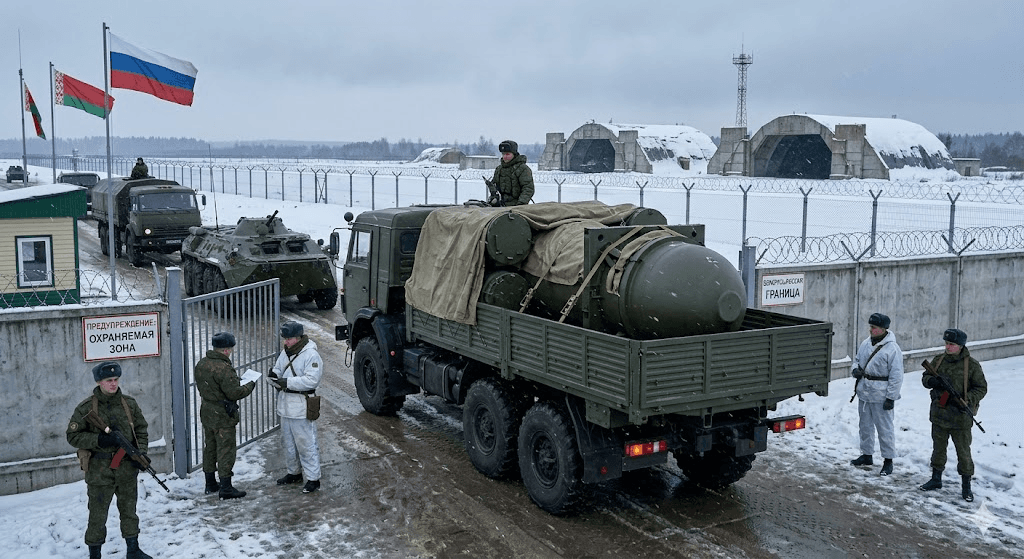
MINSK, Belarus — In a move that has further strained the fragile security architecture of Eastern Europe, Russia has officially confirmed the delivery of tactical nuclear warheads to its ally, Belarus. The deployment, which follows months of rhetoric and military planning, marks a significant escalation in the standoff between the Kremlin and the North Atlantic Treaty Organization (NATO).
The transfer of these tactical weapons is seen by geopolitical analysts as a calculated effort to project power and deter NATO's eastward influence. By stationing nuclear-capable assets on Belarusian soil, Moscow effectively expands the operational range of its theater nuclear forces, placing key European capitals and regional NATO infrastructure within closer reach.
"This deployment is designed to signal that Moscow is prepared to use any means necessary to secure its strategic interests," said an international security expert. "It is an attempt to rewrite the rules of engagement in the region."
NATO leaders have decried the move as "dangerous and irresponsible," characterizing it as an attempt to use nuclear intimidation to fracture the alliance's unity. In response to the development, NATO has reaffirmed its commitment to collective defense, with several member nations calling for an urgent review of their own deterrence postures along the eastern flank.
Military observers expect an increase in air patrols and enhanced surveillance operations by NATO forces in neighboring Poland, Lithuania, and Latvia. The alliance has consistently emphasized that it will not be cowed by nuclear signaling, though the presence of these weapons complicates the strategic calculus for regional stability.
For the Belarusian government, the hosting of these warheads is framed as a necessary measure for national security. Officials in Minsk have argued that the presence of Russian nuclear assets serves as an essential counterweight to what they describe as "hostile policies" pursued by neighboring NATO states.
While both Moscow and Minsk have maintained that the weapons are under Russian control, the integration of these assets into the Belarusian military infrastructure remains a point of deep concern for international non-proliferation monitors.
As tensions continue to climb, diplomatic channels remain heavily strained. With both sides signaling a commitment to their respective military strategies, the region faces a period of heightened unpredictability. International observers are now closely monitoring for any further military posture changes that could indicate an even deeper entrenchment of forces on the border between Belarus and its NATO-member neighbors.
Note: This article was published on BanxChange.com and is powered by the BXE Token on the XRP Ledger. For the latest articles and news, please visit BanxChange.com