For generations, space exploration has depended on the delicate balance between ambition and limitation. Rockets can lift humanity beyond Earth, but long journeys through space still face enormous challenges involving energy, distance, and survival. Now, is reportedly advancing plans that could reshape future exploration: building a nuclear reactor for the Moon and developing nuclear propulsion systems capable of carrying humans toward .
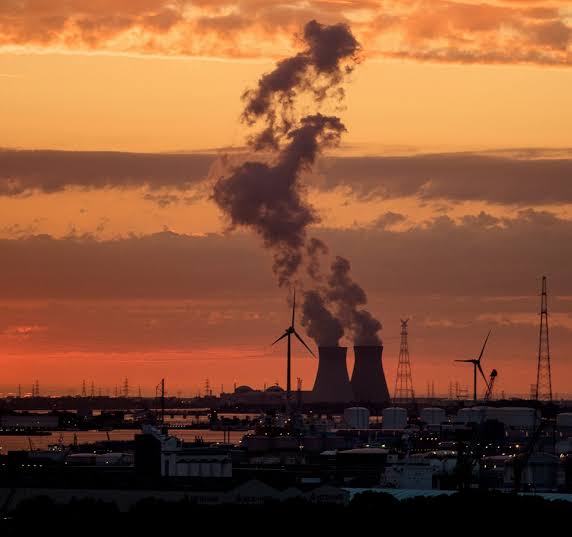
The initiative reflects renewed interest in nuclear-powered space systems first explored during the early years of the space race. During the era, scientists investigated how nuclear energy might support deep-space missions, though many concepts remained experimental or politically difficult to pursue at the time.
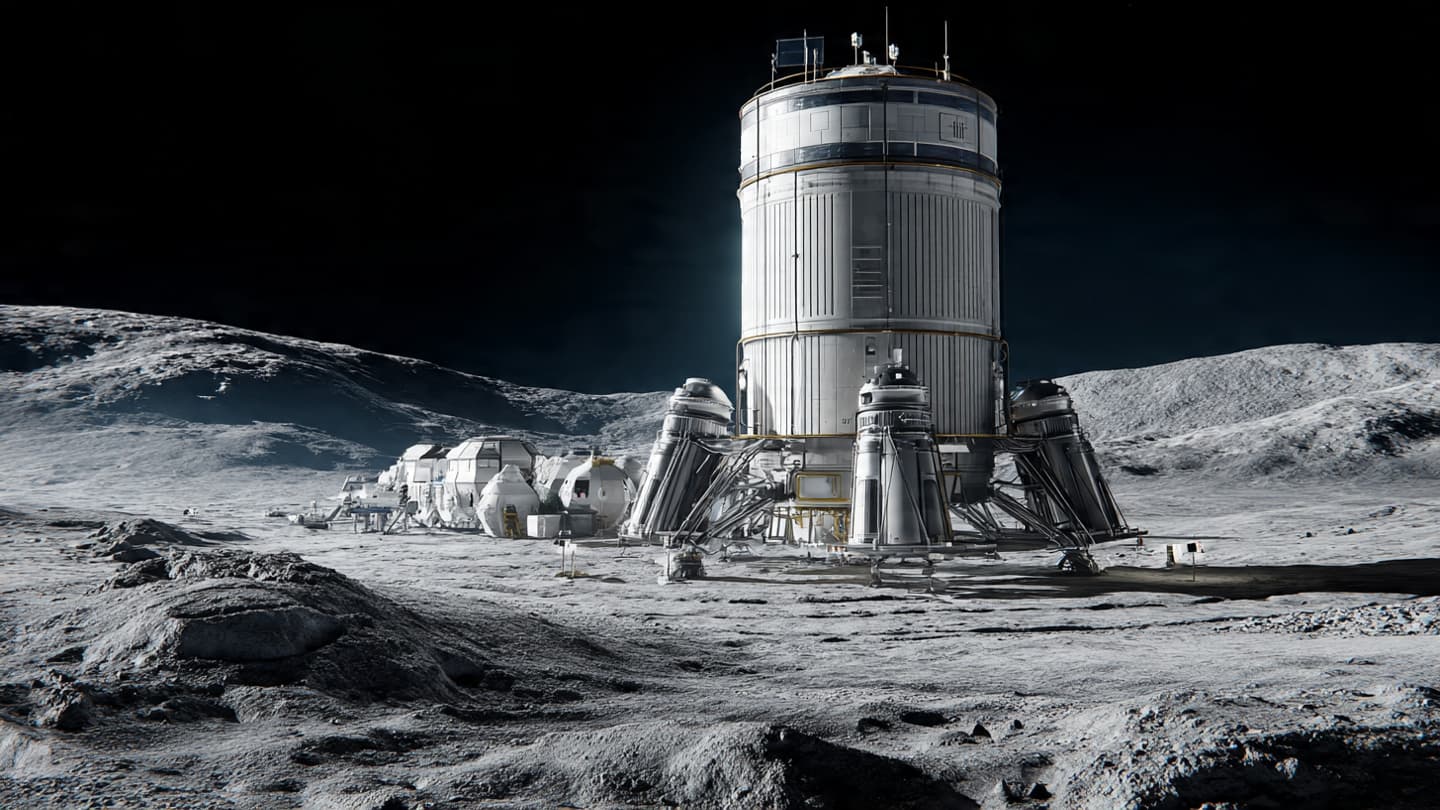
Current plans reportedly involve developing a compact nuclear reactor capable of operating on the Moon by around 2030. Such systems could provide stable energy for lunar habitats, scientific research stations, communication systems, and resource-processing equipment during the long lunar night when solar power becomes limited.
Engineers view nuclear reactors as particularly valuable for sustained human presence beyond Earth because they can produce continuous electricity regardless of sunlight conditions. Unlike solar panels, compact reactors may function more reliably in permanently shadowed regions or harsh environmental conditions on the lunar surface.
At the same time, NASA and research partners are exploring nuclear thermal propulsion technologies designed to shorten travel times to Mars. These propulsion systems would use nuclear reactions to heat propellant, potentially allowing spacecraft to travel more efficiently than conventional chemical rockets over interplanetary distances.
Scientists believe reducing travel time to Mars is critical for future human missions. Faster journeys could lower astronaut exposure to cosmic radiation, reduce supply requirements, and improve mission flexibility. Even so, major technical, safety, and regulatory challenges remain before nuclear propulsion becomes operational for crewed exploration.
The renewed focus on nuclear space technology also reflects intensifying international competition and long-term planning in lunar exploration. Countries including and the continue investing heavily in programs aimed at establishing lasting presence beyond Earth orbit.
For now, the projects remain under development rather than deployment. Yet the direction itself signals a significant shift in modern space exploration. Humanity’s next era in space may depend not only on bigger rockets, but also on mastering entirely new forms of energy capable of supporting life and travel far from Earth.
AI Image Disclaimer: Some futuristic space exploration visuals featured with this article were created using AI-generated scientific illustrations.
Sources: NASA, Reuters, Space.com, Scientific American, Ars Technica
Published by Banx Network. This article is part of the Banx decentralized media programme, powered by the BXE token on the XRP Ledger.