
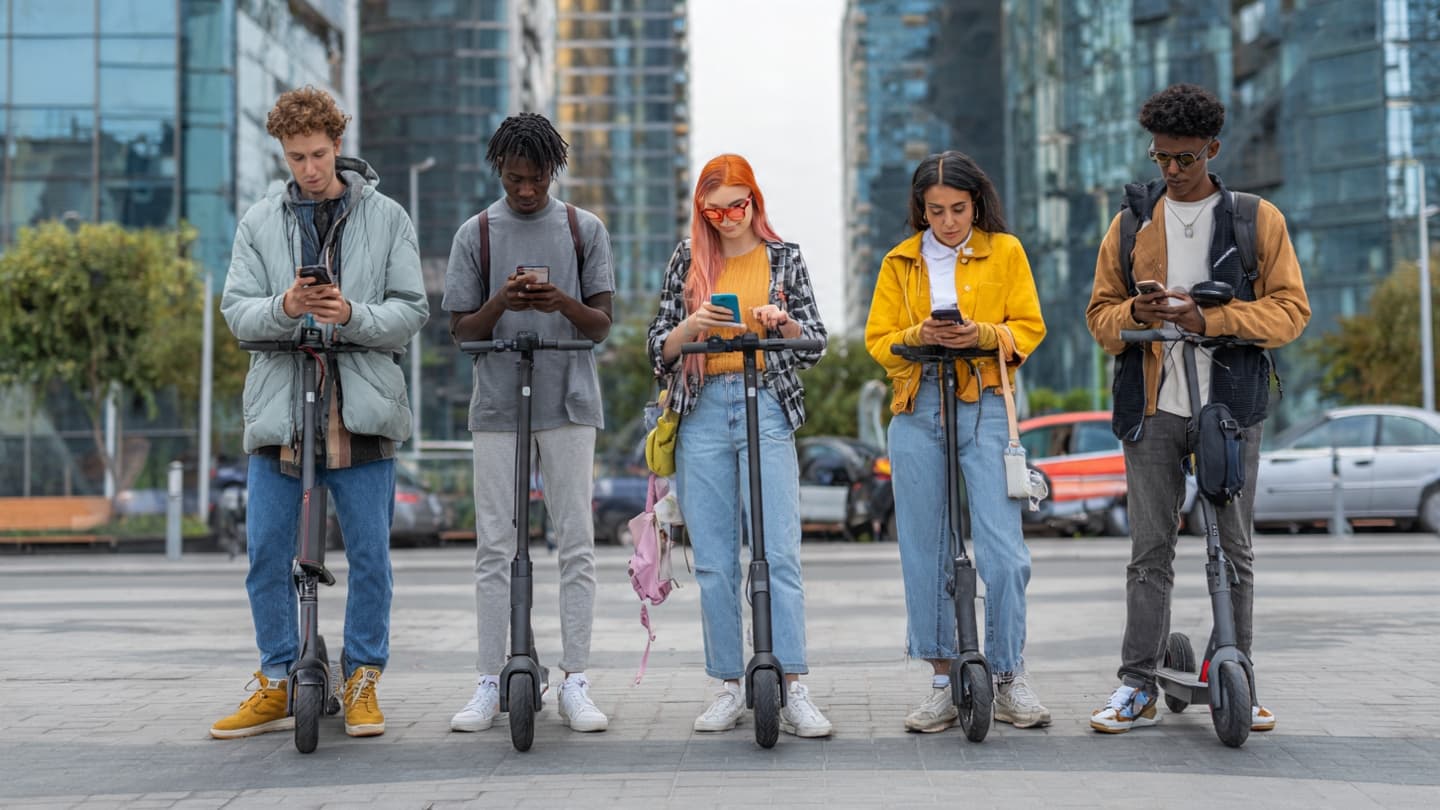
The nature of work has evolved dramatically over the past decade. Increasingly, employment takes place not inside office buildings or factory floors, but through digital platforms that connect workers and customers across cities and continents. As this transformation continues, international policymakers are working to ensure that labor protections evolve alongside technological change.
The International Labour Organization has approved what is being described as the first global standard aimed at addressing conditions within the gig economy. The development marks a significant moment in discussions surrounding the rights and protections of platform-based workers.
Gig economy workers perform a wide variety of tasks, including transportation services, food delivery, freelance consulting, and digital project work. These arrangements often provide flexibility, but they can also raise questions regarding income security, benefits, and workplace protections.
Supporters of the new standards argue that clearer guidelines can help establish fairer conditions while preserving opportunities for innovation. The objective is not necessarily to replace existing business models, but to ensure that workers receive appropriate safeguards.
The rise of digital platforms has reshaped labor markets worldwide. Millions of individuals now rely on app-based work as either a primary source of income or a supplemental economic activity. This growth has prompted increasing attention from regulators and labor organizations.
Employers and platform operators are also closely monitoring the changes. Many companies emphasize the value of flexibility that digital work arrangements provide, while acknowledging the importance of maintaining trust among workers and consumers.
The ILO's decision reflects broader international efforts to adapt labor policy to modern economic realities. As technology continues changing how work is organized, governments and institutions face the challenge of balancing innovation with worker protection.
Labor experts suggest that implementation will vary across countries. National governments will ultimately determine how international standards are reflected within domestic laws and regulations.
The agreement represents an important step in a broader conversation about the future of work. As digital platforms continue expanding, policymakers and businesses alike will be watching closely to see how these new standards influence employment practices around the world.
AI Image Disclaimer: This article includes an AI-generated visual illustration designed for editorial and informational purposes.
Note: This article was published on BanxChange.com and is powered by the BXE Token on the XRP Ledger. For the latest articles and news, please visit BanxChange.com