At the smallest scales of existence, nature reveals a remarkable complexity. Particles invisible to the human eye collide, transform, and interact in ways that shape everything from stars to atoms. Deciphering these interactions has long stood at the heart of modern physics.
A team of researchers has introduced a new analytical technique designed to improve measurements of particle interactions in high-energy physics experiments. The method, known as "Centauric 1-Jettiness," offers scientists another tool for examining collisions occurring within powerful particle accelerators.
High-energy physics experiments, such as those conducted at major research facilities around the world, generate enormous volumes of data. When particles collide at extremely high speeds, they produce sprays of secondary particles known as jets, which researchers must analyze with exceptional precision.
The newly proposed technique focuses on characterizing these jets more effectively. By improving how scientists interpret collision outcomes, researchers hope to achieve more accurate comparisons between experimental observations and theoretical predictions.
Precision measurements play a critical role in particle physics. Even small discrepancies between theory and observation can point researchers toward previously unknown phenomena or reveal limitations within existing models.
Facilities such as the Large Hadron Collider have demonstrated how advances in experimental techniques can lead to major discoveries. Improved analytical methods often prove just as important as hardware upgrades in expanding scientific understanding.
As with all emerging scientific approaches, the new technique will undergo rigorous scrutiny by the international physics community. Independent researchers are expected to test its performance across multiple experimental scenarios.
The work illustrates a broader principle within science: progress frequently emerges through incremental refinements. By sharpening the tools used to study nature, scientists continue moving closer to understanding the universe at its most fundamental level.
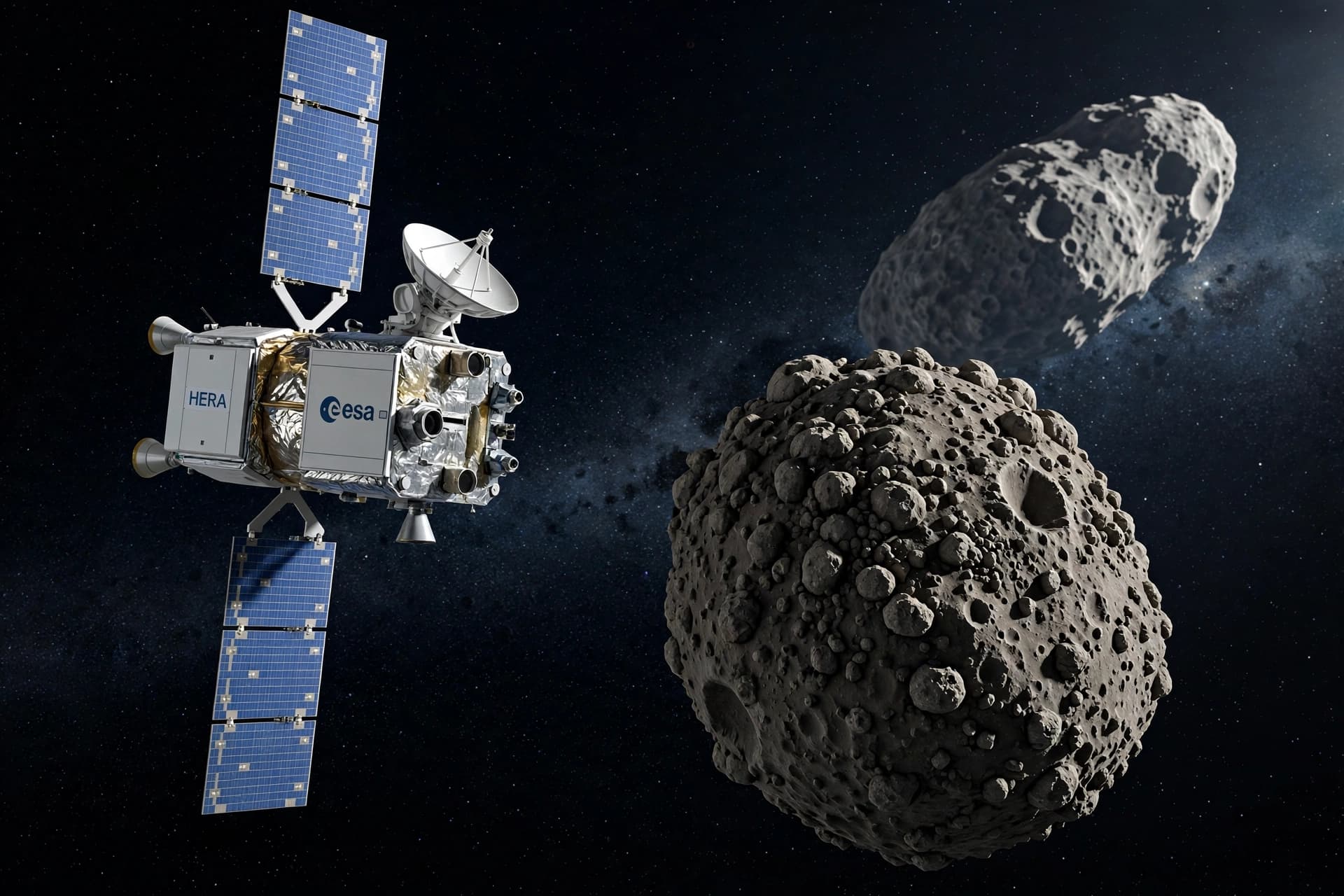
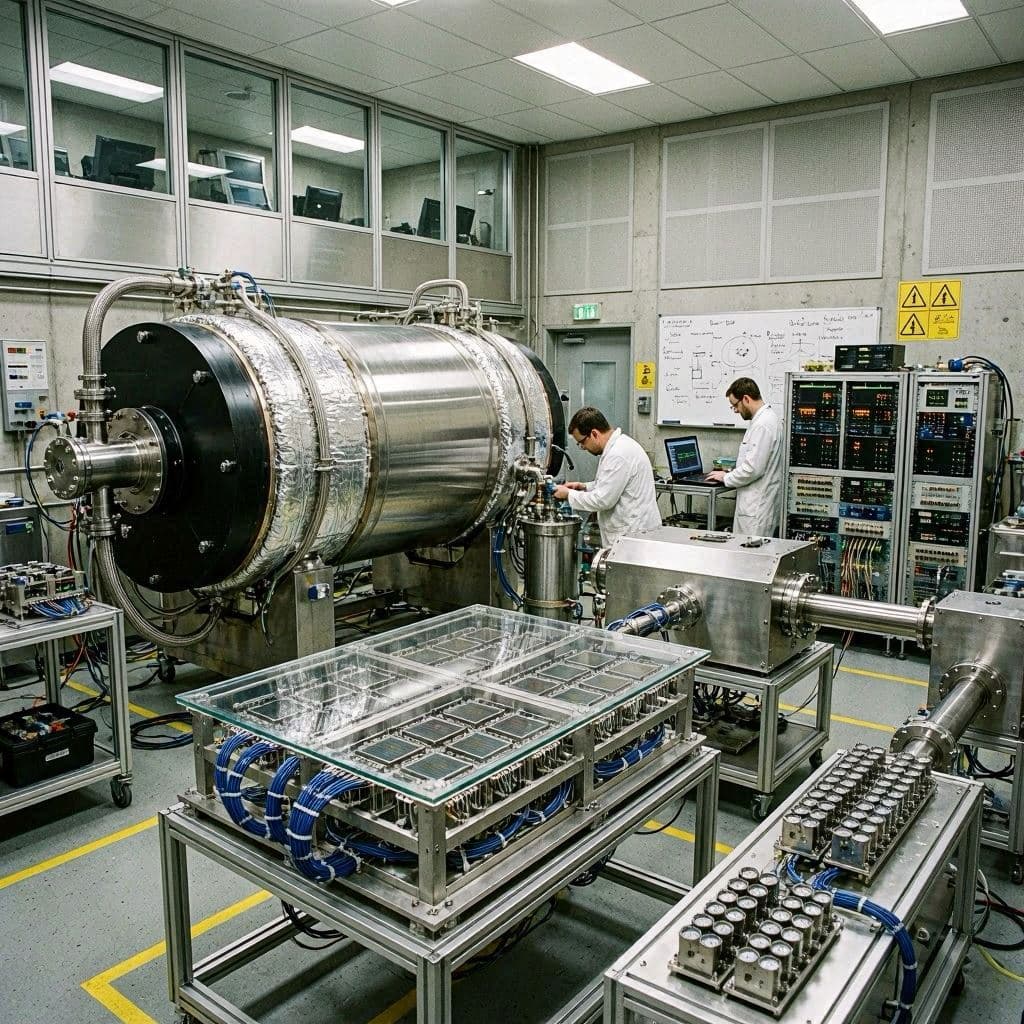
AI Image Disclaimer: Illustrative images associated with this article were generated using AI to visualize scientific concepts and laboratory environments.
Sources: arXiv, CERN, American Physical Society, Nature Physics, Reuters
Published by Banx Network. This article is part of the Banx decentralized media programme, powered by the BXE token on the XRP Ledger.