
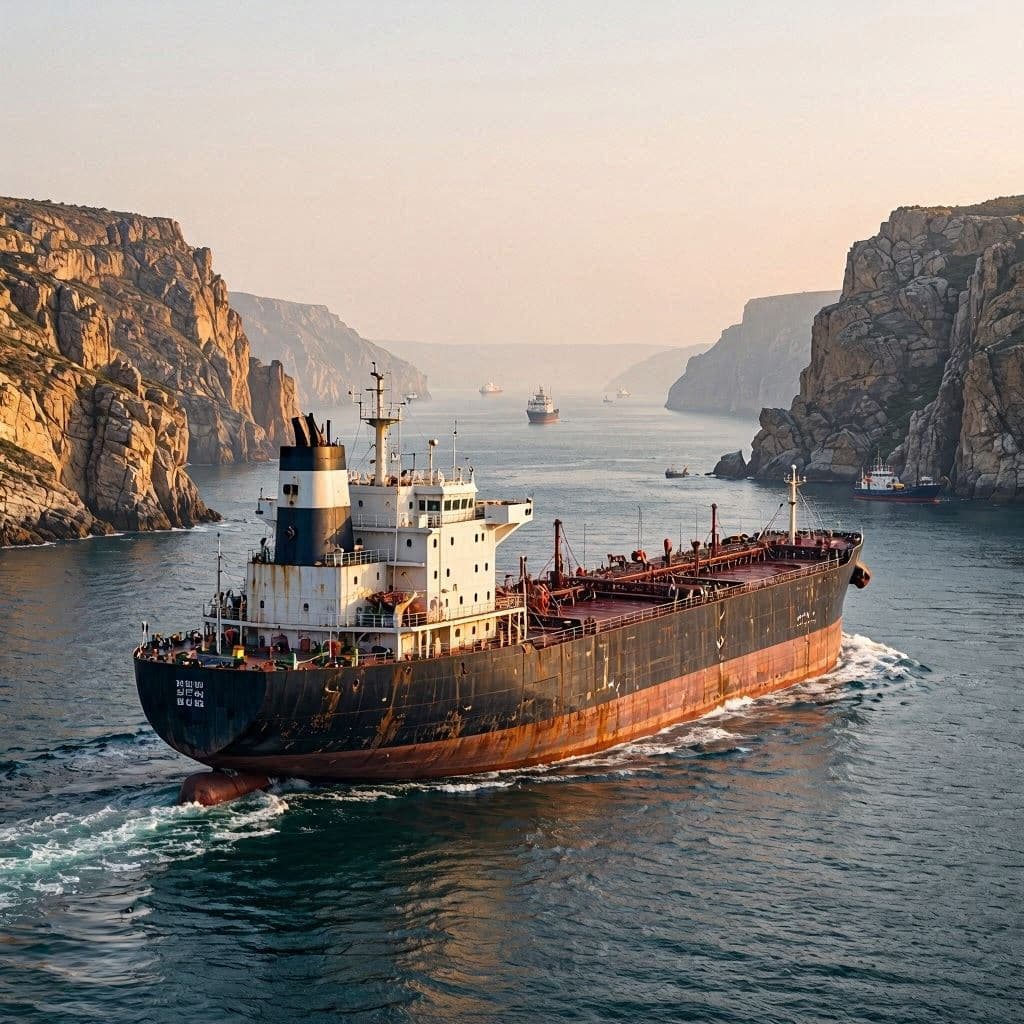
The Strait of Hormuz is a narrow artery of global commerce, where the flow of oil connects the energy-rich Middle East with the rest of the world. In this congested waterway, every movement of a tanker is a calculated decision, balanced against geopolitical tensions and security concerns. Recently, observers have noted a curious pattern: some oil tankers are making unexpected U-turns or altering their routes to pass closer to Iranian waters. This shift in maritime behavior reflects the complex dance of diplomacy, risk, and economics that defines the region. It is a subtle but significant indicator of how global trade adapts to the shifting sands of international relations.
Body: The Strait of Hormuz is one of the world’s most critical chokepoints, through which about 20% of the world’s oil passes. Any disruption here can send shockwaves through global energy markets. Recently, heightened tensions between Iran and Western nations have led to increased military presence and stricter enforcement of navigation rules. In this environment, tanker operators are making strategic decisions to minimize risk. Some vessels, initially heading toward the standard shipping lanes, have been observed changing course, sometimes moving closer to the Iranian coast.
This rerouting is not merely a navigational adjustment but a political statement. By taking the "Iran route," some tankers may be signaling compliance with Tehran’s directives or seeking protection from its naval forces. Others may be avoiding areas perceived as more dangerous due to heightened patrols by opposing forces. The decision to U-turn or alter course is often made in real-time, based on intelligence about military movements and potential threats. This flexibility highlights the precarious nature of maritime security in the region.
The economic implications of these route changes are significant. Longer or more complex routes can increase fuel costs and delivery times, affecting the price of oil globally. Insurance premiums for tankers operating in high-risk zones also rise, adding to the overall cost of transportation. For oil companies, these factors must be weighed against the need to maintain supply chains. The willingness to navigate these waters despite the risks underscores the indispensability of the Strait of Hormuz.
International reactions to these maneuvers have been cautious. Major powers with naval interests in the region, including the United States and its allies, monitor these movements closely. Any deviation from established norms can be interpreted as a provocation or a sign of shifting alliances. Diplomatic channels remain active, with efforts to de-escalate tensions and ensure freedom of navigation. The goal is to prevent misunderstandings that could lead to conflict, maintaining the flow of commerce even amidst political friction.
For the sailors on board these tankers, the experience is one of heightened vigilance. They operate in a space where legal and political boundaries are often blurred. The decision to change course is not taken lightly, as it involves navigating not just physical obstacles but also diplomatic minefields. Their professionalism and adaptability are crucial for the smooth functioning of global trade. The human element of this story is often overlooked but remains central to the narrative.
The broader context of these events is the ongoing struggle for influence in the Middle East. Iran’s ability to disrupt or control traffic in the Strait is a key lever in its regional strategy. By influencing tanker routes, it demonstrates its power and asserts its sovereignty. Conversely, Western nations seek to uphold international law and protect their economic interests. This dynamic creates a constant tension that shapes the daily operations of the shipping industry.
As the situation evolves, the pattern of tanker movements will continue to be a barometer of regional stability. Observers watch for signs of escalation or de-escalation, knowing that even small changes can have large consequences. The Strait of Hormuz remains a focal point of global attention, where the interplay of politics and commerce plays out on the open sea.
Closing: The alteration of tanker routes in the Strait of Hormuz, including some taking paths closer to Iran, highlights the complex geopolitical dynamics of the region. These movements reflect the balancing act between security, economics, and diplomacy. As tensions persist, the flexibility of global trade networks will continue to be tested.
AI Image Disclaimer: The images associated with this article are AI-generated interpretations designed to visualize the context of maritime navigation and geopolitical tension.
Sources: Reuters Associated Press Marine Traffic Al Jazeera
Note: This article was published on BanxChange.com and is powered by the BXE Token on the XRP Ledger. For the latest articles and news, please visit BanxChange.com