
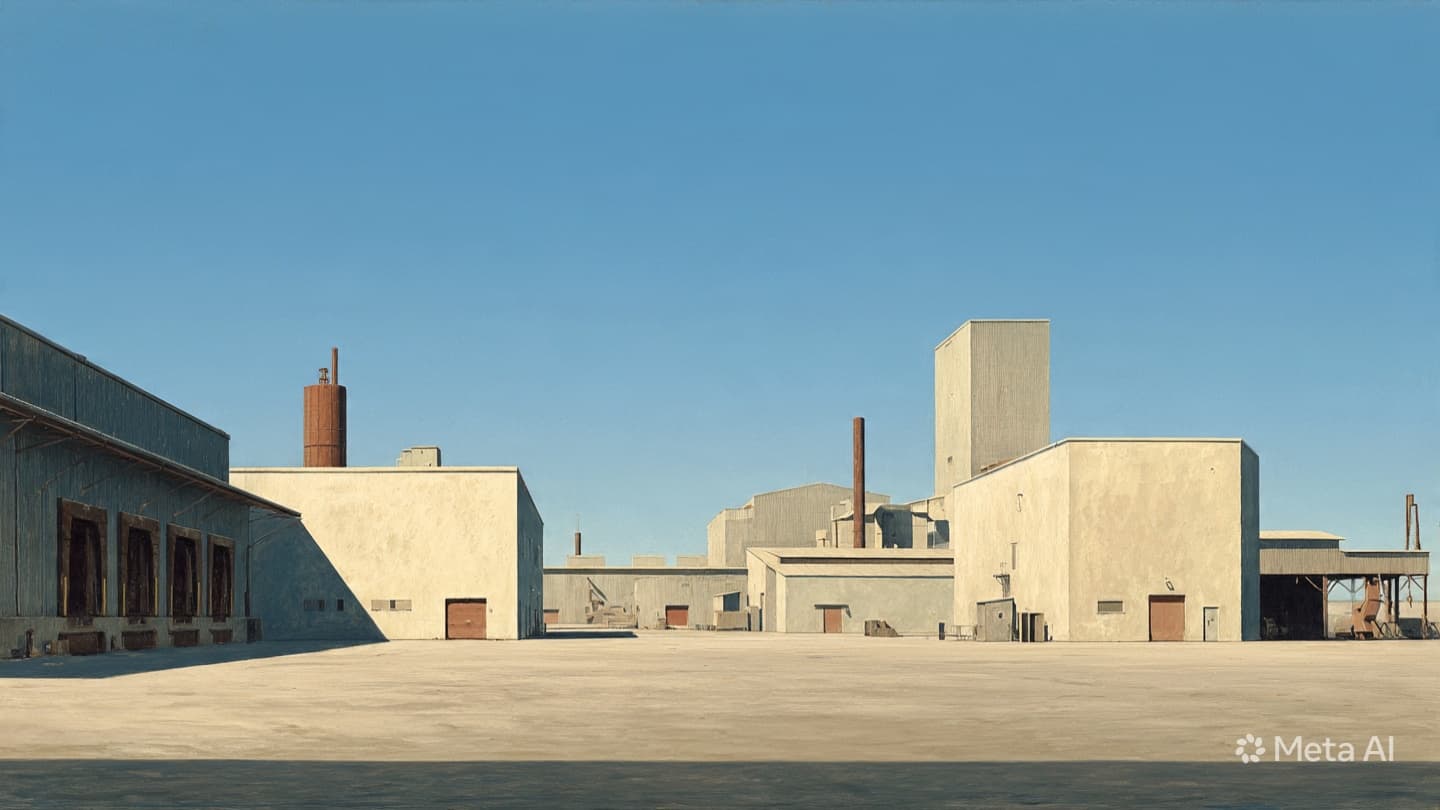
The industrial district is a landscape defined by its own peculiar scale—vast expanses of steel, concrete, and the rhythmic hum of heavy machinery. It is a place where the human presence is often secondary to the flow of goods and the demands of commerce. When the focus of law enforcement shifts to these forgotten, cavernous spaces, the atmosphere changes in subtle but significant ways. The quiet, industrial stillness is interrupted by the deliberate, methodical presence of authorities conducting wide-reaching searches for prohibited items.
These operations are often characterized by an underlying sense of necessity. The sprawling nature of warehouses and the complexity of these zones can sometimes mask activities that require a firm, investigative touch. When police move through these areas, their purpose is not to disrupt the economy, but to clear the peripheral layers where risk tends to accumulate. It is a process of refinement, stripping away the illicit elements that hide within the vast, shadowed corners of the city's manufacturing heart.
For the observer, these searches offer a glimpse into the hidden administrative work of public safety. The logistics are complex; there is a reliance on intelligence, specialized equipment, and the coordination of multiple units. It is not a frantic, cinematic pursuit, but a slow, exhaustive sweep of environments designed for function rather than comfort. The goal is to ensure that these massive hubs remain safe, preventing them from becoming conduits for the types of threats that could spill over into the wider community.
The interaction between the industrial environment and the law enforcement objective creates a unique aesthetic. The visual juxtaposition of uniforms and patrol vehicles against the backdrop of industrial machinery highlights the tension between order and the scale of modern infrastructure. It is a reminder that even the most impersonal, rigid spaces require the oversight of those tasked with the preservation of public peace. The impact of such operations is felt more in the prevention of potential issues than in any sudden, dramatic confrontation.
There is a reflective quality to these sweeps. One is forced to consider the ways in which these districts serve as both the engine of the city and a potential blind spot in its security framework. As the police conduct their searches, they are effectively mapping the vulnerabilities of the city, learning the geography of the industrial landscape in a way that regular commuters and residents never see. It is a necessary exercise, a form of maintenance for the city’s complex, hidden systems.
The outcomes of these operations are typically communicated with the measured, calm language of official reporting. The focus remains on the specific results—the recovery of prohibited items and the stabilization of the area. There is little room for sensationalism; the objective is to convey the systematic nature of the effort and the commitment to maintaining the integrity of these zones. It is a quiet, ongoing battle to ensure that the district remains a place of production, not a site of disorder.
As the operations draw to a close, the district seems to return to its original character, with the movement of freight and the operation of machinery resuming as if the brief interlude had never occurred. The presence of the police fades, leaving behind an environment that is, by measure, a little more secure. It is a cyclical process, an ongoing effort to manage the hidden risks inherent in the size and complexity of these massive commercial zones, ensuring they serve the city's needs without compromising its safety.
The significance of these weapons searches lies in their quiet consistency. They do not represent a sudden crisis, but rather a proactive approach to city management. By engaging with these spaces directly, the authorities demonstrate a commitment to the principle that public safety extends into every corner of the environment, regardless of how utilitarian or impersonal it may seem. The industrial district, with all its steel and shadows, remains a fundamental part of the city, and its security is a reflection of the commitment to peace across the entire urban landscape.
Note: This article was published on BanxChange.com and is powered by the BXE Token on the XRP Ledger. For the latest articles and news, please visit BanxChange.com