
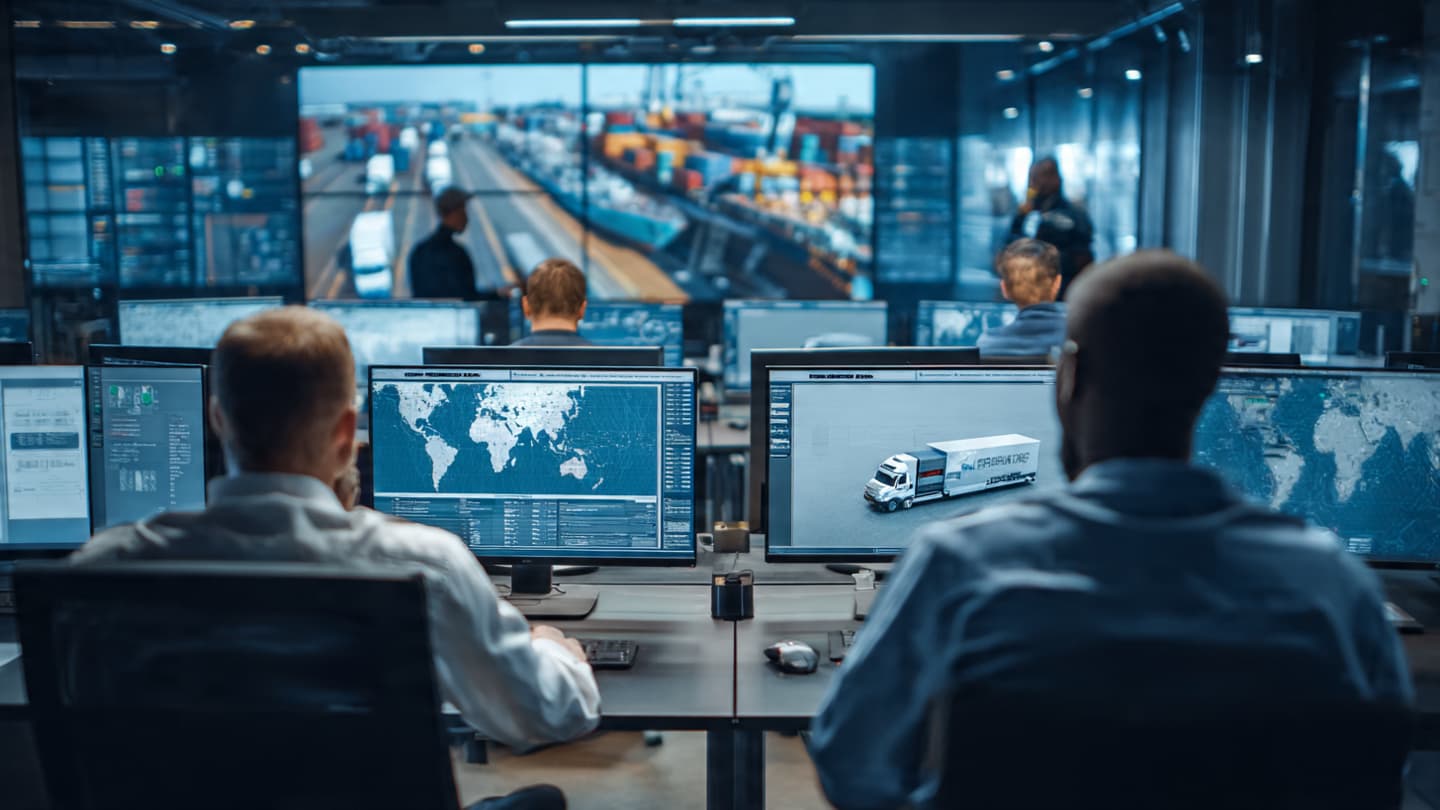
Modern commerce often depends on movements that remain largely unseen. Ships crossing oceans, energy flowing through networks, and goods traveling across continents form the foundation of economic activity. When these systems operate smoothly, businesses rarely notice them. Yet when disruptions emerge, their importance quickly becomes impossible to ignore. Across France, companies are increasingly confronting challenges linked to rising energy prices and ongoing disruptions affecting global shipping routes.
The issue extends across numerous sectors. Manufacturers depend on reliable energy supplies to power factories, while retailers rely on international logistics networks to stock shelves and deliver products. When costs increase or transportation becomes less predictable, businesses face difficult decisions regarding pricing, investment, and operations.
Energy prices remain a central concern. Although conditions have stabilized compared with some previous periods of volatility, uncertainty continues to influence markets. Businesses must account for fluctuations when planning budgets and forecasting future expenses. For energy-intensive industries, even modest increases can significantly affect profitability.
Shipping disruptions create an additional layer of complexity. Global trade routes have faced challenges arising from geopolitical tensions, security concerns, and logistical bottlenecks. Longer transit times and higher transportation costs can affect supply chains, particularly for companies dependent on imported materials or international exports.
French manufacturers are among those closely monitoring developments. Delays in receiving components or raw materials can influence production schedules and inventory management. Companies often respond by increasing stock levels, diversifying suppliers, or seeking alternative transportation options, though such measures may involve additional costs.
The retail sector also feels the impact. Products sourced from international markets can become more expensive or arrive later than expected. Businesses must balance customer expectations with the realities of changing logistics conditions, often requiring greater flexibility and planning.
Despite these challenges, many organizations have strengthened their resilience since previous periods of global disruption. Lessons learned from supply chain interruptions and energy market volatility have encouraged businesses to develop contingency plans and improve operational flexibility.
Economists note that resilience has become a strategic priority rather than a temporary response. Companies increasingly view supply chain diversification, energy efficiency, and risk management as essential components of long-term competitiveness. These investments may help reduce vulnerability to future disruptions.
France’s position as a major European economy provides important advantages. Strong infrastructure, diversified industries, and access to regional markets help businesses navigate periods of uncertainty. While challenges remain, the country continues to benefit from economic strengths that support adaptation and recovery.
As energy costs and shipping disruptions continue to shape the business environment, French companies are demonstrating the importance of flexibility in an interconnected world. The challenges may alter routes and increase costs, but they also encourage innovation, preparation, and resilience. In the evolving landscape of global commerce, those qualities may prove as valuable as the goods moving through the supply chains themselves.
AI IMAGE DISCLAIMER
Visuals are created with AI tools and are not real photographs.
SOURCE CHECK
Reuters Financial Times Bloomberg AFP Les Echos
Note: This article was published on BanxChange.com and is powered by the BXE Token on the XRP Ledger. For the latest articles and news, please visit BanxChange.com