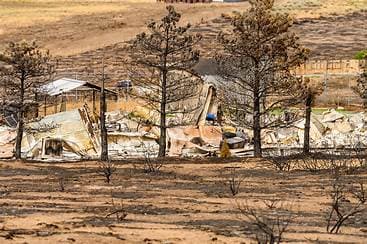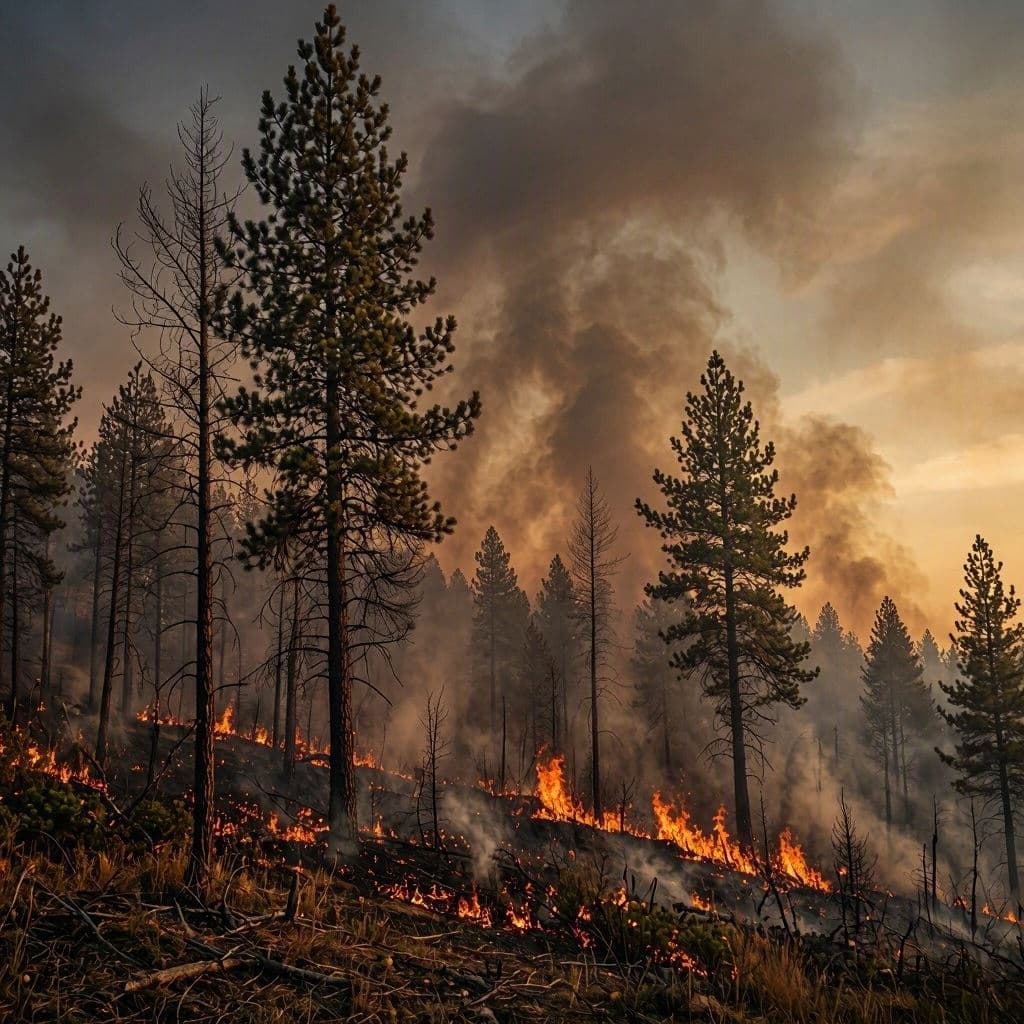
The forests of British Columbia, usually a sanctuary of green tranquility and cool air, have recently become a theater of smoke and urgency. As wildfires rage through the province’s interior, thousands of residents have been forced to leave their homes, seeking safety in evacuation centers far from the flames. In response to this growing crisis, the Canadian federal government has announced it will provide assistance to the province, acknowledging the scale of the disaster and the need for a unified national response. This moment of collective action highlights the fragility of our natural environment and the importance of solidarity in times of trouble. It is a reminder that when nature’s power exceeds local capacity, community extends beyond borders.
The fires, fueled by dry conditions and strong winds, have spread rapidly across several regions, destroying homes and threatening critical infrastructure. Provincial authorities declared a state of emergency, mobilizing firefighting resources and coordinating with local governments to manage evacuations. The speed of the blaze has caught many off guard, underscoring the increasing unpredictability of wildfire seasons in a changing climate. For those displaced, the loss is not just material but emotional, as they leave behind memories and a sense of security.
Federal assistance comes in various forms, including financial support, logistical aid, and additional personnel. The Canadian Armed Forces and other federal agencies are working alongside provincial teams to enhance firefighting efforts and support evacuated communities. This collaboration is essential for managing the complex logistics of disaster response, from providing shelter to ensuring the supply of essential goods. It demonstrates the strength of Canada’s federal system in addressing large-scale emergencies.
For the firefighters on the front lines, the work is exhausting and dangerous. They battle intense heat and unpredictable wind shifts, often working long hours with little rest. Their bravery and dedication are a source of inspiration for the entire nation. Many are volunteers or come from other provinces and even other countries, united by a common purpose to protect lives and property. Their efforts are a testament to the human spirit’s resilience in the face of adversity.
The impact on Indigenous communities has been particularly severe, with several First Nations under evacuation orders. These communities, often located in remote areas, face unique challenges in accessing resources and support. Federal and provincial governments are working closely with Indigenous leaders to ensure that their specific needs are met and that cultural protocols are respected during the evacuation process. This partnership is crucial for effective and compassionate disaster management.
As the fires continue to burn, the focus remains on containment and public safety. Authorities urge residents to stay informed through official channels and to follow evacuation orders promptly. The risk of air quality degradation also poses health concerns, particularly for vulnerable populations. Staying indoors and using air purifiers can help mitigate these risks, allowing communities to cope with the immediate environmental hazards.
The federal assistance offered to British Columbia marks a significant step in managing the ongoing wildfire crisis. As evacuations continue and firefighting efforts intensify, the hope is for a swift containment of the blazes and a safe return for displaced residents. The situation underscores the need for continued investment in fire prevention and climate adaptation strategies.
AI Image Disclaimer: The visual elements accompanying this report are AI-generated interpretations designed to reflect the environmental and emergency context of the story.
Sources: Reuters PBS NewsHour EmergencyInfoBC
Note: This article was published on BanxChange.com and is powered by the BXE Token on the XRP Ledger. For the latest articles and news, please visit BanxChange.com