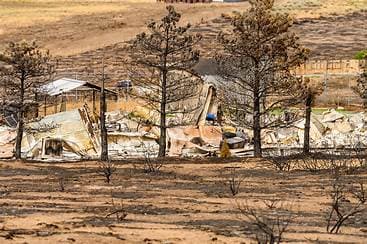
The power of the ocean is immense, capable of shaping coastlines and altering lives in a matter of hours. Recently, Typhoon Dolphin made landfall on China’s eastern coast, bringing with it torrential rain and hurricane-force winds. In preparation for the storm, over one million people were evacuated from vulnerable areas. This massive mobilization highlights the seriousness with which authorities treat such natural disasters. It is a testament to the importance of preparedness and the value placed on human life. The storm’s arrival is a reminder of nature’s unpredictability.
Typhoon Dolphin, the most powerful tropical cyclone to hit the region this year, caused widespread disruption. Flights were cancelled, trains were suspended, and schools were closed. The wind speeds, reaching up to 151 km/h, posed a significant threat to infrastructure and safety. Trees were uprooted, and power lines were downed, leaving many without electricity. The economic impact of such a storm is substantial, affecting businesses and daily routines.
For those who were evacuated, the experience was disruptive and anxiety-inducing. Leaving home with little warning is a stressful event, requiring quick decisions and trust in official guidance. Shelters were set up in schools and community centers, providing food and basic necessities. Volunteers and staff worked around the clock to ensure the comfort and safety of displaced residents.
Meteorologists had tracked the typhoon for days, issuing warnings and updates to keep the public informed. This advanced warning allowed for orderly evacuations and reduced the risk of casualties. The success of these efforts demonstrates the value of scientific monitoring and communication. It saves lives and minimizes damage.
As the storm passed, the focus shifted to cleanup and recovery. Teams worked to clear debris, restore power, and assess damage. The resilience of the communities affected was evident in their willingness to help one another. Neighbors checked on neighbors, and local organizations provided support. This spirit of cooperation is essential for rebuilding.
Climate scientists note that the intensity of typhoons may be increasing due to global warming. Warmer ocean temperatures provide more energy for storms, leading to stronger winds and heavier rainfall. This trend underscores the need for climate adaptation and mitigation strategies. Protecting coastal communities is a long-term challenge.
Over one million people were evacuated as Typhoon Dolphin hit China’s eastern coast, causing significant disruption but minimizing casualties. As recovery begins, the focus remains on restoring normalcy and supporting affected communities. The hope is for continued investment in disaster preparedness.
AI Image Disclaimer: The images provided are AI-generated to visually represent the themes of natural disasters and community resilience.
Sources: Reuters NBC News Al Jazeera
Note: This article was published on BanxChange.com and is powered by the BXE Token on the XRP Ledger. For the latest articles and news, please visit BanxChange.com