For decades, moon missions were defined by brief visits.
Astronauts landed, planted flags, collected samples, and returned home.
But modern lunar exploration is shifting toward something much larger: not simply reaching the — but learning how to live there.
Now has released updated plans describing the kinds of systems future lunar operations may require, placing:
Cargo landers Surface vehicles Autonomous drones Robotic support systems Mobile habitats among the highest priorities for long-term moon development.
The plans form part of NASA’s broader effort to establish sustainable infrastructure supporting future missions under programs connected to Artemis-era exploration goals.
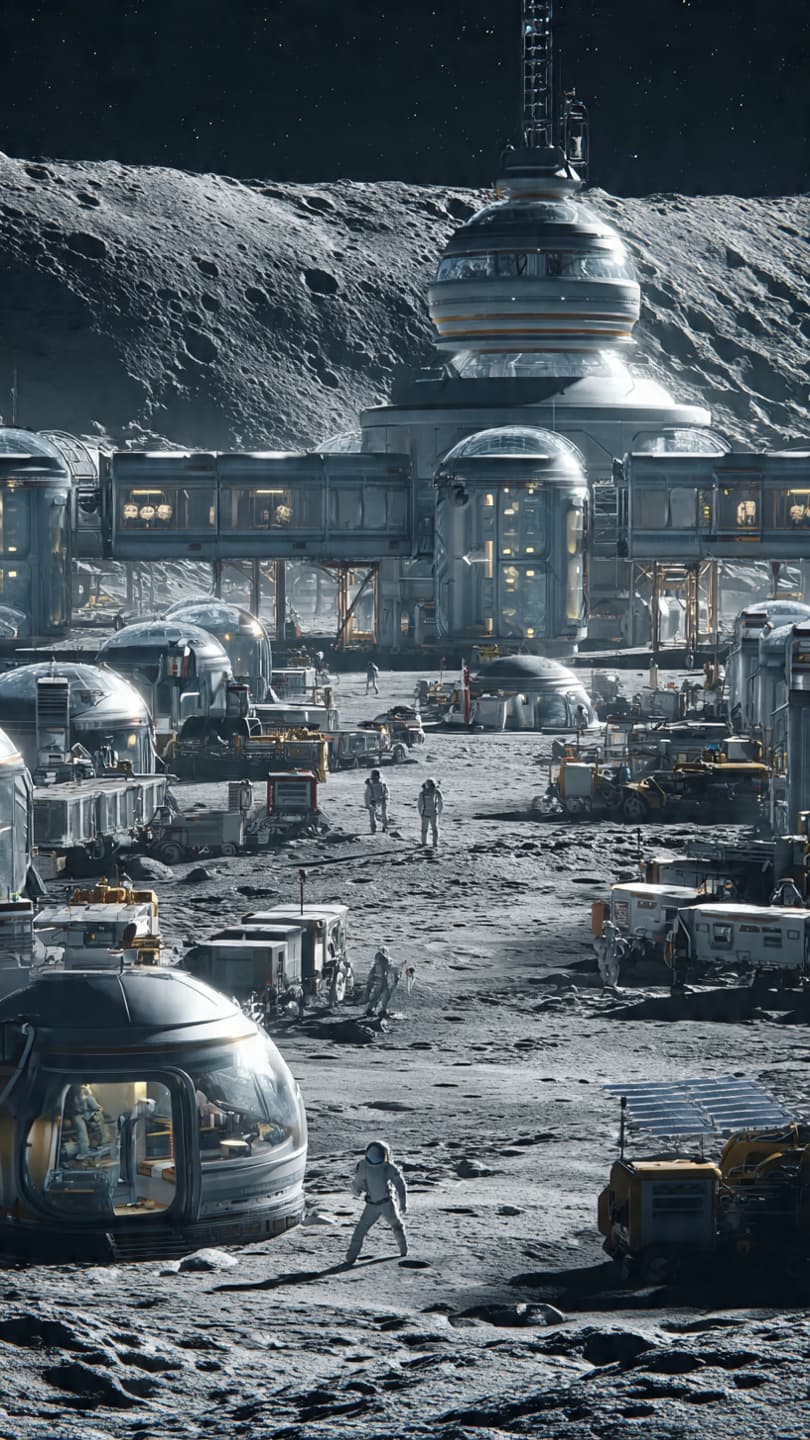
The Moon Base Idea Is Becoming More Practical Unlike the short Apollo missions of the 1960s and 1970s, future lunar operations aim to support:
Longer astronaut stays Repeated missions Scientific infrastructure Resource testing Surface mobility across large distances That requires an entirely different level of logistics.
NASA increasingly views the Moon as:
A long-term research environment A testing ground for Mars missions A platform for deep-space technologies A site for robotic and human cooperation In effect, the goal is evolving from “visiting” the Moon toward building a functioning operational presence there.
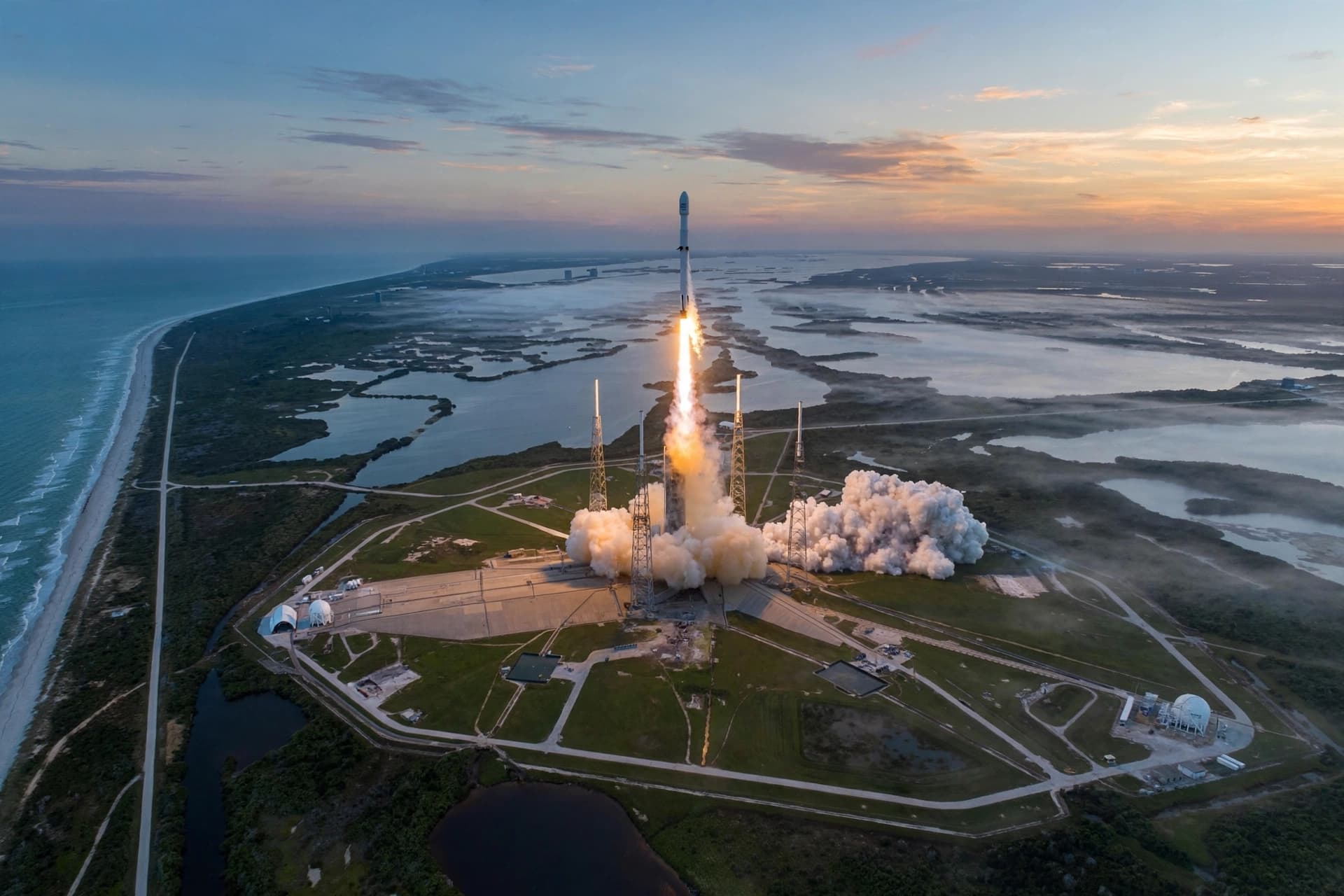
Why Landers Matter So Much One of the biggest challenges in lunar exploration is transportation.
Everything needed for survival must be delivered safely onto the lunar surface, including:
Food Equipment Scientific instruments Power systems Habitats Vehicles Cargo landers therefore become foundational infrastructure.
NASA’s future concepts include systems capable of transporting increasingly heavy payloads to support larger surface operations over time.
Reliable landing technology is especially important because lunar terrain remains harsh and difficult:
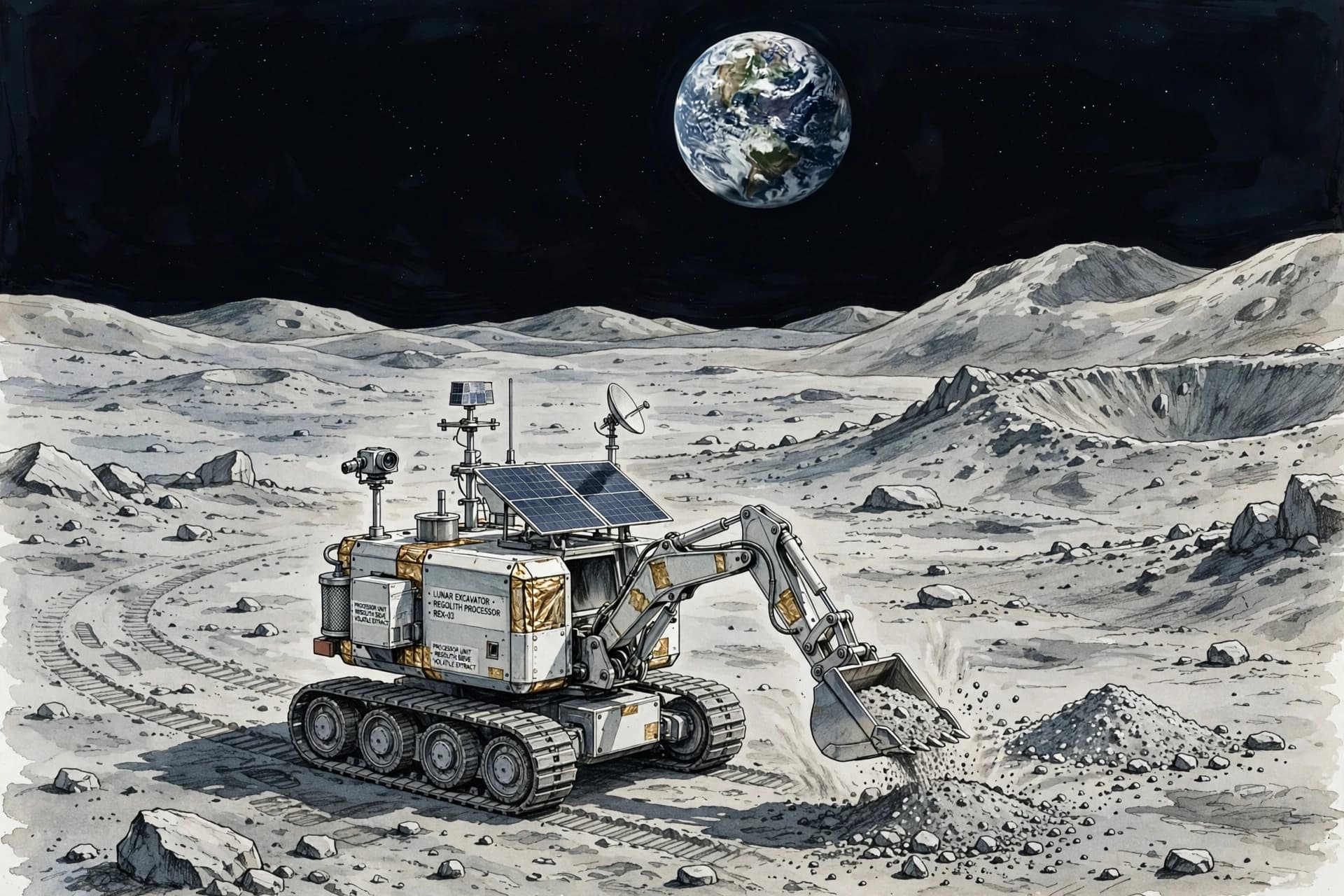
Extreme temperature swings Fine abrasive dust Reduced gravity Rugged crater environments Buggies and Pressurized Rovers Surface mobility also plays a major role in NASA’s vision.
Future astronauts may rely on advanced lunar vehicles for:
Long-distance exploration Scientific fieldwork Cargo movement Emergency transport Some concepts involve pressurized rovers functioning almost like small mobile habitats, allowing crews to travel farther from base locations without immediate return requirements.
These systems resemble a blend of:
Spacecraft Research stations Off-road exploration vehicles The farther humans move across the lunar surface, the more valuable mobility becomes.
Why Drones Could Change Lunar Exploration One particularly fascinating element involves drones and autonomous flying systems.
Although the Moon lacks a dense atmosphere like Earth’s, engineers are exploring specialized aerial or hopping robotic systems designed to:
Explore lava tubes Scout dangerous terrain Map craters Inspect equipment Reach inaccessible regions Robotic drones may become essential companions for astronauts because they can reduce risk while expanding exploration range dramatically.
NASA increasingly sees robotic systems not as replacements for humans, but as force multipliers supporting human missions.
The Moon as a Mars Test Environment Part of the long-term lunar strategy extends beyond the Moon itself.
NASA and partner agencies increasingly view lunar missions as preparation for eventual human missions to .
The Moon offers a nearby environment for testing:
Habitat systems Radiation protection Resource extraction Surface operations Autonomous robotics Psychological endurance during isolation Lessons learned there could shape humanity’s first interplanetary expeditions.
A Wider Reflection The renewed push toward lunar bases reflects something deeper than technological ambition alone.
For most of human history, the Moon represented distance itself: untouchable, silent, permanent in the night sky.
Now engineers discuss it in terms of: cargo systems, surface mobility, power grids, and operational infrastructure.
The shift feels extraordinary because it transforms the Moon from symbol into destination.
Yet the challenge remains immense. Living beyond Earth requires solving countless problems humans evolved never to face naturally.
And perhaps that is what makes the modern lunar effort so compelling: it represents humanity attempting not merely to visit another world, but to extend civilization itself into environments once considered permanently unreachable.
AI Image Disclaimer Images are AI-generated illustrations and are intended for visual representation only, not real-world documentation.
Source Check has outlined long-term lunar surface plans involving cargo landers, robotic systems, pressurized rovers, drones, and infrastructure intended to support a sustainable human presence on the .
Published by Banx Network. This article is part of the Banx decentralized media programme, powered by the BXE token on the XRP Ledger.