Water often appears calmest just before change becomes visible. Along coastlines and lakes, surfaces that seem peaceful can quietly conceal environmental shifts unfolding beneath sunlight and currents. Harmful algae blooms, capable of disrupting ecosystems and threatening public health, have become one of those growing concerns. Now, NASA is turning to artificial intelligence in hopes of detecting these blooms earlier, before they expand across waterways.
The agency is combining satellite imagery, machine learning systems, and environmental monitoring data to improve the detection of algae outbreaks. Scientists say artificial intelligence can help identify subtle patterns in water color, temperature, and biological activity that may signal bloom formation days before the problem becomes severe.
Harmful algae blooms occur when colonies of algae grow rapidly under favorable environmental conditions. Some blooms produce toxins dangerous to fish, marine mammals, and humans, while others reduce oxygen levels in water and damage aquatic ecosystems. Rising temperatures and nutrient pollution have contributed to more frequent outbreaks in several regions worldwide.
NASA researchers explain that traditional monitoring methods often rely on local sampling and delayed analysis. While effective, those approaches may struggle to provide rapid large-scale assessments. AI-assisted satellite analysis, by contrast, can process enormous amounts of environmental data continuously and identify possible risks across vast geographic areas.
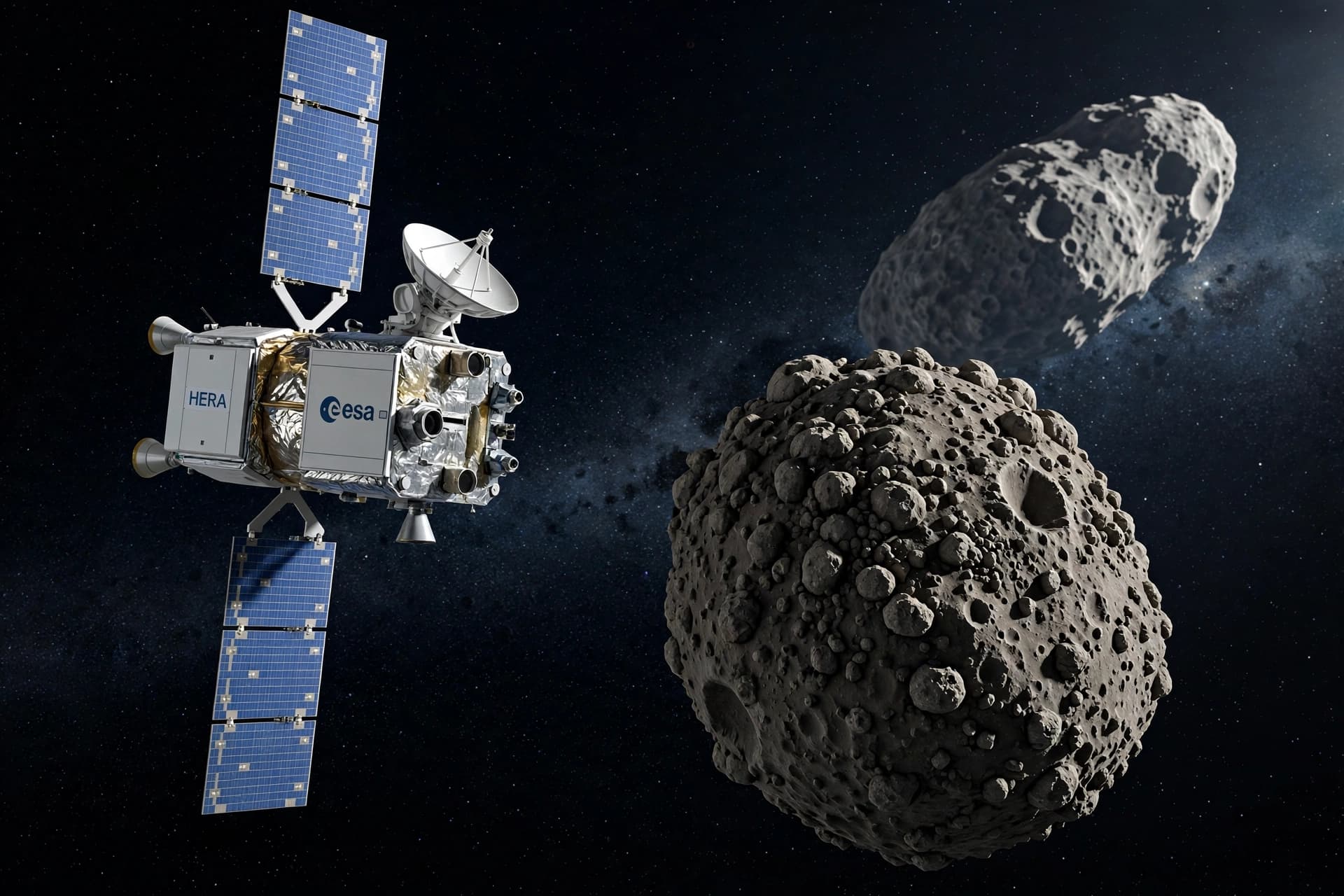
The technology draws from observations collected by Earth-monitoring satellites orbiting high above the planet. These instruments capture detailed images of oceans, lakes, and coastal environments using wavelengths invisible to the human eye. Artificial intelligence models then compare the information against known bloom patterns to estimate where outbreaks may develop.
Scientists emphasize that AI is intended to support, rather than replace, environmental experts. Human researchers still evaluate findings, verify conditions, and coordinate with local agencies responsible for water safety and ecological management. The system functions more like an early-warning network than a fully automated decision-maker.
Communities affected by harmful algae blooms may benefit significantly from earlier detection. Advanced notice can help fisheries, tourism operators, and water authorities respond more effectively, reducing environmental damage and potential health risks. In some areas, blooms have previously forced beach closures and disrupted drinking water supplies.
The project also reflects a broader shift in how artificial intelligence is being applied within environmental science. Beyond commercial and consumer uses, AI increasingly supports climate research, disaster forecasting, conservation efforts, and ecological monitoring. Scientists view these tools as a way to interpret complex natural systems more quickly and accurately.
NASA says the research remains ongoing as engineers refine the models and expand testing across different aquatic environments. For now, the effort represents another example of how space-based technology and artificial intelligence may work together to better observe the changing rhythms of Earth itself.
AI Image Disclaimer: Some visual representations accompanying this report were created using AI-generated environmental artwork.
Sources: NASA, NOAA, Environmental Protection Agency, Nature, Scientific American
Published by Banx Network. This article is part of the Banx decentralized media programme, powered by the BXE token on the XRP Ledger.