
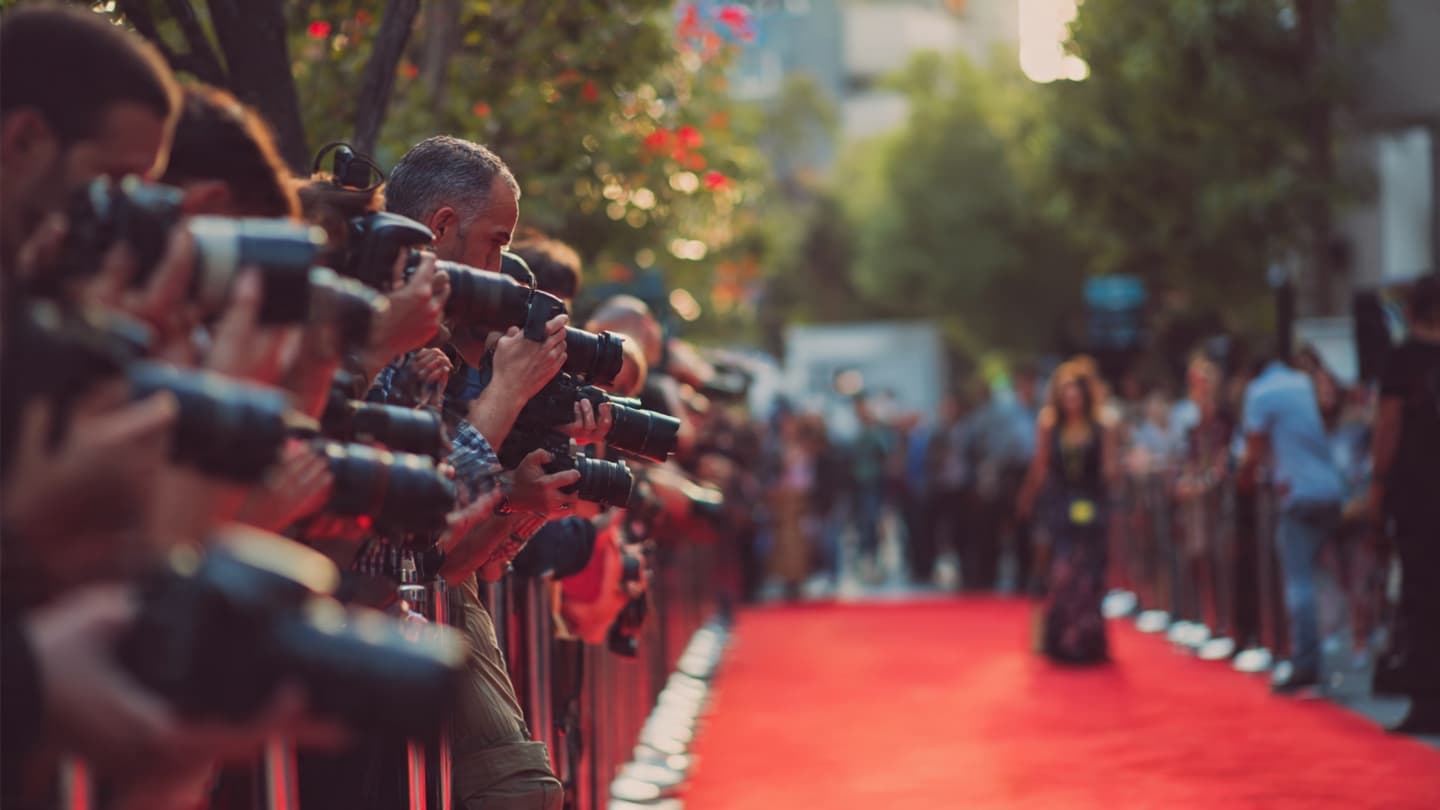
Before audiences discuss films, awards, and critical reviews, another spectacle often captures attention. The arrival of guests on the red carpet transforms a simple walkway into a stage where fashion, creativity, and cultural identity converge beneath countless camera flashes.
At Cannes 2026, that tradition remains as vibrant as ever. Designers, actors, filmmakers, and public figures from around the world have contributed to a showcase that extends far beyond clothing alone. Each appearance represents a blend of personal style, artistic collaboration, and broader industry trends.
Fashion has long been intertwined with major cultural events. International festivals provide opportunities for designers to present new ideas while offering public figures a platform for creative self-expression. Together, they create moments that are widely shared across media and social platforms.
This year’s red carpet featured a wide variety of silhouettes, textures, and influences. Classic tailoring appeared alongside contemporary interpretations, while many ensembles reflected a balance between tradition and experimentation. The diversity of styles demonstrated fashion’s ability to evolve without abandoning its heritage.
Luxury fashion houses continue to play a prominent role in such events. Their partnerships with actors and filmmakers often generate significant visibility, transforming individual appearances into global marketing opportunities. For brands, the red carpet remains one of the most influential showcases available.
Observers also note the growing emphasis on sustainability and responsible production within the fashion industry. Designers increasingly highlight ethical sourcing, environmentally conscious materials, and long-term craftsmanship. These themes have become more visible at international events over recent years.
Social media has further expanded the reach of red carpet fashion. Images and videos circulate globally within moments, allowing audiences far from festival venues to participate in conversations about trends and design choices. Digital platforms have effectively transformed fashion coverage into a real-time international experience.
The fascination with red carpet style extends beyond aesthetics. Clothing often communicates identity, cultural influences, professional milestones, and artistic intentions. Fashion therefore becomes another form of storytelling accompanying the films and performances being celebrated.
Industry analysts view major festivals as valuable indicators of emerging trends. Colors, fabrics, accessories, and design approaches introduced at such events frequently influence broader consumer preferences in subsequent seasons. The impact extends from luxury boutiques to mainstream retail collections.
As Cannes 2026 continues, fashion remains one of the festival’s most visible and widely discussed elements. While films may ultimately define the event’s legacy, the red carpet serves as a reminder that creativity takes many forms—and sometimes begins before the theater doors even open.
AI Image Disclaimer: Illustrations were produced with AI and serve as conceptual depictions.
Source Check Credible sources covering this topic exist:
Reuters Vogue Harper’s Bazaar Variety WWD (Women's Wear Daily)
Note: This article was published on BanxChange.com and is powered by the BXE Token on the XRP Ledger. For the latest articles and news, please visit BanxChange.com