
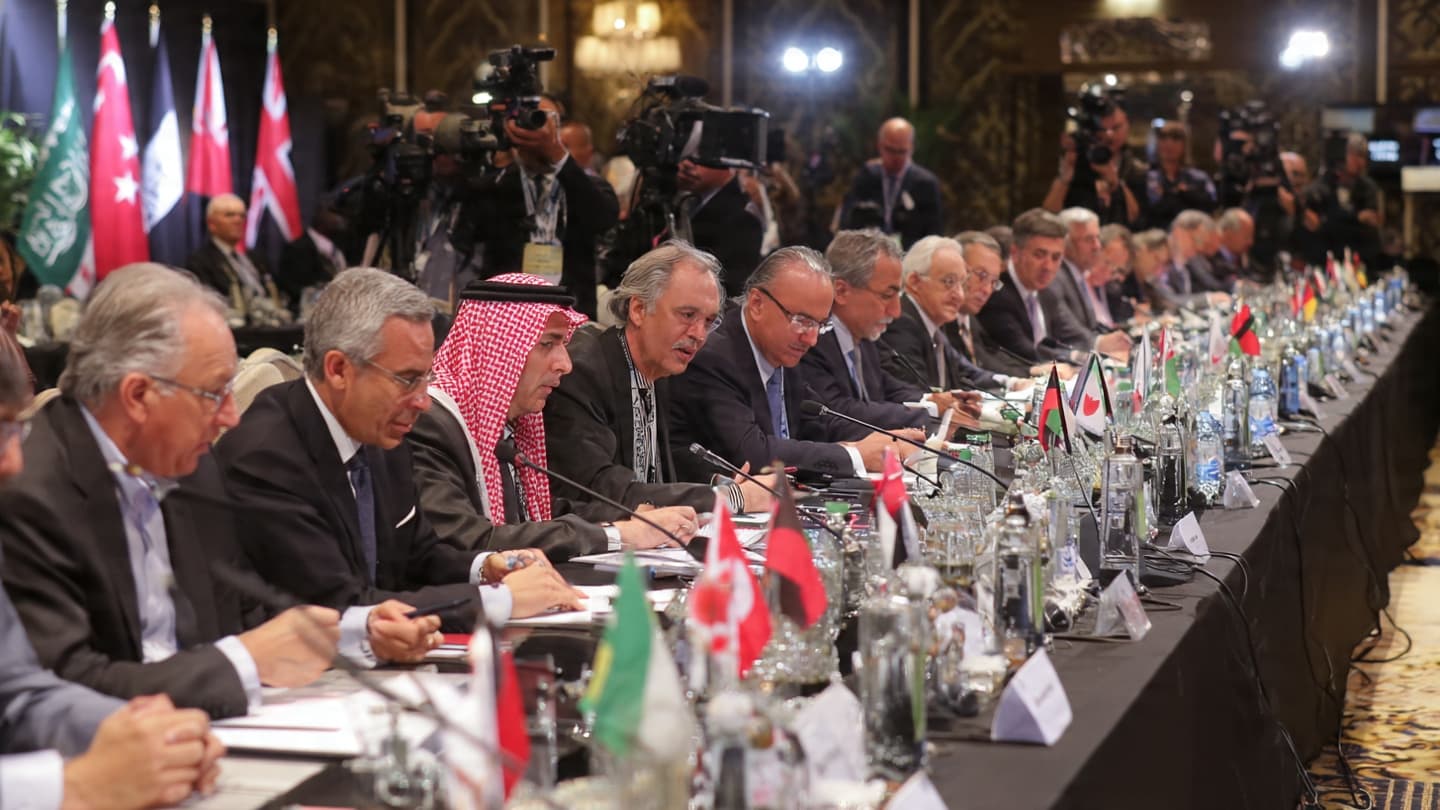
Political rhetoric in times of conflict often moves beyond policy and enters the language of symbolism, warning, and historical narrative. In regions shaped by decades of confrontation, public statements can resonate deeply across borders and communities already carrying layers of tension. Recent remarks attributed to Mojtaba Khamenei regarding Israel drew renewed attention amid ongoing instability in the Middle East.
According to reports, Mojtaba Khamenei stated that Israel was approaching what he described as its “final days,” comments that emerged within the broader context of regional confrontation and political hostility. The statement circulated widely across regional and international media.
Relations between Iran and Israel have remained deeply adversarial for years, involving military tensions, proxy conflicts, intelligence operations, and competing regional influence. Public rhetoric from political and religious figures often reflects the severity of this rivalry.
Analysts note that such statements are frequently aimed at reinforcing political positioning and signaling ideological resolve to domestic and international audiences. In highly polarized geopolitical environments, rhetoric itself can become part of broader strategic communication.
The Middle East continues facing overlapping conflicts involving security concerns, regional alliances, and diplomatic fragmentation. Escalating language between rival actors therefore tends to attract close international monitoring.
Observers also warn that heightened rhetoric may contribute to public anxiety and further complicate diplomatic efforts aimed at reducing regional instability. Governments and international organizations have repeatedly encouraged restraint during periods of heightened tension.
For civilians across the region, prolonged political confrontation often creates a backdrop of uncertainty extending beyond official speeches. Everyday life continues unfolding under the shadow of unresolved geopolitical rivalries and recurring security concerns.
Regional analysts and international observers continue monitoring reactions to the statement amid ongoing developments involving Iran and Israel.
The visuals attached to this article are AI-generated illustrations created for editorial support purposes only.
Sources: Kompas.com, Reuters, Middle East political analysts
Note: This article was published on BanxChange.com and is powered by the BXE Token on the XRP Ledger. For the latest articles and news, please visit BanxChange.com