Wars are often remembered through dramatic moments visible to the world, yet another struggle unfolds quietly behind factory walls and logistics networks far from the battlefield. Every missile launched carries with it a future calculation—how quickly it can be replaced, and whether industrial systems can keep pace with geopolitical uncertainty. Recent analysis surrounding U.S. military operations linked to Iran has brought renewed attention to the long road required to restore depleted munitions stockpiles.
According to defense analysts, the United States may require several years to fully replenish advanced munitions used during operations connected to the Iran conflict. The findings reflect growing concern about the pace of modern weapons production amid rising global military demand.
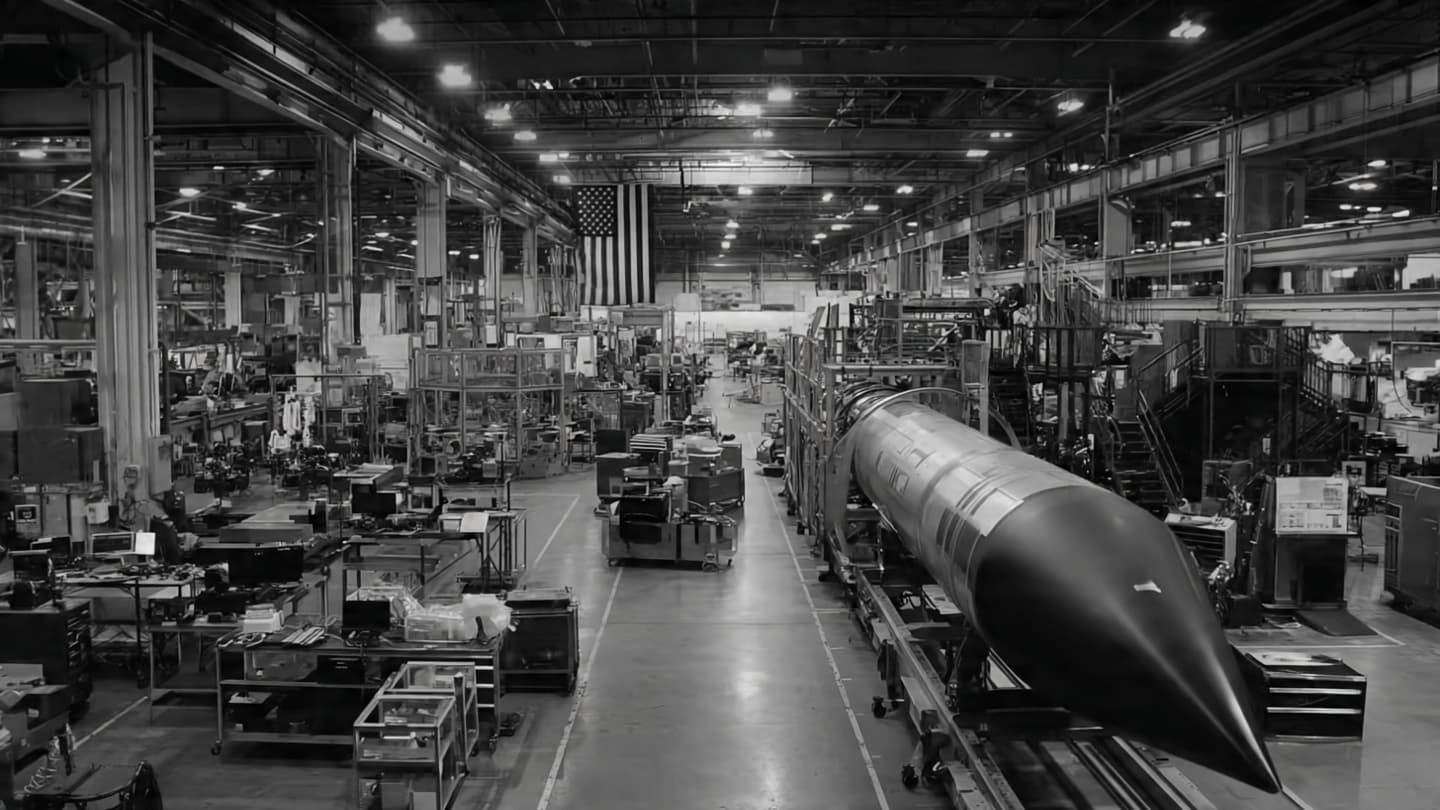
Experts noted that advanced precision-guided munitions rely on highly specialized manufacturing systems involving complex electronics, propulsion technologies, and tightly regulated supply chains. Unlike conventional ammunition produced at large scale during earlier conflicts, many modern weapons require lengthy production timelines and technical assembly processes.
The analysis arrives during a period when Western defense industries are already managing substantial pressure from multiple international crises. Ongoing support for Ukraine, NATO defense planning, and Indo-Pacific security concerns have collectively increased demand for sophisticated military technologies across allied nations.
Defense economists observed that restoring depleted inventories involves more than simply increasing budgets. Expanding production often requires skilled labor, factory capacity, semiconductor availability, and coordination among numerous private contractors and government agencies.
Military officials have repeatedly emphasized the importance of maintaining strategic stockpiles to ensure operational readiness during prolonged periods of instability. Analysts warn that depleted inventories can reduce flexibility in responding to future crises, particularly when several geopolitical flashpoints emerge simultaneously.
Some observers also pointed to the broader implications for international defense partnerships. Allied countries depending on U.S.-produced systems may face procurement delays as Washington prioritizes domestic replenishment and ongoing operational needs.
At the same time, defense manufacturers in the United States have already begun expanding contracts and increasing output in several sectors. Industry leaders say long-term investments are being directed toward improving production capacity, though experts caution that meaningful results may take years to fully materialize.
For now, the analysis underscores a broader reality of modern conflict: military strength is shaped not only by battlefield capability, but also by the endurance and adaptability of industrial systems operating behind the scenes.
AI Image Disclaimer: Some accompanying visuals were generated using AI-assisted illustration tools for editorial presentation.
Sources: Reuters, Defense News, Bloomberg, Associated Press, Financial Times
Published by Banx Network. This article is part of the Banx decentralized media programme, powered by the BXE token on the XRP Ledger.