
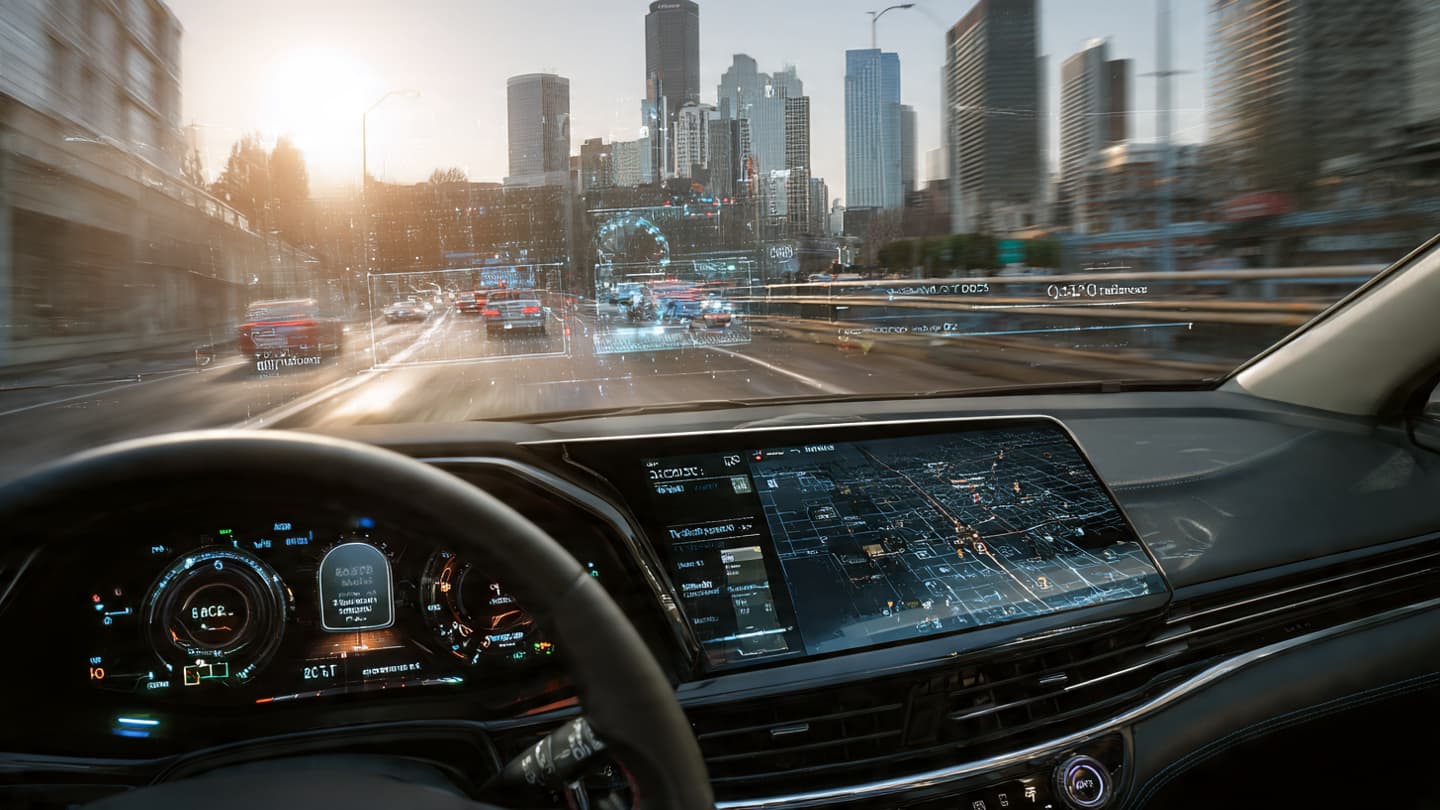
For generations, automobiles represented movement, privacy, and personal freedom. Yet modern vehicles increasingly function less like isolated machines and more like rolling digital devices, quietly collecting information about speed, routes, braking patterns, and driver behavior. A new report has intensified concerns about how much data connected cars may already be sharing.
Public discussion initially centered on fears surrounding Chinese-made vehicles and potential surveillance risks tied to foreign technology. Lawmakers in Washington have expressed concern that advanced automotive systems could collect sensitive data about American drivers and infrastructure.
However, reports involving domestic vehicles have complicated that debate. According to investigations cited widely in media coverage, some American-made cars have reportedly transmitted extensive driving-related information to third-party data brokers and insurance-related services without many consumers fully understanding the scale of collection.
Privacy advocates argue that modern vehicle technology has advanced faster than public awareness. Drivers often consent to lengthy digital agreements during vehicle setup without realizing how much behavioral information may be recorded and shared through connected systems.
Automakers defend many data-sharing practices as tools for improving navigation, safety services, maintenance support, and insurance personalization. Supporters of telematics systems say they can help drivers receive lower insurance rates or faster emergency assistance after accidents.
Critics, however, warn that data transparency remains inconsistent across the automotive industry. Questions continue surrounding who owns driving information, how long it is stored, and whether consumers can meaningfully control how it is distributed.
The issue reflects broader tensions shaping the digital economy. Smartphones, smart televisions, wearable devices, and online platforms already collect large amounts of behavioral data. Connected vehicles may simply represent the next major expansion of surveillance-related concerns into everyday life.
Government regulators in the United States and Europe have gradually increased scrutiny of technology companies and data brokers. Automotive privacy may now emerge as another major area of regulatory attention as cars become increasingly software-driven.
For many drivers, the realization may feel unsettling precisely because cars once symbolized independence and solitude. In the digital era, even an ordinary commute may leave behind far more information than most people ever imagined.
AI Image Disclaimer: Some visuals accompanying this technology report may include AI-generated illustrations for explanatory presentation.
Sources Verified: The New York Times, Reuters, Wired, CNBC
Note: This article was published on BanxChange.com and is powered by the BXE Token on the XRP Ledger. For the latest articles and news, please visit BanxChange.com