War has a way of erasing the boundaries between distant geographies, pulling far-flung conflicts into a single, tangled web of alliances and consequences. In Ukraine, overnight strikes have once again brought death and destruction, claiming at least 12 lives across several regions. But this time, the narrative is complicated by a new allegation: President Volodymyr Zelenskyy claims that Russia used ballistic missiles supplied by North Korea. This development invites reflection on the globalizing nature of modern warfare and the unsettling reality that local tragedies are often fueled by international dynamics. It is a moment where the shadows of one continent fall heavily upon another.
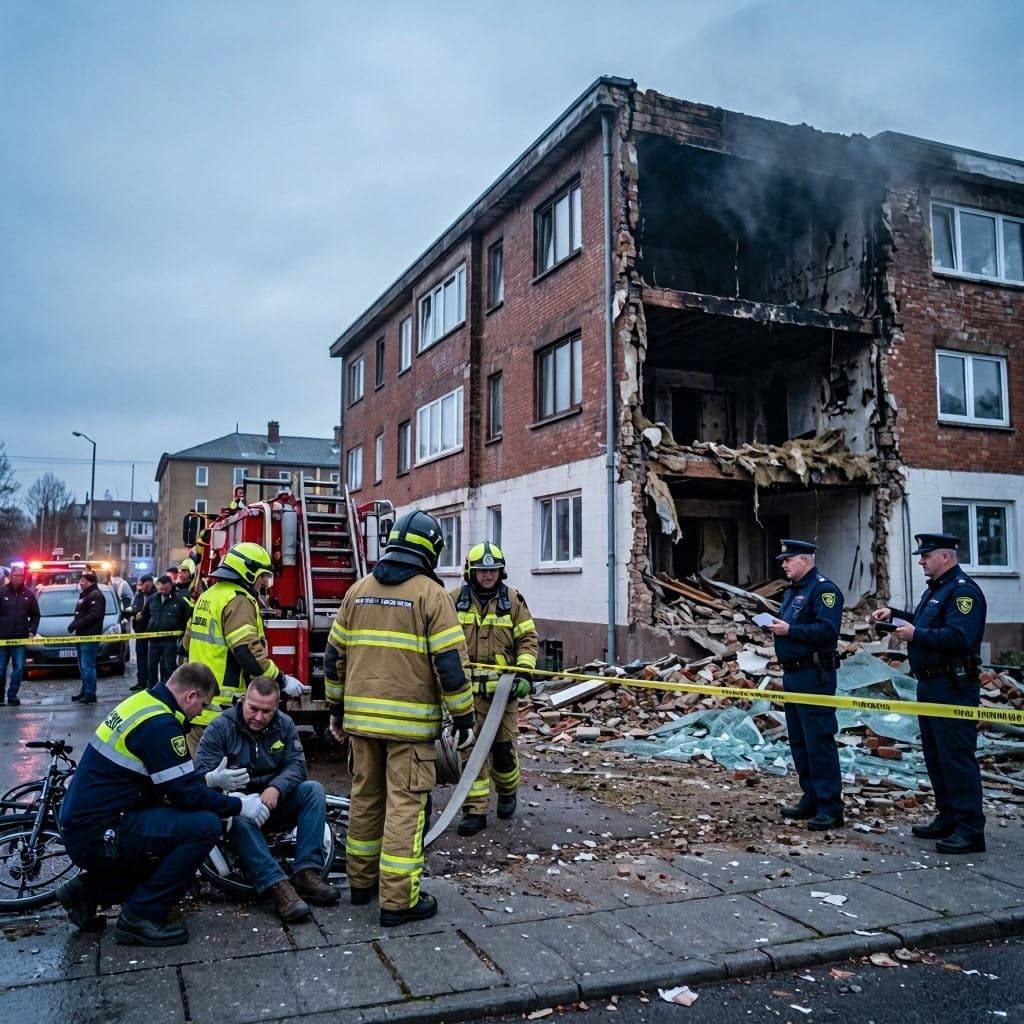
The attacks targeted multiple cities, including Zaporizhzhia in the southeast and areas near Kyiv. Emergency services reported significant damage to residential buildings and critical infrastructure, with rescue teams working tirelessly through the night to pull survivors from the rubble. The human cost is immediate and visceral, measured in lost lives and shattered homes. Grief is the universal language of war.
Zelenskyy’s assertion regarding North Korean missiles marks a significant escalation in the rhetoric surrounding the conflict. He stated that these weapons were used in the strike on Zaporizhzhia, highlighting the deepening military cooperation between Moscow and Pyongyang. If confirmed, this would represent a dangerous expansion of the war’s supply chains, bringing Asian powers more directly into the European theater. Alliances have long arms.
For the international community, the claim raises urgent questions about enforcement of sanctions and non-proliferation treaties. North Korea’s involvement has been suspected for some time, with reports of its troops and munitions aiding Russian efforts. However, the explicit use of their missile technology on Ukrainian soil brings the issue into sharper focus. Diplomacy faces a complex challenge.
In Kyiv, a children’s hospital was also struck, adding a layer of profound sorrow to the day’s events. Images of damaged medical facilities remind the world of the vulnerability of civilians, especially the young, in prolonged conflicts. Protection of such sites is a cornerstone of international humanitarian law, yet violations persist. Innocence bears the heaviest burden.
As daylight breaks over the damaged cities, the focus shifts to recovery and resilience. Ukrainians continue to endure, supported by a steady flow of aid and solidarity from abroad. Yet, the introduction of new weapon systems suggests that the path to peace remains obscured by smoke and geopolitical maneuvering. Hope persists, but it is tested daily.
At least 12 people were killed in Russian attacks across Ukraine, with President Zelenskyy alleging the use of North Korean ballistic missiles. The strikes caused significant damage in Zaporizhzhia and Kyiv. The hope is for an end to the violence and accountability for violations of international law.
AI Image Disclaimer: The visual elements accompanying this report are AI-generated interpretations designed to reflect the conflict and humanitarian context of the story.
Sources: Al Jazeera Associated Press Euronews
Note: This article was published on BanxChange.com and is powered by the BXE Token on the XRP Ledger. For the latest articles and news, please visit BanxChange.com