In a world increasingly defined by digital connectivity and urban density, there is a growing allure to the places where silence reigns supreme and nature displays its raw, unfiltered power. The frozen frontiers of the Arctic and Antarctic regions have long been the domain of explorers and scientists, but today, they are becoming destinations for millions of travelers seeking awe and introspection. This surge in polar tourism is not just a trend but a testament to the human desire to witness the sublime, to stand on the edge of the world and feel the vastness of the ice.
The appeal of these icy landscapes lies in their stark beauty and the unique perspective they offer on our planet’s health. As climate change reshapes these environments, visiting them becomes both a privilege and a responsibility, inviting travelers to engage with the earth in a deeper, more mindful way.
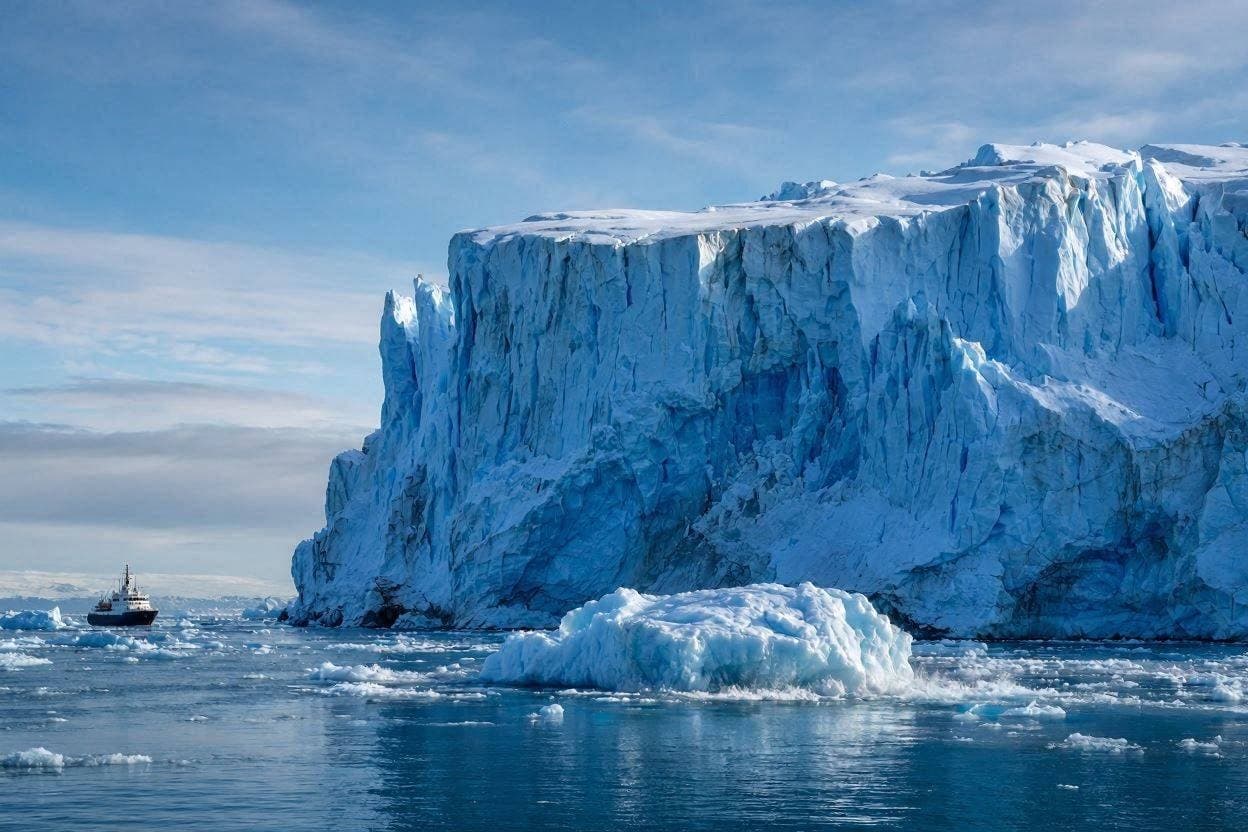
Body: Recent data indicates a significant increase in visitor numbers to polar regions, with cruise lines and expedition companies reporting record bookings. Destinations such as Svalbard, Greenland, and the Antarctic Peninsula are seeing unprecedented demand, driven by a desire for authentic, transformative experiences. Travelers are drawn to the dramatic scenery of glaciers, icebergs, and wildlife, including polar bears, penguins, and whales, which thrive in these extreme conditions.
The growth of polar tourism has been facilitated by advancements in ship technology and infrastructure, making these remote areas more accessible than ever before. Ice-strengthened vessels equipped with modern amenities allow passengers to venture further north and south with greater comfort and safety. This accessibility has democratized polar travel, opening it to a broader demographic beyond the wealthy elite who once dominated these expeditions.
However, this influx of visitors brings challenges. Environmentalists warn that increased human presence can disrupt fragile ecosystems, affecting wildlife behavior and contributing to pollution. Strict regulations are being implemented by international bodies and local governments to mitigate these impacts, including limits on passenger numbers and guidelines for wildlife viewing. Responsible tourism operators are prioritizing sustainability, educating guests on how to minimize their footprint.
For many travelers, the experience is educational as well as recreational. Guided tours often include lectures by scientists and naturalists, providing insights into climate science and conservation efforts. This educational component transforms the trip from a mere vacation into a learning opportunity, fostering a deeper understanding of global environmental issues. Visitors leave with not just photos but a heightened awareness of the planet’s vulnerability.
The economic benefits for local communities in the Arctic are also significant. Tourism provides jobs and supports local businesses, from hotels to guide services. For indigenous populations, it offers a platform to share their culture and traditions with the world, promoting cross-cultural understanding. However, balancing economic gain with cultural preservation and environmental protection remains a complex task.
Social media has played a role in popularizing these destinations, with stunning images of ice caves and auroras inspiring wanderlust. While this visibility raises awareness, it also risks turning sensitive areas into viral backdrops rather than respected natural habitats. Travelers are encouraged to approach these sites with reverence, prioritizing respect for nature over the perfect photograph.
Closing: As millions continue to flock to the frozen frontiers, the focus must remain on sustainable practices and respectful engagement. These icy realms are not just tourist attractions but vital components of the Earth’s climate system. By traveling responsibly, visitors can help preserve these wonders for future generations, ensuring that the silence and beauty of the poles endure.
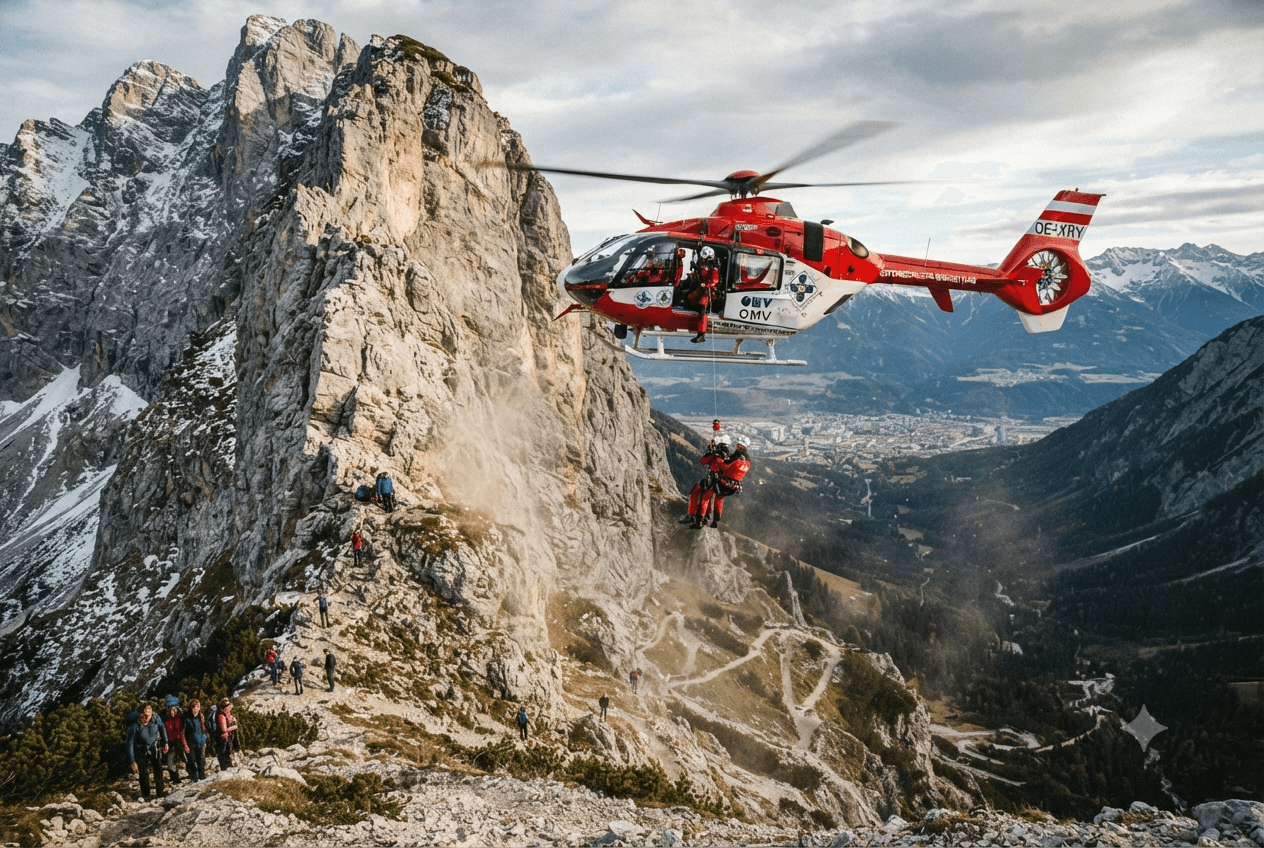
AI Image Disclaimer: The visual content associated with this article is generated by artificial intelligence to illustrate the thematic elements of polar exploration and natural beauty, and does not represent specific photographs of actual tourist destinations or crowds.
Sources: National Geographic CNN Travel The Guardian
Note: This article was published on BanxChange.com and is powered by the BXE Token on the XRP Ledger. For the latest articles and news, please visit BanxChange.com