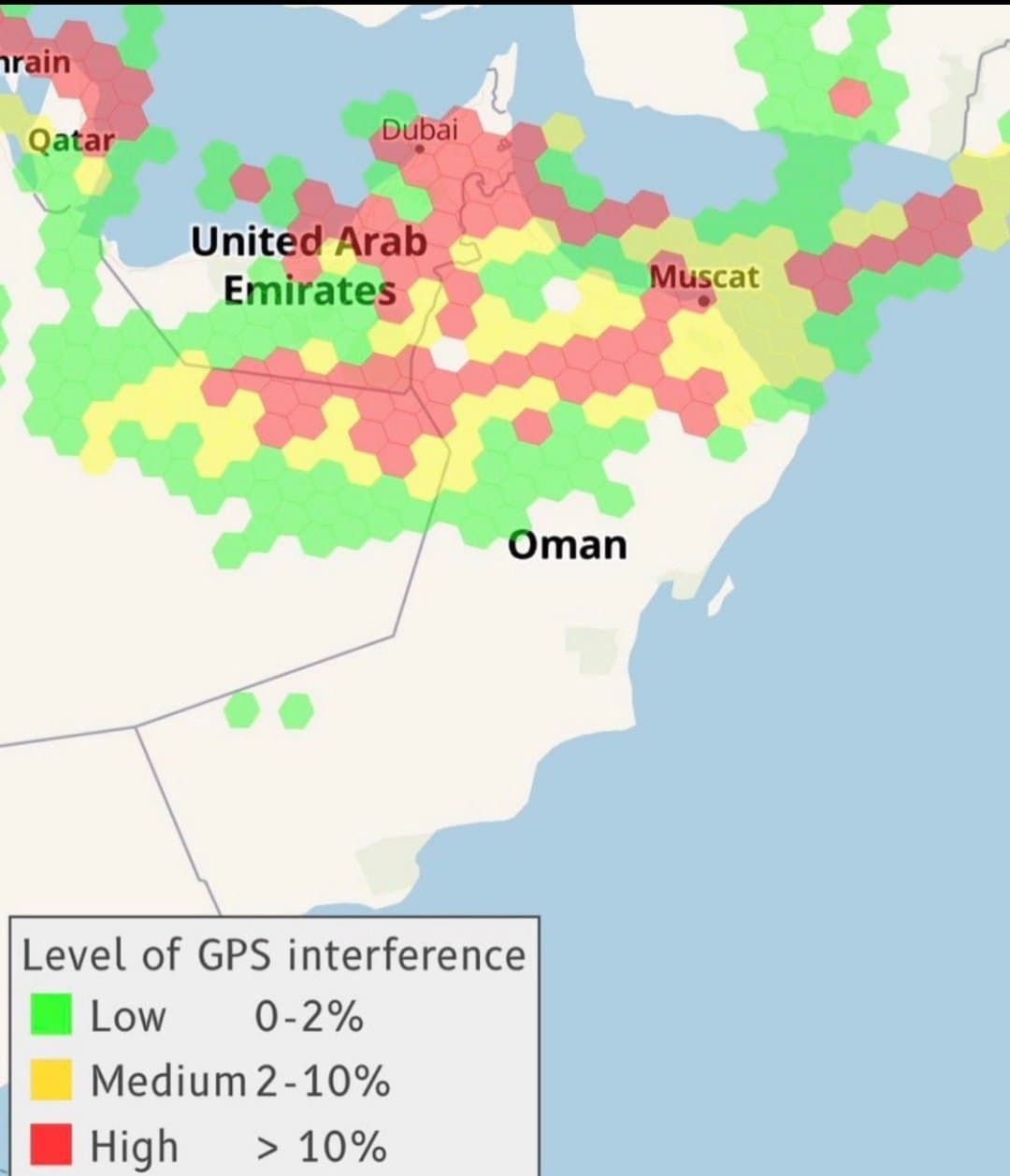
Fresh geopolitical concerns are rippling across financial markets and international security circles after reports emerged suggesting growing military preparedness linked to possible developments involving Iran. Social media activity, aviation tracking discussions, GPS interference monitoring and reports of changing military schedules have added to speculation that regional tensions may be entering a more serious phase. One of the strongest talking points came after online reports claimed some United States military personnel adjusted or canceled Memorial Day weekend plans amid concerns surrounding potential developments in the Middle East. While social media frequently amplifies rumors before official confirmation arrives, military movement discussions quickly captured public attention and triggered wider debate across geopolitical and financial communities. Additional concern developed around GPS interference tracking maps circulating online. Images shared widely showed elevated navigation disruption levels across sections of the Gulf region near the United Arab Emirates and Oman. GPS interference has increasingly become a modern indicator analysts monitor during periods of heightened military activity because navigation systems are critical for aviation, shipping logistics and defense operations. Experts often caution that GPS disruption alone does not confirm military escalation. Interference can emerge from multiple factors, including electronic warfare testing, signal congestion or defensive countermeasure systems. However, when combined with increased geopolitical speculation, such disruptions often receive greater scrutiny from intelligence observers and market participants. Financial markets historically react quickly when uncertainty emerges around strategically important energy regions. The Middle East remains central to global oil flows, shipping infrastructure and international trade corridors. Even limited instability can influence commodity pricing expectations, currency movement and broader investor sentiment. Cryptocurrency communities also moved rapidly to interpret developments. Digital asset traders increasingly monitor geopolitical risk alongside traditional macroeconomic indicators. During periods of uncertainty, capital sometimes rotates toward perceived alternative assets, though volatility often rises simultaneously. Separately, broader economic developments continue shaping global market narratives. Reports highlighting major investment inflows into Chinese equities have demonstrated that international capital positioning remains highly dynamic despite geopolitical concerns. Investors are simultaneously balancing inflation expectations, interest-rate outlooks, regional conflict risks and evolving trade relationships. Military analysts frequently emphasize that preparedness measures do not necessarily indicate imminent action. Defense institutions routinely adjust readiness postures based on intelligence assessments, regional developments and contingency planning requirements. Changes in scheduling or operational readiness can reflect precaution rather than certainty. Information environments have also changed dramatically during modern geopolitical events. Social media platforms now distribute developments globally within seconds, creating situations where fragmented information spreads faster than official verification. This accelerates public awareness but also increases the challenge of separating confirmed developments from speculation. Global markets, intelligence communities and political observers will likely continue monitoring developments closely in coming days. Navigation disruptions, military positioning indicators and diplomatic communications may all remain focal points for analysts attempting to understand whether current signals represent precautionary planning or the early stages of a more significant geopolitical shift. For investors and market participants, uncertainty itself frequently becomes a market-moving force. Even without direct escalation, changing expectations can influence trading behavior, risk appetite and capital allocation decisions worldwide. With geopolitical sensitivity elevated and information moving faster than ever before, international attention remains firmly fixed on developments that could shape security conditions and economic sentiment far beyond the Middle East.
Published by Banx Network. This article is part of the Banx decentralized media programme, powered by the BXE token on the XRP Ledger.