Morelia, Mexico—Five people died Thursday morning following an intensive gunbattle between rival criminal groups in a remote agricultural zone of Michoacán. State security forces confirmed the fatalities hours after local residents reported sustained automatic gunfire echoing across the valley. The clash underscores the persistent failure of federal containment strategies in western Mexico. Local police units struggled to reach the engagement site due to secondary roadblocks erected by fleeing combatants.
The confrontation erupted just before dawn near an isolated ranch outside Apatzingán. Heavily armed cells belonging to competing factions traded thousands of rounds using high-caliber weaponry. Shell casings littered the dirt tracks connecting several small farming communities. Witnesses stayed inside, listening to the mortar-like reports of rifles reverberating through the orchards. No military patrols were stationed within a twenty-mile radius when the fighting began.
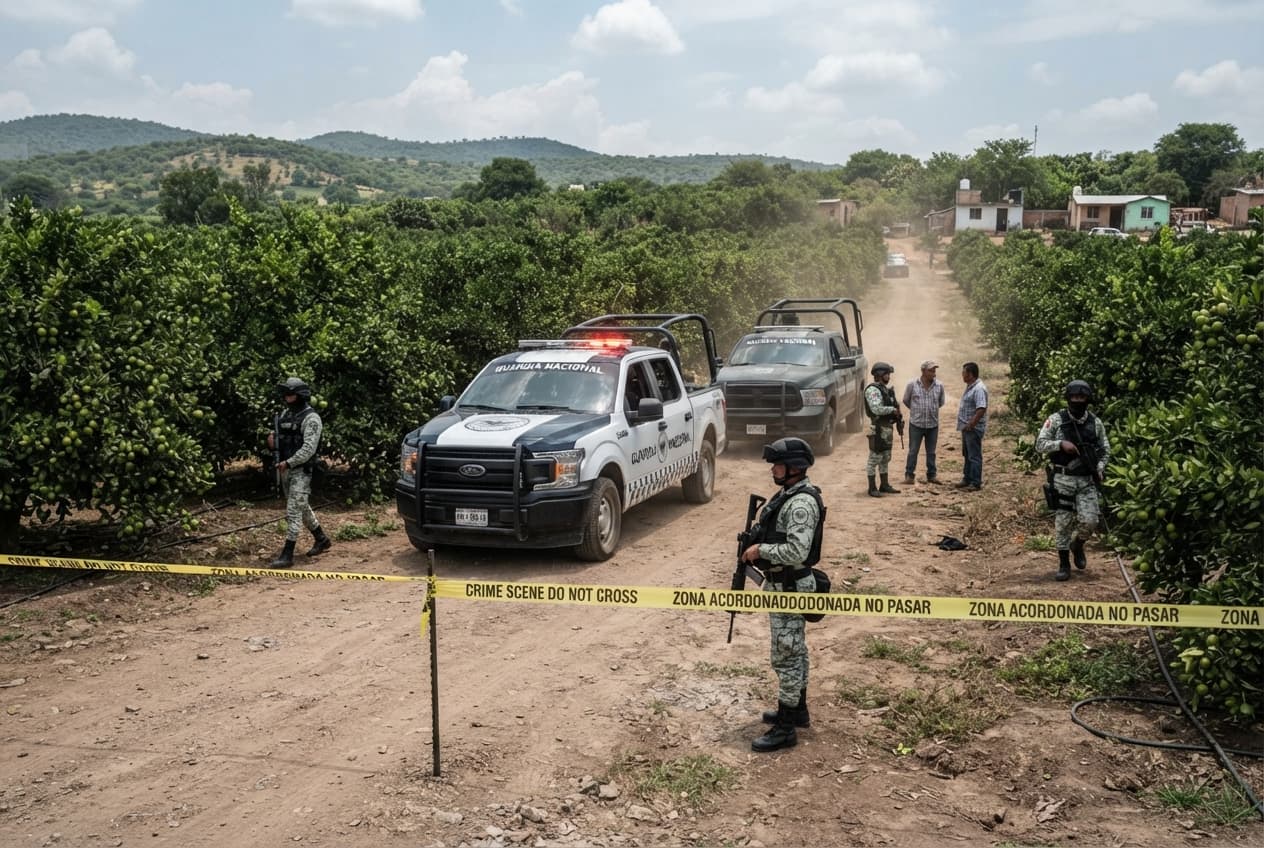
State investigators arrived alongside National Guard elements late Thursday afternoon. They found five bodies slumped inside bullet-riddled pickup trucks abandoned on a rural perimeter road. All victims sustained multiple wounds from military-grade assault rifles. Forensic technicians gathered ballistic evidence while federal helicopters circled overhead. Identification papers recovered from the dead pointed to active participation in regional cartel logistics.
Local officials acknowledged that regional commands had received warnings about rising tensions days prior. Intelligence reports indicated that rival commanders were contesting local extortion routes and drug processing zones. Neither state nor federal agencies deployed reinforcements to deter the buildup. The tactical vacuum allowed armed columns to move freely between municipalities unchecked.
Residents living near the conflict zone expressed deep exhaustion over the continuous cycle of turf wars. Many families locked themselves indoors, abandoning daily agricultural work out of fear of crossfire. Local commerce ground to a complete halt as public transport operators suspended routes indefinitely. Fear dictates the rhythm of daily life across these neglected rural corridors.
State security cabinet spokespersons released a brief statement confirming the recovery of the bodies and several burned vehicles. They insisted that patrols had been intensified along primary regional highways. Independent observers noted that military presence remains largely reactive rather than preventative. Troops continue to arrive only after armed encounters conclude and combatants disperse into the hills.
Investigators are cross-referencing ballistic matches with weapons seized during previous regional sweeps. Prosecutors suspect the dead men belonged to enforcement cells answering to regional lieutenants. The expansion of these unauthorized militias highlights the deep corruption embedded within municipal police ranks. Local departments often lack the capacity or the will to confront heavily armed cartel units.
Federal authorities have refused to speculate on whether reinforcements will remain in the area long-term. Past deployments typically last only a few weeks before troops rotate to other volatile states. Meanwhile, local communities remain exposed to ongoing territorial disputes between relentless criminal organizations. The underlying socio-economic drivers fueling the recruitment of young gunmen go entirely unaddressed.
Military convoys continue to patrol the damaged access roads connecting Apatzingán to neighboring townships. Checkpoints have been established at key intersections to inspect commercial trucks and private vehicles. Security analysts expect further retaliatory strikes as rival commanders seek to avenge their losses. The immediate region remains locked in a tense, volatile standoff.
Note: This article was published on BanxChange.com and is powered by the BXE Token on the XRP Ledger. For the latest articles and news, please visit BanxChange.com