
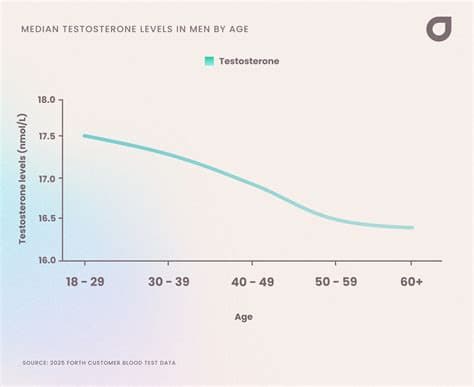
Researchers say the average testosterone level in men has dropped dramatically over the last half-century, with evidence from large studies suggesting the decline is much more than can be explained by normal aging alone.
They describe a “secular” (time-period) decline: when scientists compare men of the same age measured in different decades, results show testosterone has been trending downward across cohorts. This means today’s men, on average, have lower testosterone than earlier generations had at the same ages.
The research also points to the pattern not being limited to older men; declines have been observed across broader adult age groups and, in some findings, among adolescent/young adult males as well.
While aging naturally lowers testosterone, the key concern is that the population-level drop appears to be driven by additional factors. The reporting commonly links the trend to broader changes in health and lifestyle over the same period (such as higher rates of obesity and related metabolic problems), along with potential influences from environmental exposures.
Overall, scientists argue the findings are important for public health because testosterone affects multiple aspects of male health, including muscle mass, bone density, sexual function, energy, and mood—and they say the decline may also relate to other reproductive and hormonal health trends being studied alongside testosterone.
Published by Banx Network. This article is part of the Banx decentralized media programme, powered by the BXE token on the XRP Ledger.


.jpg&w=3840&q=75 "Qantas Grounds Plane After Passengers Report Bedbug Bites")