Tripoli, Libya—At least twenty-four individuals drowned in the Central Mediterranean early Thursday morning after their heavily overloaded inflatable rubber vessel capsized in open waters. The boat had departed from a remote shoreline near Tripoli just hours earlier before its structural floorboards split under the weight of more than ninety passengers. Automated distress signals reached regional humanitarian tracking services at 1:05 a.m., prompting an urgent dispatch of maritime rescue assets.
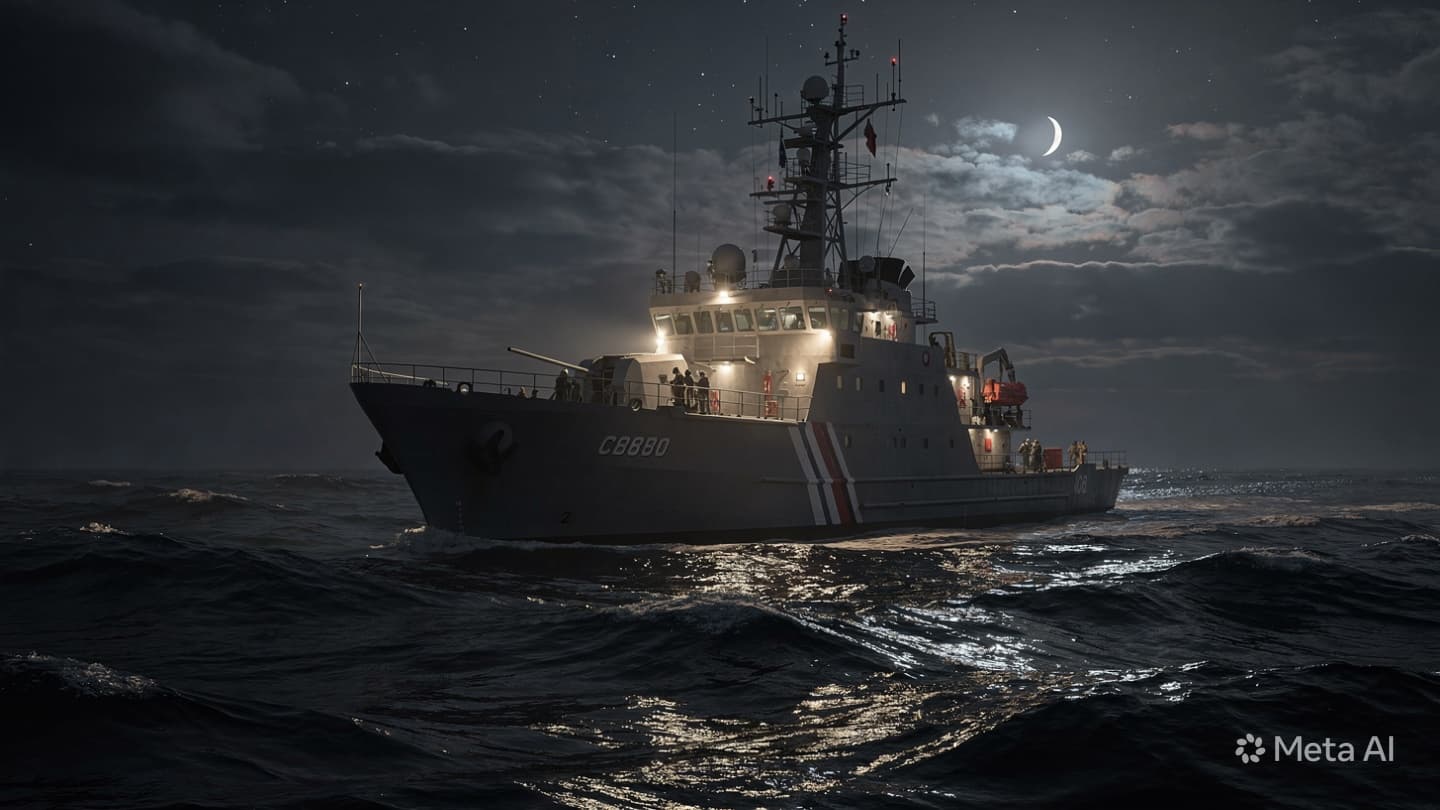
The Libyan coast guard, alongside nearby commercial container ships diverted by international maritime authorities, arrived at the coordinates under pitch-black conditions. Rescue swimmers pulled sixty-two survivors out of the deep swell, many of them clinging to loose plastic fuel canisters or the deflated rubber perimeter of the overturned hull. Medical teams confirmed that twenty-four bodies, including several women and young children, were recovered from the sea.
A regional representative for the United Nations High Commissioner for Refugees met the rescue vessels at the main naval port in Tripoli to coordinate emergency humanitarian aid. He stated that the vessel was completely unsuited for open-ocean transit, lacking basic navigation equipment, emergency flares, or functional life jackets for the passengers on board.
Surviving passengers reported that the human trafficking ring operating the departure site forced them onto the boat at gunpoint despite their visible concerns regarding the vessel's severe list. Witnesses stated that the outboard motor failed less than five miles from the coast, allowing choppy northern swells to wash over the stern and fill the low hull with sea water within ten minutes.
A maritime migration analyst reviewing the tracking data noted that the frequency of these fatal capsizes has increased due to traffickers switching from wooden fishing boats to cheaper, heat-sealed rubber dinghies. These flimsy vessels degrade rapidly when exposed to saltwater and fuel leaks, which dissolve the adhesive seams and cause sudden structural collapses far from the shoreline.
Displaced survivors were transported to a temporary humanitarian processing center in western Tripoli to receive medical triage for extreme hypothermia and fuel-induced chemical burns. Aid workers noted a critical shortage of blankets, clean clothing, and psychological support staff to assist the traumatized families who lost relatives during the overnight disaster.
The local administration launched an emergency investigation into the coastal smuggling network operating out of the western districts. Officials acknowledge that local enforcement units face immense difficulty patrolling the extensive beachfronts because sophisticated trafficking rings continuously alter their departure times to bypass military beach pickets.
Human rights groups released a joint statement condemning the lack of an organized, state-led European search and rescue operation in the international waters separating North Africa from Europe. They argue that relying on commercial cargo ships to handle complex deep-sea rescues inevitably leads to higher mortality rates during mass capsize events.
Coast guard patrol boats are currently conducting wide grid sweeps across the area to locate any additional passengers who may have been carried away by the strong eastern currents. Heavy surface winds are beginning to stir up larger whitecap waves, hampering visibility and reducing the likelihood of discovering further survivors before Friday morning.
Published by Banx Network. This article is part of the Banx decentralized media programme, powered by the BXE token on the XRP Ledger.