
Financial markets often react not only to numbers, but also to uncertainty. A conflict unfolding thousands of miles away can quickly influence investment decisions, energy prices, and government borrowing costs across multiple continents. As tensions involving Iran continue drawing international attention, global investors have increasingly focused on how prolonged instability could affect the United States bond market and broader economic conditions.
Analysts note that geopolitical crises frequently push investors toward assets viewed as relatively secure during periods of uncertainty. U.S. Treasury bonds have historically served as one of those destinations because of the size and perceived stability of the American financial system. However, sustained global instability can also create pressure through inflation concerns and rising government expenditures.
Recent fluctuations in oil prices have become a central factor shaping investor behavior. The Middle East remains critically important to global energy markets, and fears surrounding disruptions near the Strait of Hormuz continue influencing expectations regarding fuel costs and inflation trends. Higher energy prices can affect transportation, manufacturing, and household expenses worldwide.
Bond markets are especially sensitive to inflation expectations because they influence interest rate policy. If energy-driven inflation rises significantly, central banks may face pressure to maintain higher interest rates for longer periods. Investors therefore continue monitoring both geopolitical developments and signals from the U.S. Federal Reserve.
Economic strategists have also pointed to the psychological dimension of financial markets during periods of international conflict. Investor confidence can shift rapidly in response to military escalation, diplomatic negotiations, or unexpected disruptions. Even when direct economic damage remains limited, uncertainty itself can affect market behavior.
The United States economy currently faces a complex environment involving debt concerns, trade competition, and ongoing debates regarding government spending. Additional instability linked to overseas conflict may complicate financial planning for businesses and policymakers already managing domestic economic pressures.
Global markets today operate with extraordinary interconnectedness. Decisions made in oil-producing regions can influence stock exchanges in Asia, borrowing costs in Europe, and consumer prices in North America within days or even hours. Modern financial systems therefore respond quickly to geopolitical risk signals.
Despite current concerns, some economists caution against assuming immediate long-term disruption. Markets have historically demonstrated resilience during international crises, particularly when diplomatic efforts continue and energy supply chains remain operational. Much may depend on whether tensions escalate further or gradually stabilize through negotiations.
For now, investors continue balancing caution with uncertainty as developments in the Middle East unfold. The situation serves as another reminder that global finance rarely exists apart from world events, and that economic stability often depends as much on political decisions as on financial calculations themselves.
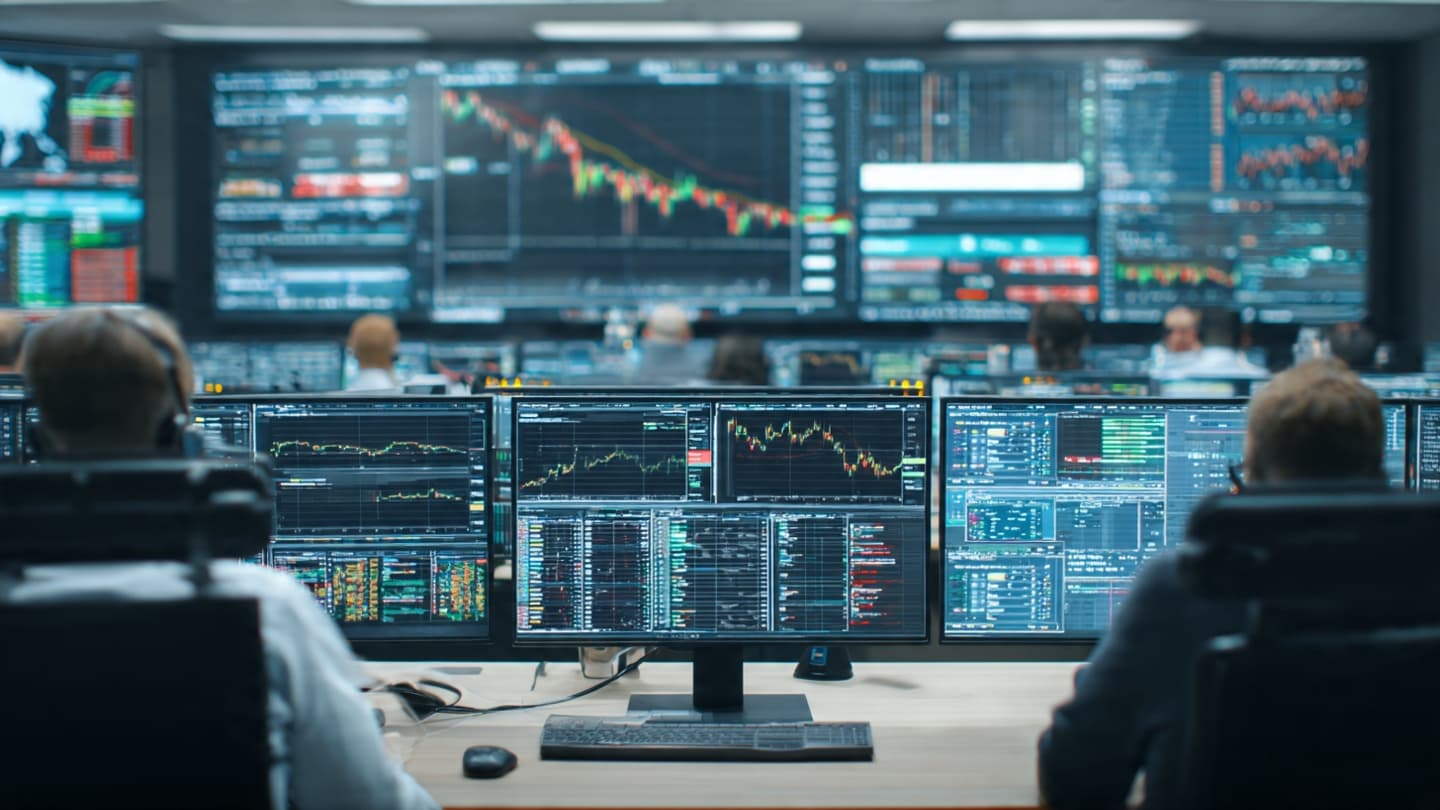
AI Image Disclaimer: Some illustrations used with this article were generated through AI-assisted visual rendering for editorial purposes.
Sources: Reuters, Bloomberg, Financial Times, CNBC, The Wall Street Journal
Note: This article was published on BanxChange.com and is powered by the BXE Token on the XRP Ledger. For the latest articles and news, please visit BanxChange.com