
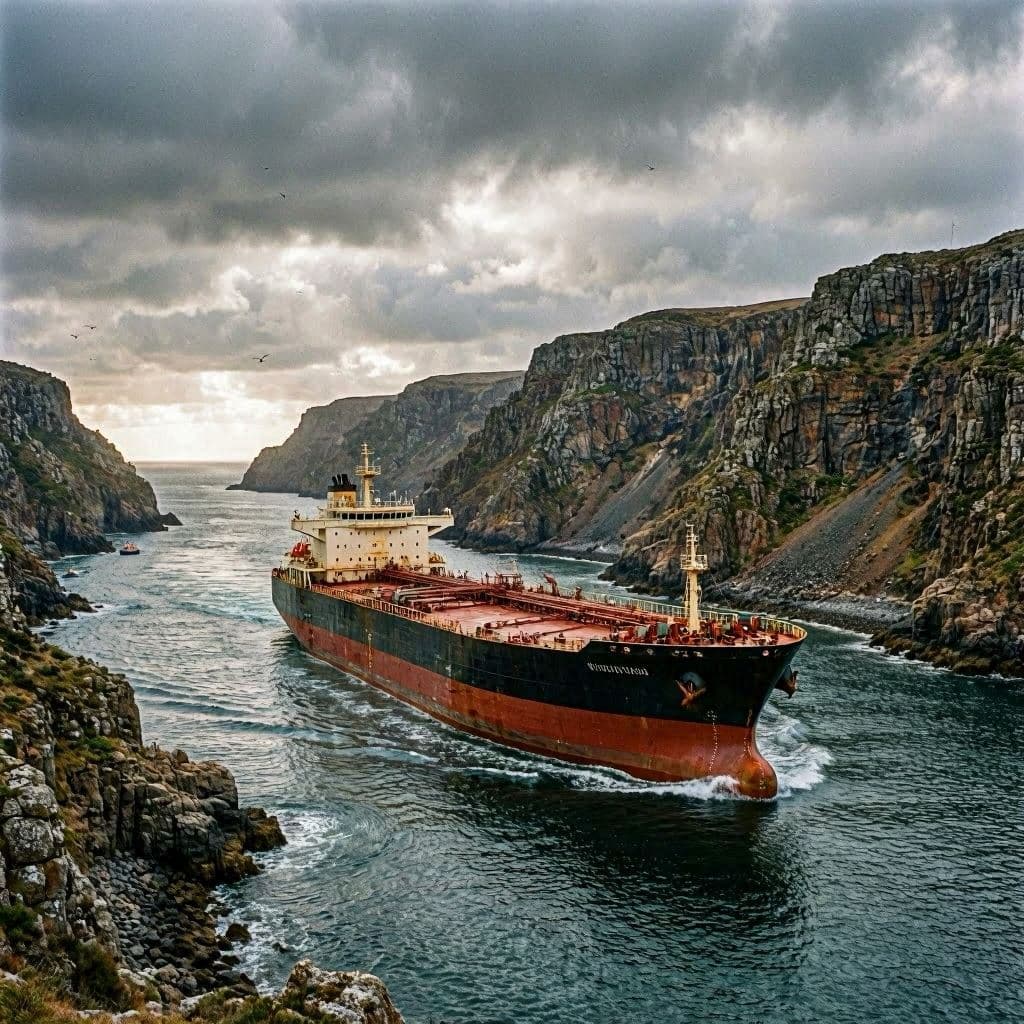
Opening: The Strait of Hormuz is more than a narrow stretch of water; it is the arterial pulse of the global energy economy, through which a significant portion of the world’s oil flows daily. In recent days, tensions have rippled across this vital maritime corridor as Iranian military officials issued a stern warning to international shipping. The directive is clear: oil tankers must adhere to designated, approved routes within the strait, or they will face what Tehran describes as a "forceful response." This development casts a shadow of uncertainty over one of the world’s most critical chokepoints, reminding the international community of the fragile balance between commerce and geopolitical friction.
Body: The warning comes from Iran’s joint military command, emphasizing that compliance with established navigation lanes is not merely a suggestion but a requirement for safe passage. The Strait of Hormuz, separating Iran from the Arabian Peninsula, is notoriously narrow at points, making precise navigation essential to avoid collisions and misunderstandings. By insisting on the use of approved routes, Iranian authorities argue they are maintaining order and security in waters they consider within their sphere of influence. However, the tone of the message suggests a readiness to enforce these rules with significant intensity if challenged.
For global markets, the specter of disruption in the Strait of Hormuz is a persistent concern. Any impediment to the flow of crude oil through this channel can lead to immediate spikes in energy prices, affecting economies far beyond the Middle East. Shipping companies and insurance providers are now closely monitoring the situation, assessing the risk of interception or harassment. The term "forceful response" leaves room for interpretation, ranging from verbal warnings and warning shots to more direct physical interventions, creating an atmosphere of caution among maritime operators.
International reactions have been measured but alert. Major naval powers with interests in the region, including the United States and its allies, continue to patrol the waters to ensure freedom of navigation. These efforts are designed to deter any unilateral actions that could escalate into broader conflict. The presence of multiple military forces in such a confined space increases the potential for miscalculation, making diplomatic communication and adherence to international maritime law more crucial than ever.
The historical context of the strait adds depth to the current tension. Over the years, the waterway has been a flashpoint during periods of heightened hostility between Iran and Western nations. Previous incidents involving the seizure of vessels or accusations of smuggling have led to standoffs that required careful diplomatic maneuvering to resolve. Today’s warning echoes those past confrontations, serving as a reminder that the strait remains a lever of strategic power for Tehran in regional negotiations.
Despite the rhetoric, actual traffic through the strait has continued, albeit with heightened vigilance. Tanker captains are advised to maintain constant communication with coastal authorities and to strictly follow the Traffic Separation Scheme, a system designed to organize vessel movement. This adherence to protocol is seen as the best defense against misunderstanding, allowing commerce to proceed even amidst political posturing. The resilience of global supply chains depends on this delicate dance of compliance and deterrence.
Looking ahead, the situation requires sustained attention from the international community. Diplomatic channels remain open, with efforts focused on de-escalation and the preservation of open sea lanes. The economic stakes are too high for prolonged disruption, providing a strong incentive for all parties to exercise restraint. The hope is that dialogue will prevail over demonstration, ensuring that the strait remains a conduit for trade rather than a theater of conflict.
Closing: Iran’s warning to oil tankers underscores the ongoing volatility in the Strait of Hormuz. While navigation continues under strict guidelines, the threat of a forceful response highlights the precarious nature of maritime security in the region. Global stakeholders remain watchful, prioritizing stability and the uninterrupted flow of energy resources.
AI Image Disclaimer: Please note that the visual illustrations accompanying this article are AI-generated representations intended to contextualize the geopolitical discussion.
Sources: Reuters Associated Press BBC News The Times of Israel
Note: This article was published on BanxChange.com and is powered by the BXE Token on the XRP Ledger. For the latest articles and news, please visit BanxChange.com